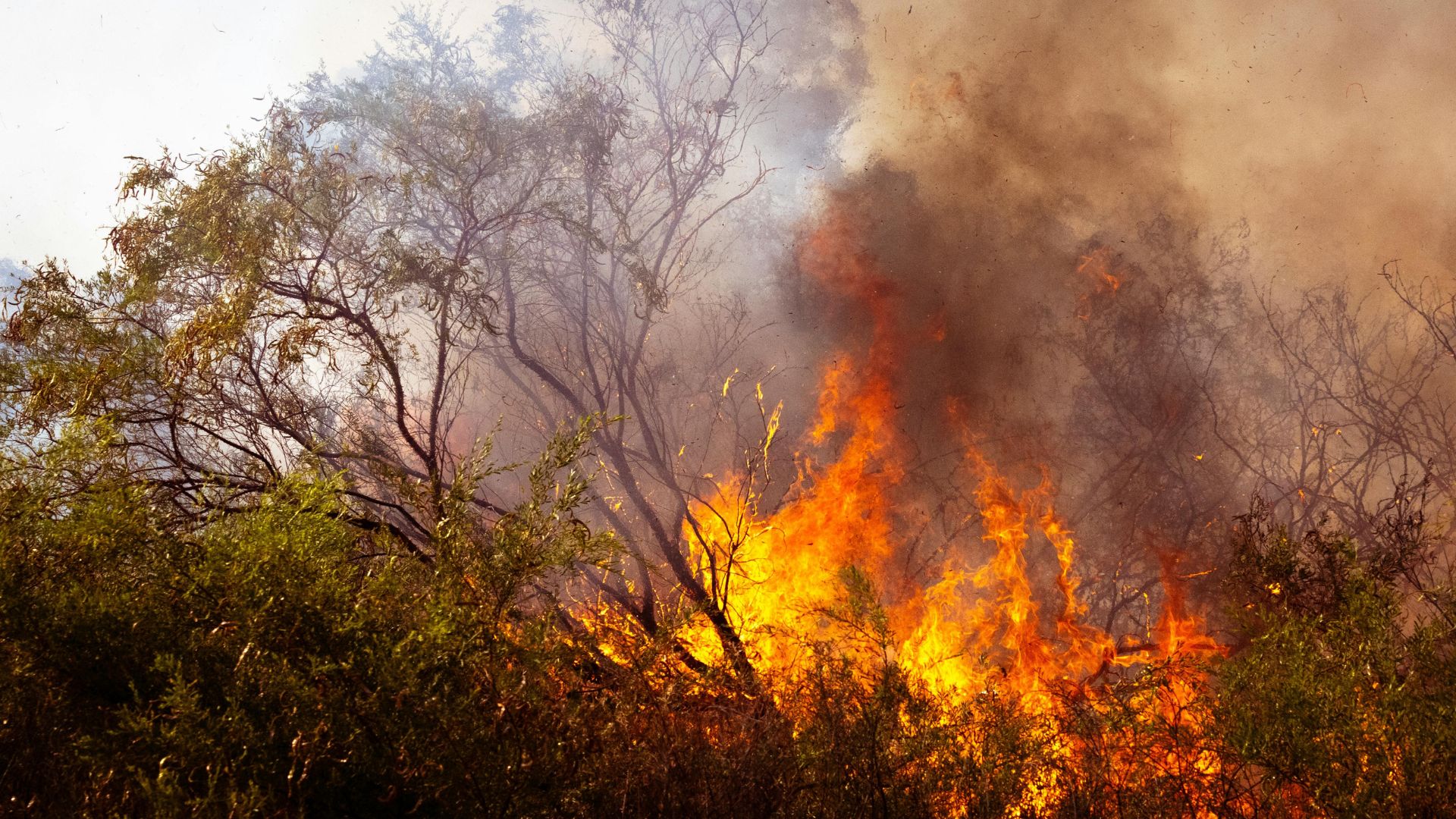
In 2025, Africa faces a paradox of injustice: it contributes only 2–3% of global greenhouse gas emissions, yet suffers the greatest climate impacts. From droughts and floods to heatwaves and cyclones, the continent is absorbing the shockwaves of a global crisis it did little to cause. These climate shocks are projected to cost Africa 2–5% of GDP annually, threatening efforts to lift the continent’s 118 million extremely poor people out of vulnerability by 2030.
Despite this daunting reality, Africa is not standing still. Across the continent, communities, governments, and grassroots organizations are building resilient systems and innovative solutions. This article dives deep into the regional climate impacts, adaptation strategies, and community-led responses that define Africa’s climate narrative in 2025. Through this lens, readers will discover the scope of the crisis, understand how Africa is responding, and connect with voices leading the way.
🌡️ Regional Impacts: A Continent Under Siege
Africa’s climate vulnerabilities vary by region but share one theme: disruption of lives and livelihoods. Here’s how climate change is playing out across the continent’s six eco-regions:
1. North Africa: Drought and Food Insecurity
- Impact: Cereal production dropped 10% below average in 2023; countries like Tunisia and Sudan suffer from water scarcity and desertification.
- Consequence: Food imports are projected to triple to $110 billion by 2025.
- Vulnerable Groups: Rural farmers and women in agriculture.
2. West Africa: Floods and Health Crises
- Impact: 2024 floods in Nigeria and Ghana displaced thousands and destroyed 9,800 hectares of farmland in Niger.
- Consequence: A rise in waterborne diseases like diarrhea, which already kills 760,000 children under five each year.
- Vulnerable Groups: Urban slum dwellers and children.
3. Central Africa: Deforestation and Ecosystem Collapse
- Impact: Congo Basin forests are under threat, reducing their carbon sink capacity.
- Consequence: Water stress for 250 million people and biodiversity loss.
- Vulnerable Groups: Indigenous forest communities.
4. East Africa: Drought and Climate Displacement
- Impact: Prolonged droughts in Ethiopia, Kenya, and Uganda; Sudan’s grain yield fell by 25–50% in 2023.
- Consequence: Threat of famine and increased climate-induced migration.
- Vulnerable Groups: Pastoralists and rural youth.
5. Southern Africa: Cyclones and Infrastructure Collapse
- Impact: Cyclone Idai (2019) and others destroyed over 90% of Beira, Mozambique.
- Consequence: $8.5 billion in damages in 2022 alone.
- Vulnerable Groups: Outdoor laborers and informal settlement residents.
6. Indian Ocean Island States: Sea Level Rise
- Impact: Sea levels are rising by 3.7 mm/year, threatening Seychelles and Mauritius.
- Consequence: Coastal erosion and disruption of fisheries and tourism.
- Vulnerable Groups: Fishing families and low-income islanders.
🧠 Discover: From droughts in North Africa to floods in the West and cyclones in the South, the impacts are widespread.
🧐 Understand: Climate change amplifies poverty, migration, hunger, and disease.
❤️ Connect: This is a crisis rooted in inequality, and the human cost is mounting.
🛠️ Adaptation Strategies for 2025: Building Resilience
Africa needs $30–50 billion annually through 2030 for climate adaptation. Here’s how it’s mobilizing action:
1. 🌧️ Early Warning Systems (EWS)
- Strategy: The Early Warnings For All initiative aims for full coverage by 2027. Currently, only 40% of Africans have access.
- Impact: In Kenya, EWS reduced flood deaths by 30% in 2024.
- Example: In Ethiopia, climate-smart alerts boosted crop yields by 15%.
2. 🌾 Climate-Smart Agriculture
- Strategy: Focused on drought-resistant crops, agroforestry, and solar-powered irrigation.
- Impact: Ghanaian women farmers using biofertilizers saw maize yields rise by 20%.
- Example: Tanzania’s solar irrigation systems support smallholder resilience at $4,680/kW.
3. 🏗️ Resilient Infrastructure
- Strategy: Emphasis on climate-proof roads, cyclone-resistant schools, and health system upgrades.
- Impact: Mozambique’s rebuilt schools now protect 5,000 students.
- Example: South Africa integrates climate data in health systems, reducing disease outbreaks by 10%.
4. 👩🏽🌾 Gender-Inclusive Policies
- Strategy: Gender-responsive frameworks in Kenya, Uganda, and Tanzania promote women’s leadership in adaptation.
- Impact: In Uganda, women-led cooperatives increased household incomes by 25% in 2024.
- Example: South Africa’s food gardening programs benefit 1,000 households.
5. 💰 Financing and International Support
- Strategy: Funds like the AfDB’s $13B Africa Development Fund and IMF’s $40B Resilience Trust offer critical financing.
- Impact: Seychelles’ $15 million blue bond helped fund coastal protection and debt relief.
- Challenge: Africa receives only $30 billion of the $100 billion promised in global climate finance annually.
🧠 Discover: Africa is deploying early warnings, smart agriculture, and inclusive policies.
🧐 Understand: Underfunding and uneven implementation remain barriers.
❤️ Connect: Local action is saving lives—but needs global backing.
🌱 Community Case Studies: Resilience From the Ground Up
🇰🇪 Ungwana Bay, Kenya – Coastal Resilience Through Mangroves
- Action: Community-led mangrove restoration, blending indigenous knowledge with environmental science.
- Result: 15% increase in mangrove cover and 10% rise in fish stocks.
- Quote: “Mangroves are our shield. We protect them, and they protect us.” – Fatuma Ali, fisherwoman
🇪🇹 Tigray, Ethiopia – Climate-Smart Farming After Conflict
- Action: Farmers use drought-resistant sorghum seeds and solar-powered pumps.
- Result: 20% yield increase, 5% drop in malnutrition.
- Quote: “These seeds survive drought. Now we feed our families and plan for tomorrow.” – Aster Gebremedhin, farmer
🇿🇦 Johannesburg, South Africa – Urban Heatwave Response
- Action: NGOs distribute cooling kits and build green roofs on informal housing.
- Result: 12% drop in heat-related hospital visits; 300 youth jobs created.
- Quote: “Cooling kits save lives. Our youth are leading the fight against heat.” – Thandiwe Mokoena, nurse
🧠 Discover: Real people are leading climate responses across Africa.
🧐 Understand: Local knowledge + targeted investment = real resilience.
❤️ Connect: These voices represent hope, not helplessness.
🌐 Challenges and Opportunities in 2025
🔺 Challenges
- Funding Shortfall: Africa receives just 30% of needed climate finance.
- Adaptation Deficit: Data shortages and weak infrastructure slow progress.
- Gender Gaps: Many policies lack funding for women-specific interventions.
- Health System Strain: Projected 250,000 additional climate deaths by 2050.
✅ Opportunities
- Policy Momentum: The AU’s 2025 reparations theme centers justice and resilience.
- Private Sector Potential: Pension funds now cover 66% of mitigation needs.
- Youth Engagement: Biofertilizer startups and clean energy jobs offer scalable models.
- Global Support: New funds from the IMF, AfDB, and Green Climate Fund signal commitment.
🗣️ Voices from the Frontlines
H.E. Josefa Sacko, AU Commissioner for Rural Economy and Agriculture:
“Africa’s disproportionate burden demands urgent investment in early warnings and sustainable agriculture.”
Fatuma Ali, Fisherwoman in Kenya:
“Climate change took our fish, but mangroves brought them back. Women are leading this change.”
Dr. Christopher Trisos, IPCC Climate Scientist:
“Indigenous knowledge and community-led adaptation are Africa’s greatest assets. Scaling them requires finance and political will.”
❓ FAQs: Climate Change in Africa in 2025
Why is Africa so vulnerable to climate change?
Due to low emissions but high exposure—fragile economies, agriculture dependence, and weak infrastructure.
What are Africa’s key adaptation tools?
Early warning systems, climate-smart farming, inclusive policies, and resilient public services.
How are communities responding?
Through local innovation—restoring mangroves, building green roofs, adopting drought-resistant seeds.
What’s urgently needed now?
Finance ($30–50B/year), data infrastructure, and gender-smart policy implementation.
🔚 Conclusion: A Resilient Future for Africa
In 2025, Africa’s climate crisis is both a tragedy and a testament to human resilience. Despite facing the world’s most disproportionate climate burden, African nations and communities are innovating to survive—and thrive.
From the mangroves of Kenya to urban rooftops in Johannesburg, adaptation is already happening. But without massive global investment, the gap between climate ambition and lived reality will grow.
🌍 You can help:
- Support climate justice campaigns.
- Back African-led green initiatives.
- Share community voices.
As Dr. Trisos reminds us, “Africa’s strength lies in its people.” Let’s ensure the world listens.
📚 Sources
- World Meteorological Organization (WMO): State of the Climate in Africa 2023
- IPCC: Africa Regional Chapter, 2022
- African Development Bank: Climate Finance Reports
- UNEP: Coastal Ecosystem Reports
- WHO & ScienceDirect: Climate and Health in Africa
- CGIAR: Gender and Climate Frameworks in East Africa
- Brookings: Foresight Africa 2024
- IMF: Resilience and Sustainability Trust
- Community Interviews, X Posts, and Field Reports (April 2025)
This story was produced by iniAfrica’s climate desk. For more data-driven features on African resilience, innovation, and justice, follow @iniafrica on X, Instagram, and LinkedIn.