Tech
The Powerful Evolution of Data Centres: 13 Things You Must Know in 2025
Explore the complete journey of data centers, from ENIAC to hyperscale and green edge computing. Learn how modern data centers power AI and the cloud efficiently and securely.


Introduction to Data Centres
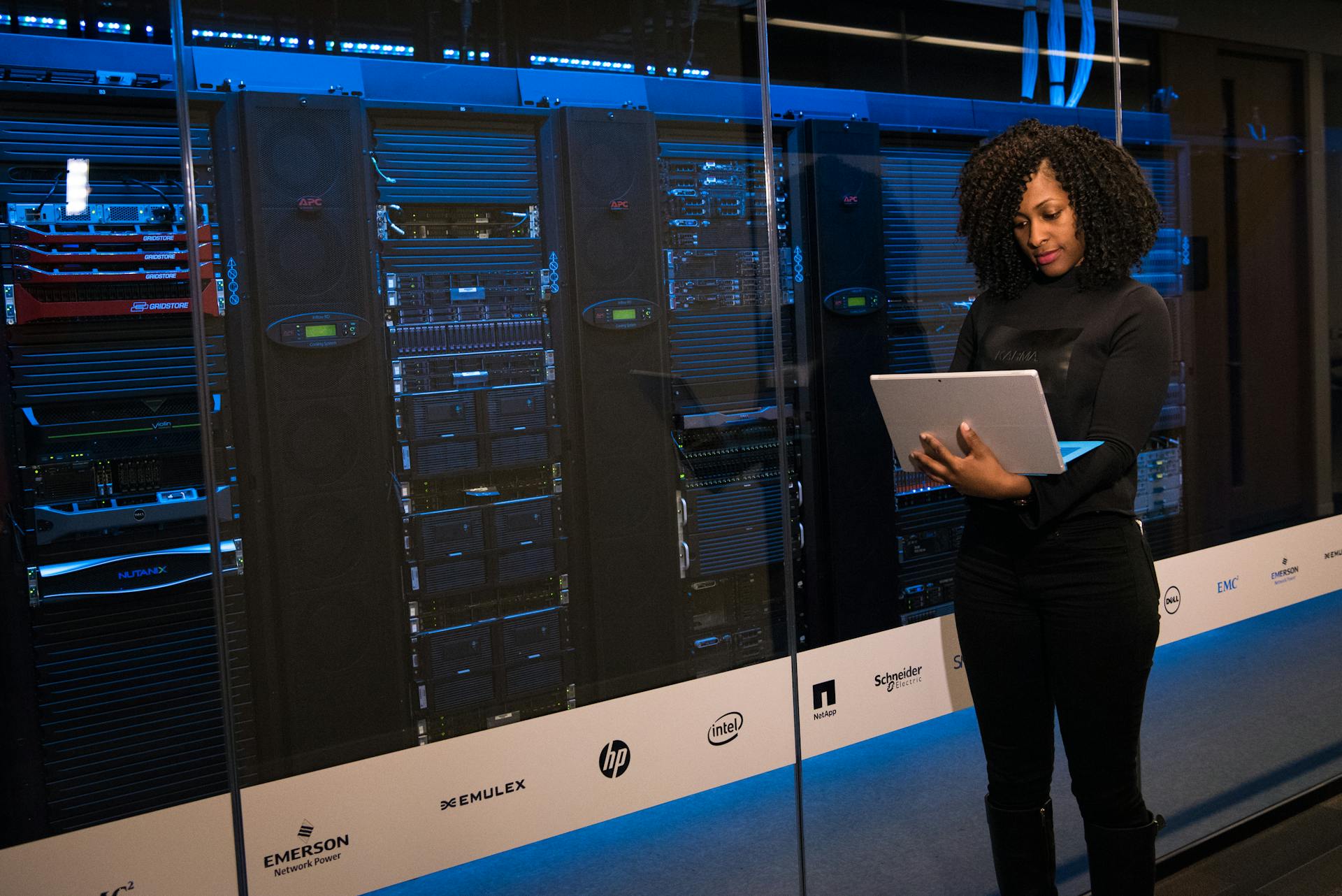
Think of a data centre as a giant, secure building packed with powerful computers that work 24/7. These “engine rooms” of the internet keep everything from emails and social media to Netflix and online banking running smoothly. Every time you back up photos to the cloud or send a WhatsApp message, a data centre is quietly doing the heavy lifting.
While data centres sound technical, they have evolved to be smarter, greener, and more efficient. This article explains the essentials of data centres, their history, how they work, and why they matter—using simple, easy-to-understand language.

1. What Is a Data Centre? Why They Matter
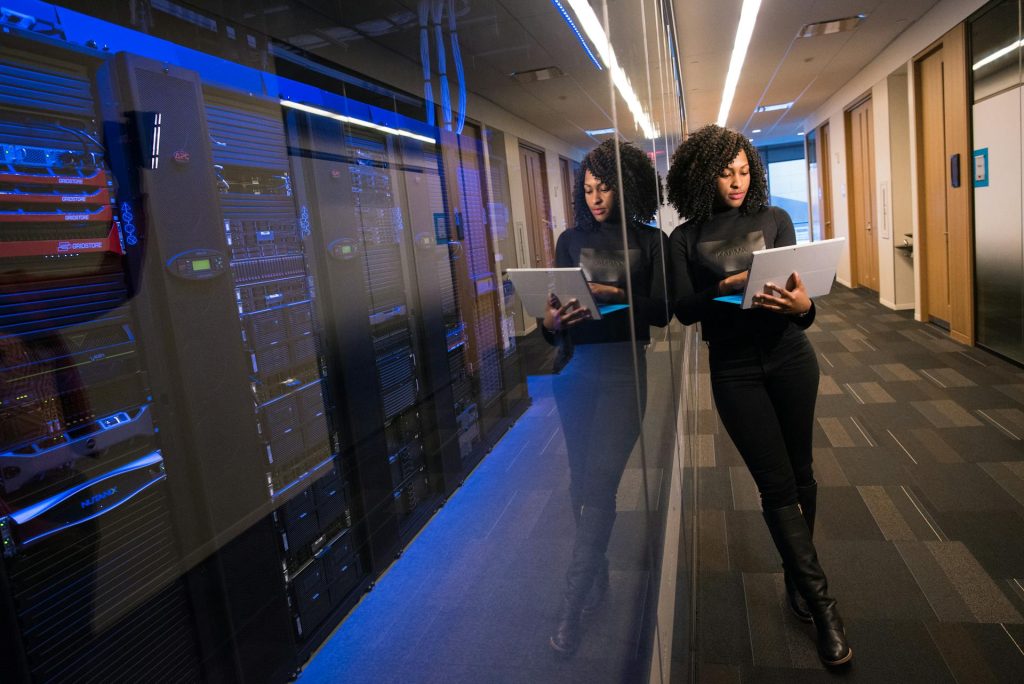
A data centre is a secure building filled with servers—computers designed to process, store, and deliver data. Think of it as a mix of a digital library and a supercomputer that powers modern life. Without data centres, we wouldn’t have cloud storage, online shops, streaming platforms, or even mobile banking.

2. History and Evolution of Data Centres
ENIAC and Early Mainframes
- 1940s: The journey began with ENIAC, a machine that filled an entire room and used enough electricity to power a small village. It was mainly used for military calculations and is often called the first data centre.
Client–Server Revolution
- 1970s–80s: Computers became smaller and cheaper. Companies and banks built server rooms, and local area networks (LANs) connected office computers to central servers.
Dot-Com to Hyperscale
- 1990s: The internet boom led to Internet Data Centres (IDCs) to host websites and e-commerce.
- 2000s: Big names like Google and Amazon created hyperscale data centres—massive facilities built for cloud computing and efficiency. These centres introduced virtualisation, where one physical server can run many “virtual” systems.


3. Modern Types of Data Centres
- Enterprise (On-Premise): Built and owned by a company for its own IT needs.
- Colocation: Businesses rent space and internet access in shared centres (e.g., Equinix or Teraco).
- Hyperscale: Huge facilities by tech giants like Amazon and Microsoft, handling vast amounts of data.
- Edge: Smaller centres close to users, helping services like 5G and self-driving cars run faster.
- Floating and High-Altitude: Experimental designs on ships or balloons for mobile, energy-friendly services.

4. Core Design and Architecture Principles
Site Planning and Layout
- Location matters. Sites are chosen near reliable power, fibre-optic networks, and cooler climates to reduce energy costs.
- Inside, airflow is carefully managed to separate hot and cold zones for better cooling.
Modular and Scalable Designs
- Modern centres use modular “pods” that make it easy to add more servers as demand grows.
Software-Defined Data Centres
- Much of the hardware is now managed by software, which makes scaling and maintenance faster and simpler.

5. Essential Hardware Components
- Servers (Compute): The powerful machines that process data and run applications. Some use GPUs for AI tasks.
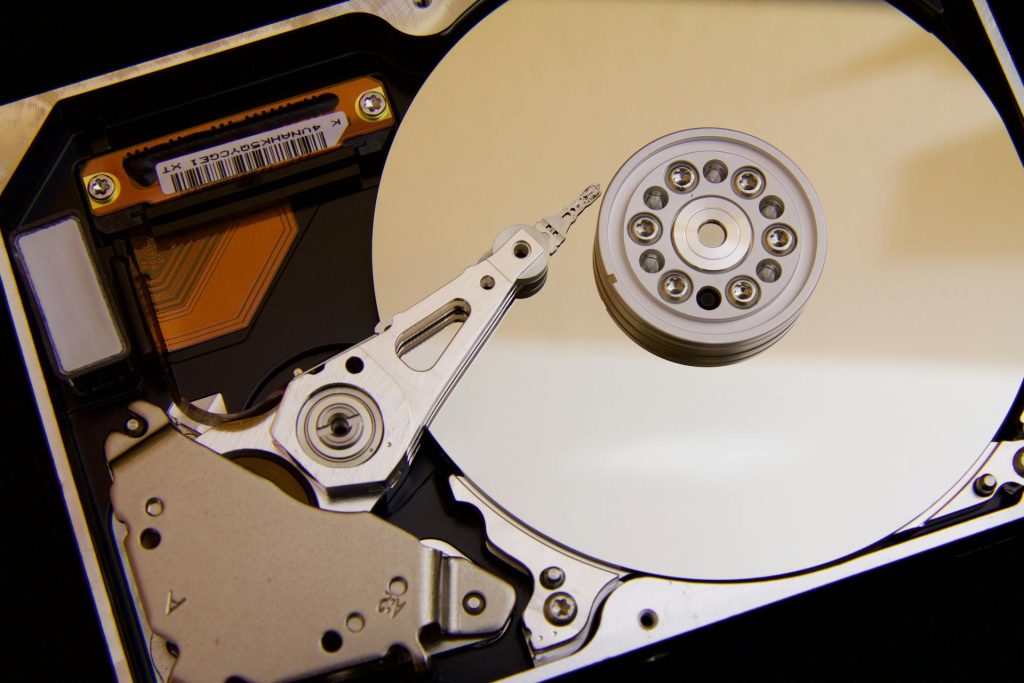
- Storage: Hard drives and SSDs that store information. Cloud storage services like Google Drive are built on this.
- Networking Equipment: Switches, routers, and firewalls that keep data moving.
- Power and Cabling: Complex systems that deliver electricity and connect everything.


6. Software Stack in Data Centres
- Virtualisation: Allows one machine to run many “virtual” servers, saving space and cost.
- SDN and SDS: Software-Defined Networking and Storage give more control and flexibility.
- Orchestration Tools: Platforms like Kubernetes automate app management and scaling.
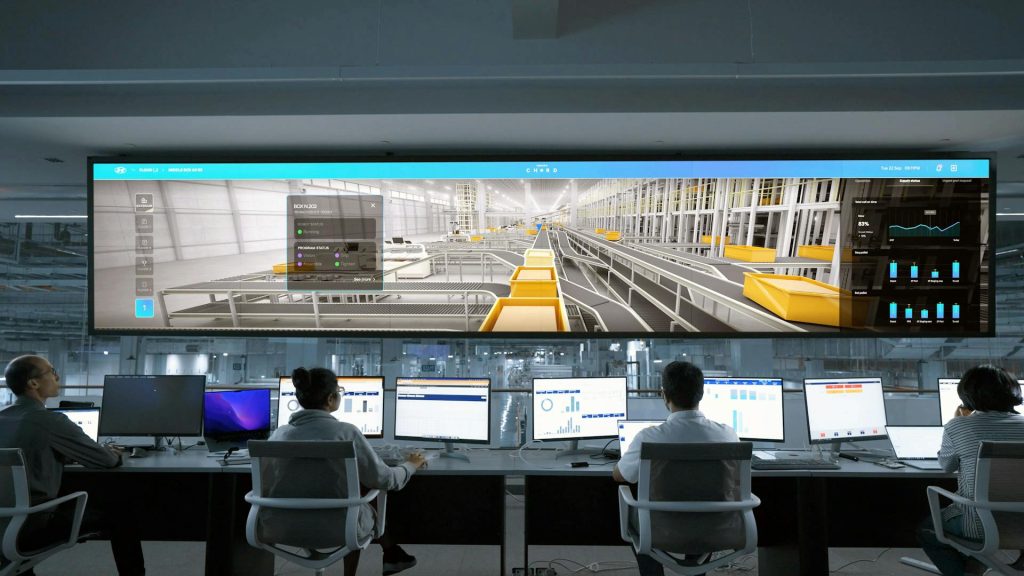
- Monitoring Software: Tracks energy use, performance, and security.
7. Energy Efficiency and Power Systems
Understanding PUE
- PUE (Power Usage Effectiveness) shows how efficiently a centre uses energy. A perfect score of 1.0 means all energy goes directly to computing.
Green Power Sources
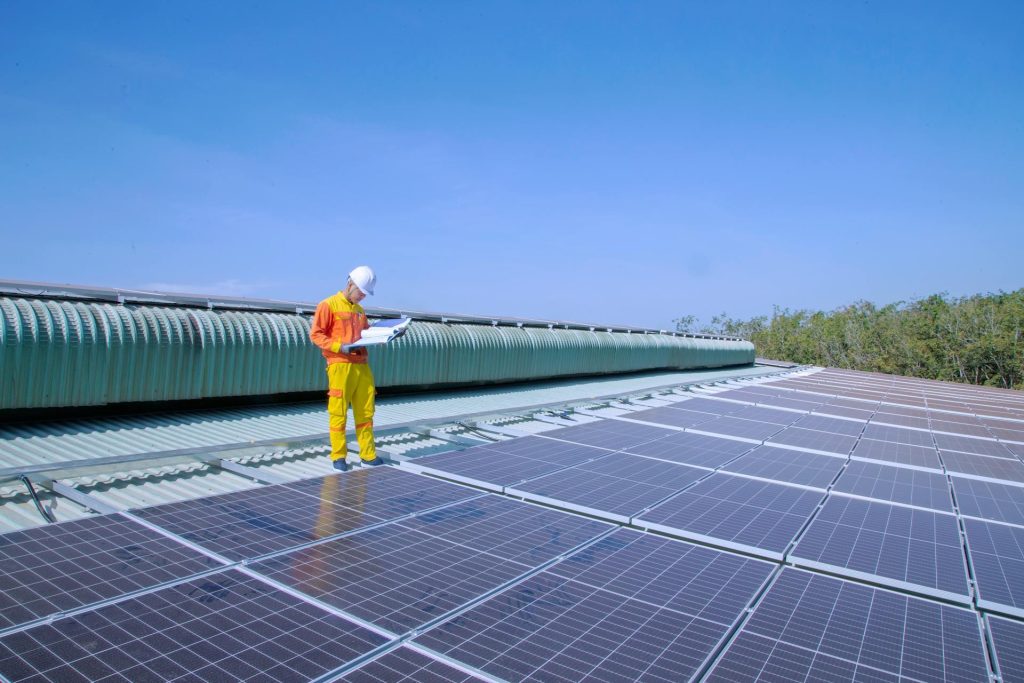
- Many centres use renewable energy like solar, wind, or hydroelectric power.
Backup Systems
- Diesel generators and batteries (UPS) keep everything running during blackouts.
8. Cooling Techniques and Infrastructure
Air vs. Liquid Cooling
- Air Cooling: Uses fans and airflow design to keep equipment cool.
- Liquid Cooling: Uses water or special fluids to cool chips directly.
Seawater and Arctic Innovations
- Some data centres use natural cooling, such as Microsoft’s underwater Project Natick.
9. Advanced Networking Infrastructure
- Spine-Leaf Networks: A design that moves data quickly between thousands of servers.
- Optical Networking: Fibre optics offer super-fast connections.
- SDN (Software-Defined Networking): Lets operators control networks through software rather than hardware.

10. Virtualisation and Software-Defined Data Centres
Virtualisation makes hardware more efficient by sharing resources among many apps. Software-defined centres take it further, controlling compute, storage, and networking through software. Hybrid cloud models combine on-site servers with public cloud providers like AWS.
11. Security in Modern Data Centres
Physical Security
- 24/7 guards, biometric scans, CCTV, and mantraps (two-door entry systems).
Cybersecurity
- Firewalls, encryption, and zero-trust principles ensure only verified users and devices can access data.


12. Emerging Technologies and Future Trends
- AI Superclusters: Centres built for AI, hosting thousands of GPUs.
- Green Initiatives: Heat recycling and carbon-neutral plans.
- Edge and Floating Centres: Smaller, mobile data centres near users.
- Quantum Computing: Future data centres may host quantum machines for complex tasks.

13. Standards and Certifications
- Uptime Institute Tiers I–IV: Rate reliability and uptime.
- ISO 27001: Security standard.
- ISO 50001: Energy management.
- LEED: Environmental building certification.
- Open Compute Project (OCP): Promotes open, efficient hardware designs.

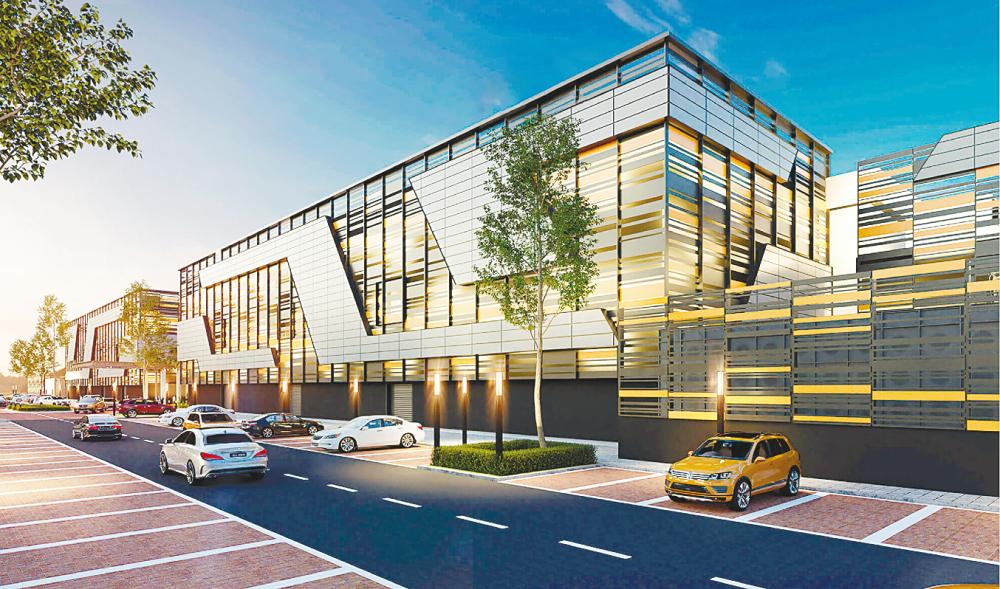

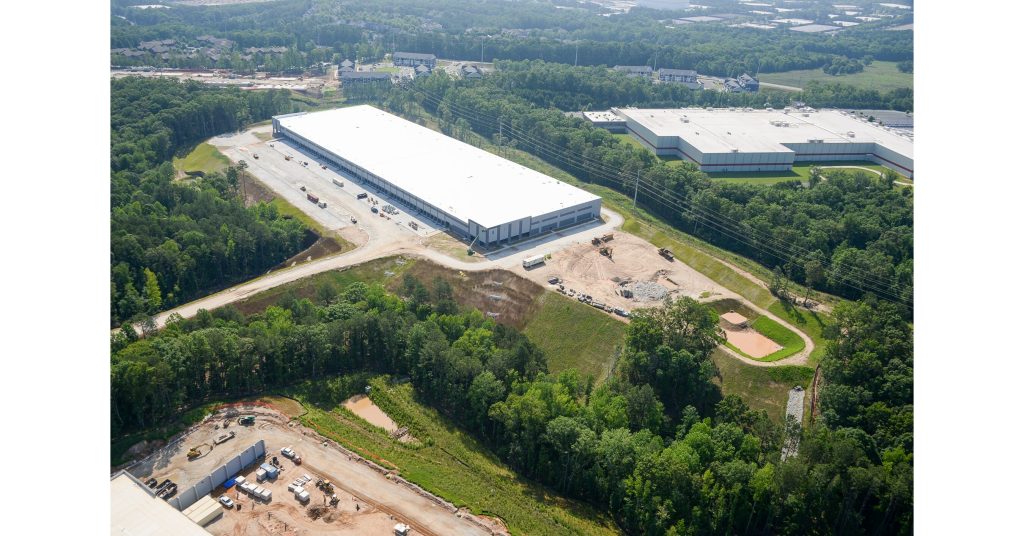

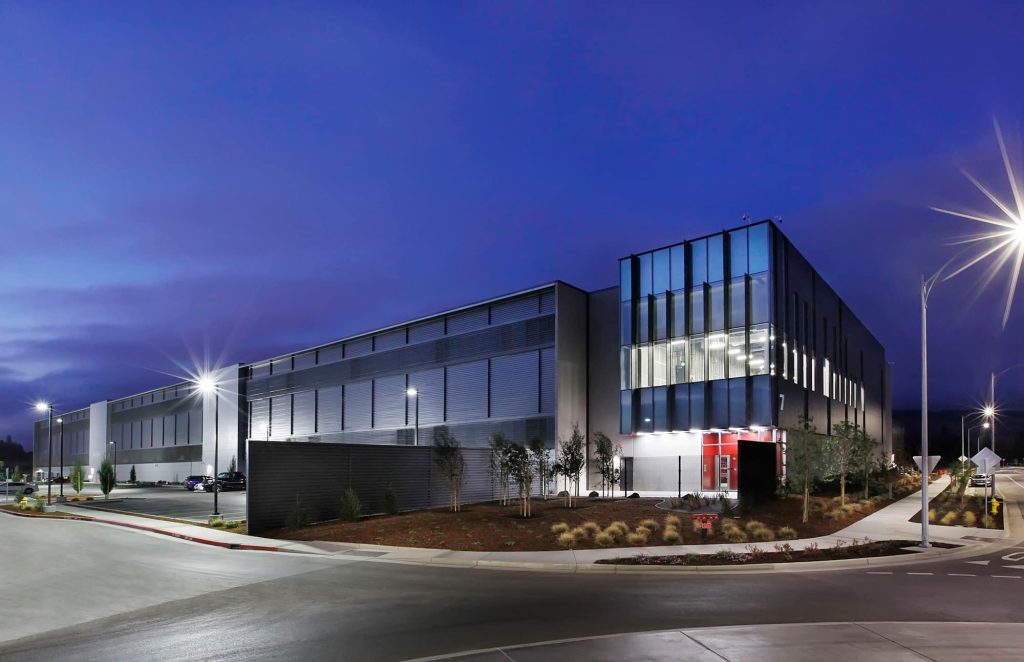

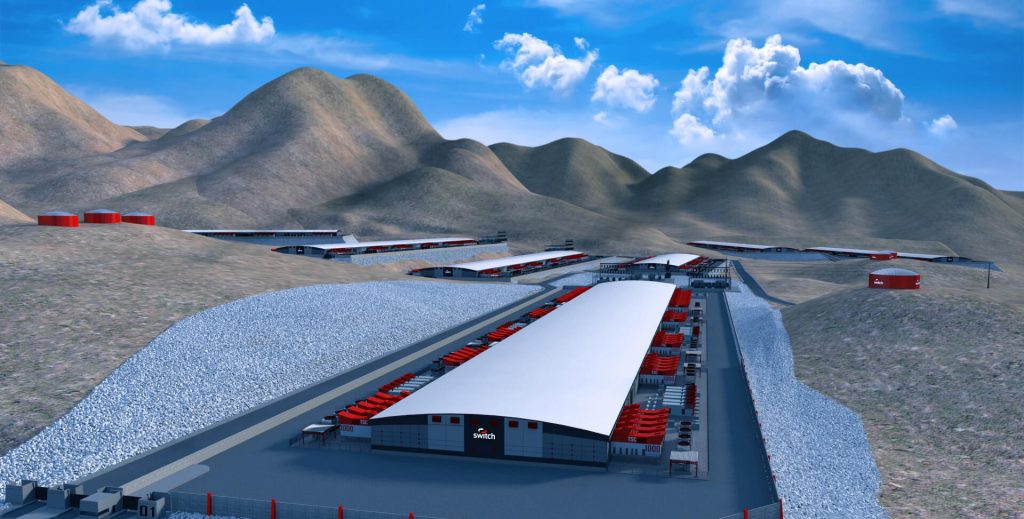
Case Studies of Leading Data Centres
- Switch Citadel (USA): One of the world’s largest centres, powered fully by renewables.
- Equinix: Operates 260+ centres globally with a focus on green technology.
- CoreWeave: Specialises in AI workloads with 250,000 GPUs.
- YTL (Malaysia): Runs on 500 MW of solar power, supporting NVIDIA’s AI needs.
AI and Data Centres
AI needs powerful computers but also helps data centres work smarter. AI tools predict system failures, balance workloads, and cut energy use.
Sustainability in Data Centres
To combat climate change, operators use renewable energy, recycle waste heat, and aim for net-zero carbon emissions by 2030.
Risks and Challenges Ahead
- Geopolitics: Conflicts can disrupt data routes.
- Energy Costs: Rising electricity prices challenge operations.
- Cyber Attacks: Hackers target valuable data.
- Regulations: Different rules in each country add complexity.
The Future Outlook of Data Centres
- Edge Growth: Thousands of micro-centres will appear closer to cities.
- Floating Platforms: Ships and balloons may handle data at sea or in the sky.
- Next-Gen Cooling: Immersion and liquid cooling will become standard.
- AI Integration: Automation will make centres faster and greener.
FAQs About Data Centres
- What is the purpose of a data centre?
It stores and processes digital data for websites, apps, and services. - Which is the most energy-efficient data centre?
Facebook’s Prineville centre in the USA is among the leaders, with very low PUE. - How do data centres stay cool?
Through air, liquid, and natural cooling systems. - What is virtualisation?
It lets multiple virtual systems run on one physical server. - Why are edge data centres important?
They cut delays (latency) by placing data closer to users. - Are data centres secure?
Yes, with tight physical and cyber defences.
Conclusion: Data Centres as the Backbone of the Digital Age
From ENIAC in the 1940s to today’s smart, green hyperscale facilities, data centres have become the foundation of our connected world. They keep our apps, social media, and financial systems running 24/7. As AI, edge computing, and renewable energy continue to grow, data centres will remain at the heart of the digital revolution.
Lovemore Chanengeta