






International Relations
MINISTER LAMOLA ADDRESSES GLOBAL STAKEHOLDERS ON REVITALISING DEVELOPMENT COOPERATION AT INTERNATIONAL CONFERENCE IN SPAIN


30 June 2025 | Seville, Spain
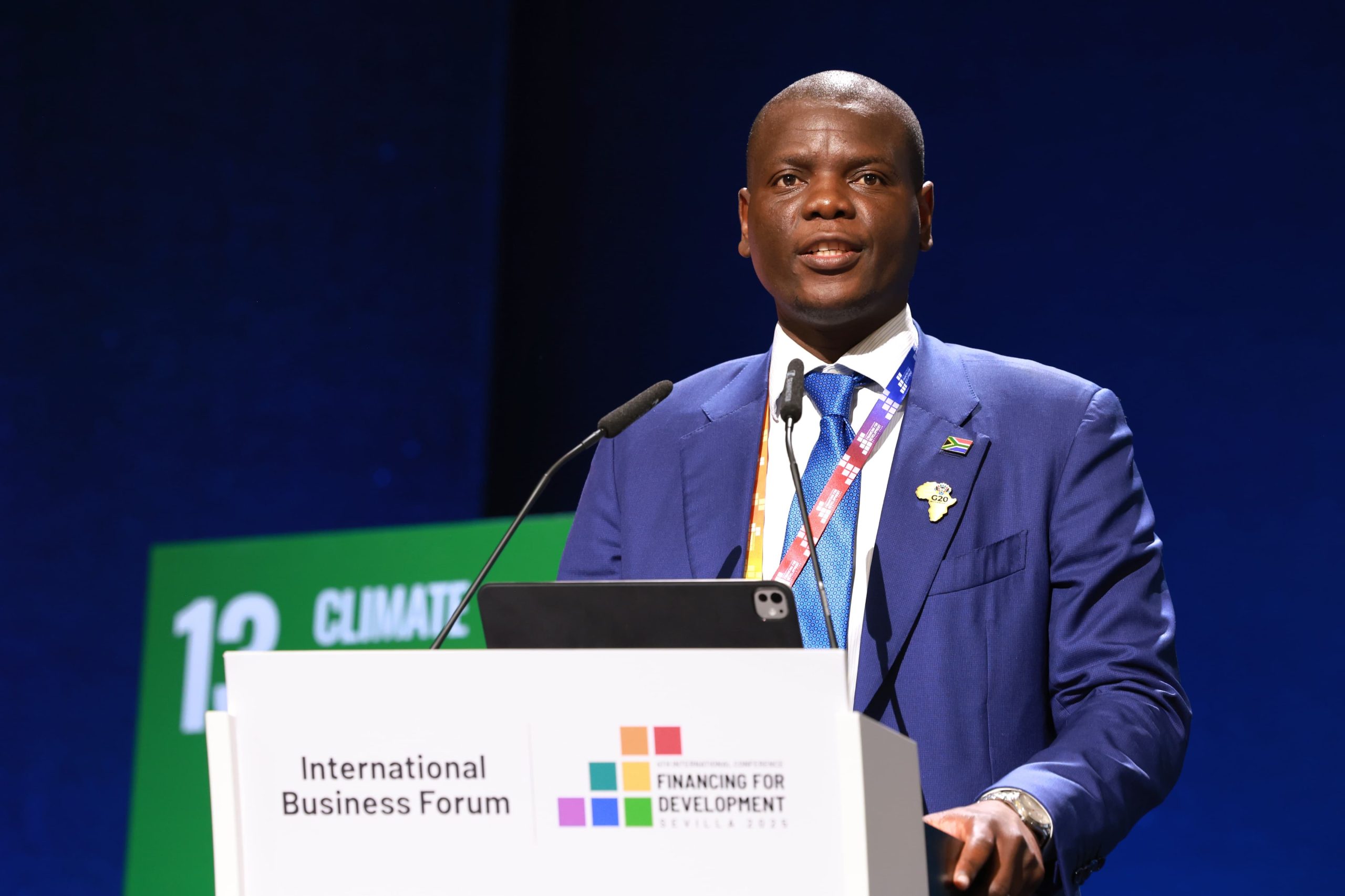
South Africa’s Minister of Justice and Correctional Services, Ronald Lamola, delivered a powerful address at the Multi-Stakeholder Round Table under the theme “Revitalising International Development Cooperation” held in Seville, Spain. The event, convened alongside the 4th International Conference on Financing for Development, brought together global leaders including President Pedro Sánchez of Spain, UN Secretary-General António Guterres, and Prime Minister Mia Mottley of Barbados.

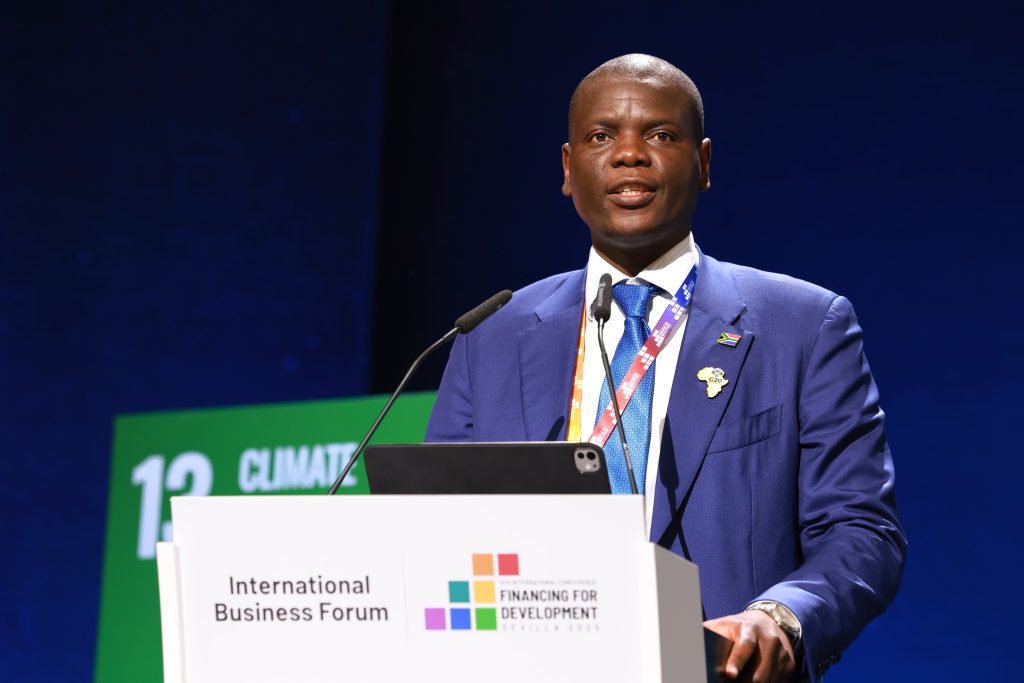
Minister Lamola emphasized the urgent need to create enabling environments that can attract and sustain private investment in developing countries, highlighting systemic and structural barriers such as political volatility, macroeconomic fragility, and weak financial ecosystems as major impediments to progress.
“Frequent shifts in policy, coupled with weak institutions and inconsistent regulatory frameworks, create a climate of uncertainty that undermines investor confidence,” Lamola noted. He stressed the importance of institutional capacity building, regulatory coherence, and independent oversight mechanisms to stabilize investment climates.
Addressing the economic vulnerabilities in many developing countries, Lamola pointed out the constraints posed by inflation, currency instability, and unsustainable debt levels. He called for prudent fiscal and monetary policy reforms, alongside strategic partnerships with Development Finance Institutions (DFIs), to share risk and strengthen investor assurance.
A recurring theme in Lamola’s remarks was the underdevelopment of local capital markets and infrastructure deficits. “Expanding and deepening local capital markets, supporting fintech innovation, and enabling financial inclusion are essential steps,” he said, adding that bridging the infrastructure gap must be pursued through well-structured public-private partnerships (PPPs), informed by private sector insights and supported by feasibility studies and credible project pipelines.
The Minister also addressed the scarcity of investment-ready opportunities, attributing this to limited technical capacity and weak project design. He proposed the establishment of dedicated project preparation facilities and the adoption of blended finance tools to improve project quality and bankability.
In calling for a long-term commitment to investment reform, Lamola urged governments and international development institutions to simplify investment regulations, reduce bureaucratic obstacles, and promote policy consistency. “Protecting property rights, ensuring contract enforcement, and creating predictable dispute resolution mechanisms are essential to instill investor confidence,” he said.
Lamola championed the development of national sustainable finance strategies aligned with Environmental, Social and Governance (ESG) goals and the UN Sustainable Development Goals (SDGs). These strategies, he explained, must be underpinned by robust taxonomies and disclosure standards to enhance transparency and comparability in sustainable investments.
The Minister also called for stronger global partnerships and knowledge-sharing networks to facilitate skills transfer and best practice adoption, especially in developing nations. He emphasized the importance of public institutions, particularly Multilateral Development Banks (MDBs), in de-risking private capital through guarantees, concessional finance, and credit enhancements.
“Public institutions must act as catalysts, not competitors to private finance,” Lamola said. “By de-risking investment, improving project readiness, and supporting regulatory reform, the public sector can unlock significant capital for inclusive, resilient, and low-carbon growth.”
Lamola’s remarks concluded with a call for sustained political will and collaboration to foster sustainable development ecosystems. “Creating an enabling environment for investment is not a one-off effort—it requires institutional reform, capacity building, and financial innovation,” he affirmed.
His address was widely welcomed as a timely and practical intervention, offering a roadmap for harnessing the power of private capital to meet the world’s development needs.





