











Business & Economy
Beyond Borders: What Doing Business with Dubai Means for South African Entrepreneurs


Looking Beyond the Local Market

On 4 June 2026, I attended the Doing Business with Dubai briefing and networking engagement hosted through the Johannesburg Chamber of Commerce and Industry (JCCI). The engagement offered an opportunity to explore the commercial relationship between South Africa and Dubai, while considering how entrepreneurs and businesses can position themselves to participate in international trade.
As a South African entrepreneur, I am increasingly interested in understanding how businesses can move beyond local markets, develop meaningful international relationships and access opportunities that support sustainable growth.
For me, engagements of this nature are about more than being present in a room. They are about learning how global markets operate, understanding what businesses need to compete internationally and identifying the connections that can help turn ambition into action.

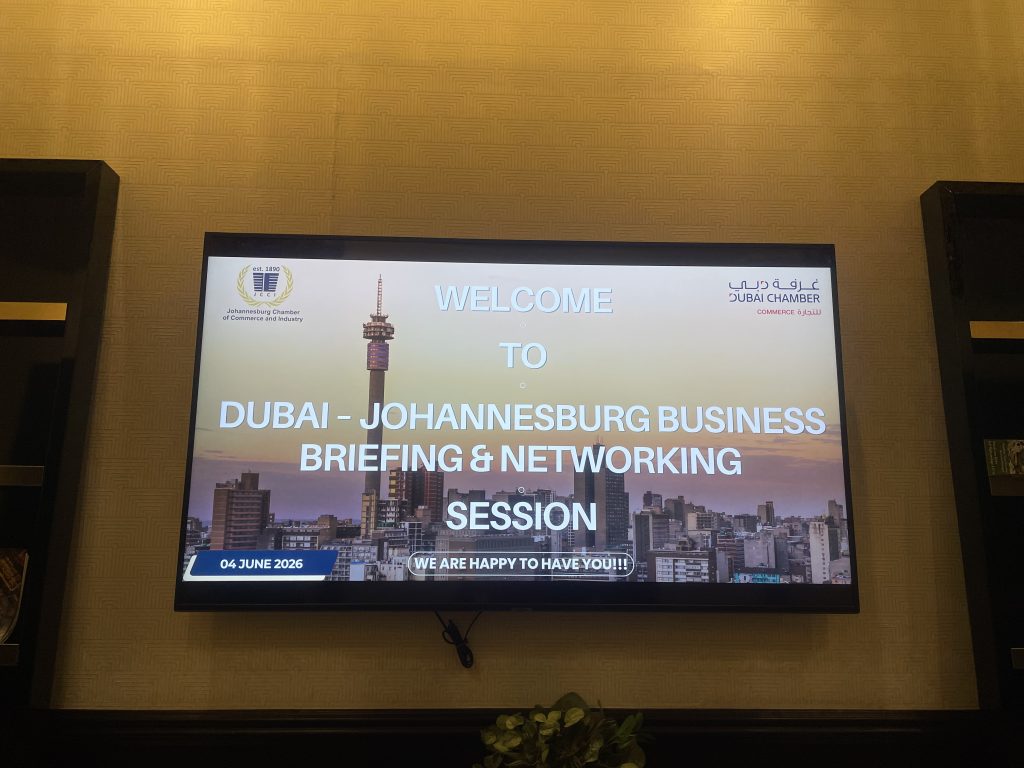
Exploring international trade and investment opportunities at the Doing Business with Dubai engagement through JCCI, 4 June 2026.
Understanding Dubai’s Business Environment
The session, featuring Mohammed Al Attar, Director for the African region, explored different aspects of Dubai’s business environment and the opportunities available to companies seeking to expand their international reach.
The discussion covered foreign direct investment (FDI), regulatory considerations, talent, retail and e-commerce, transport and logistics, real estate, clean energy, and information and communications technology (ICT) and innovation.
These sectors demonstrate that international business is not limited to exporting physical products. It also involves understanding supply chains, navigating regulations, developing the right partnerships and identifying where a company’s products or services can meet demand.
For South African entrepreneurs, understanding these factors is an important starting point. An international market may offer significant opportunities, but businesses must also assess the costs of entry, customer expectations, competition and the practical requirements of operating across borders.

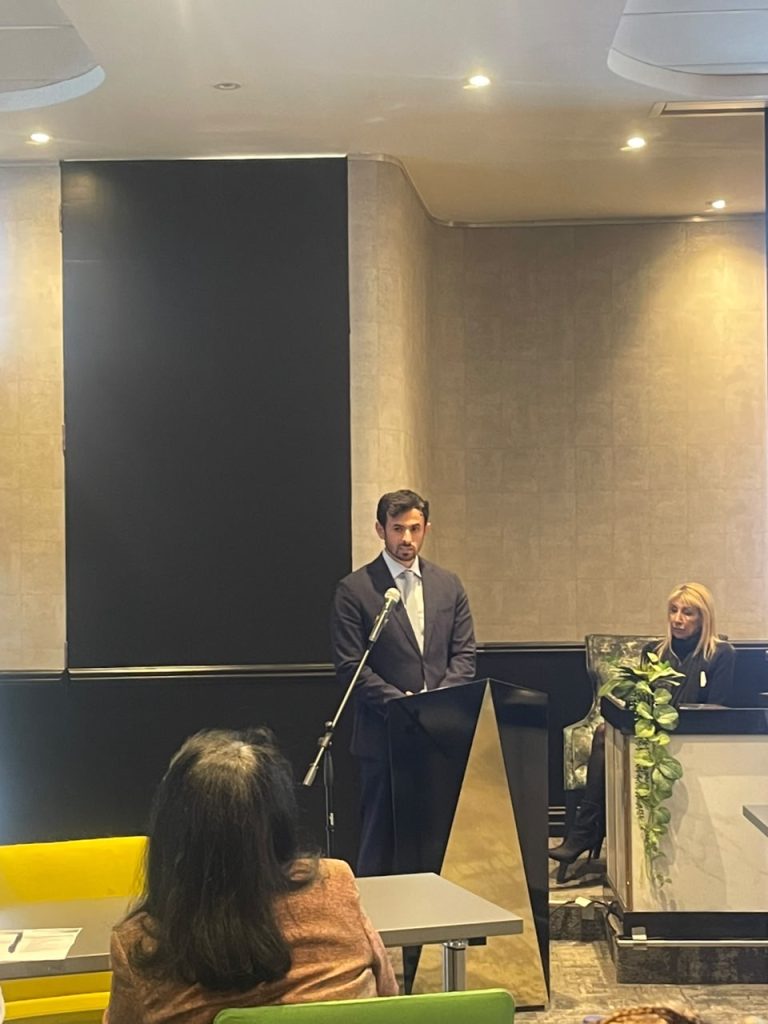
Mohammed Al Attar shares insights on Dubai’s business environment and opportunities for international engagement.
From Networking to Meaningful Business Relationships
One of the most important lessons I continue to take from business engagements is that networking should be approached with intention.
Meeting people is valuable, but the real opportunity lies in understanding what they do, identifying shared interests and determining whether there is potential for collaboration.
International trade requires more than exchanging business cards. It requires trust, preparation, follow-through and a clear understanding of what each party brings to the table.
For entrepreneurs, this means approaching networking with questions: What problem does my business solve? Who needs my product or service? What would make my business a credible partner? What must I improve before entering a new market?
These questions are particularly important for young entrepreneurs who may have ambitious ideas but are still developing the resources, operational systems and experience needed to compete beyond their home markets.
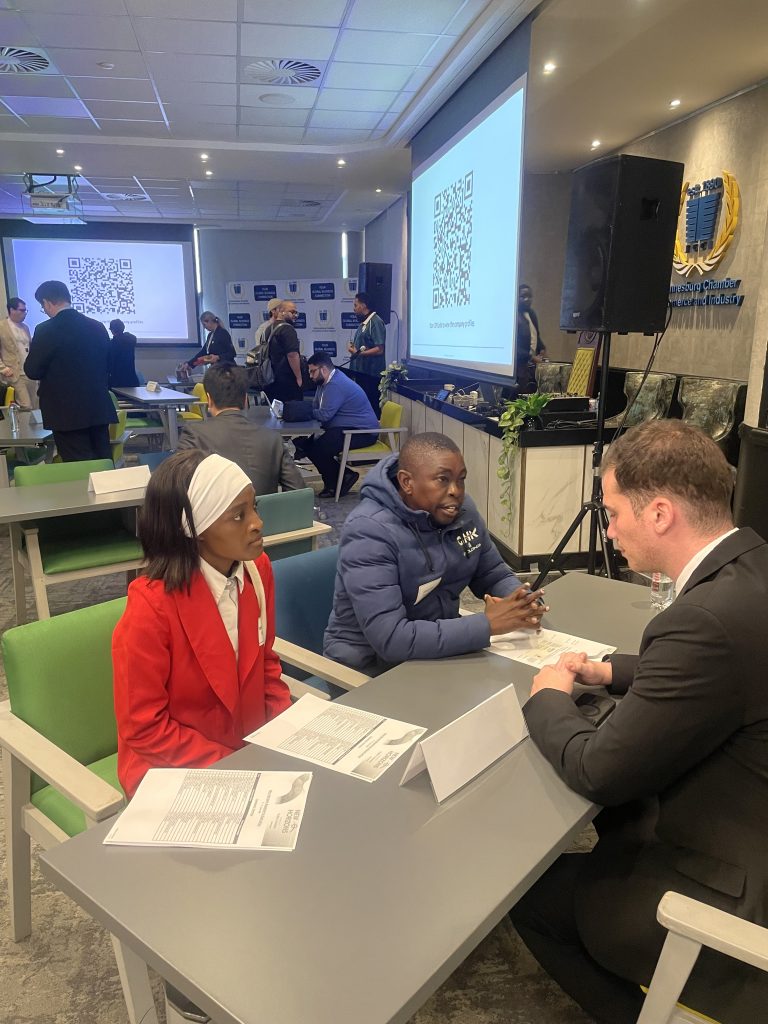
Business engagement and networking create opportunities to exchange knowledge and explore potential cross-border partnerships.
Why International Market Access Matters for South African SMEs
South Africa has entrepreneurs with innovative ideas, products and services. However, the ability to identify an international opportunity does not automatically translate into the ability to access it.
Small and medium-sized enterprises (SMEs) must understand export requirements, pricing, logistics, payment arrangements, regulations and the expectations of potential partners. They also need reliable information and networks that can help them navigate unfamiliar markets.
Dubai’s position as an international business hub makes it an important market for South African companies to study when considering trade and investment opportunities. The wider relationship between the two markets was also reflected in the Dubai–South Africa Business Forum held in Johannesburg in June 2026, which brought Dubai-based companies and South African stakeholders together to explore commercial partnerships.
The opportunity, therefore, is not simply to look outward, but to prepare local businesses to participate meaningfully in international commerce.
For me, this reinforces the importance of connecting entrepreneurship development with practical market access. Training and motivation matter, but entrepreneurs also need guidance on building viable businesses, meeting commercial requirements and developing relationships that can lead to tangible opportunities.
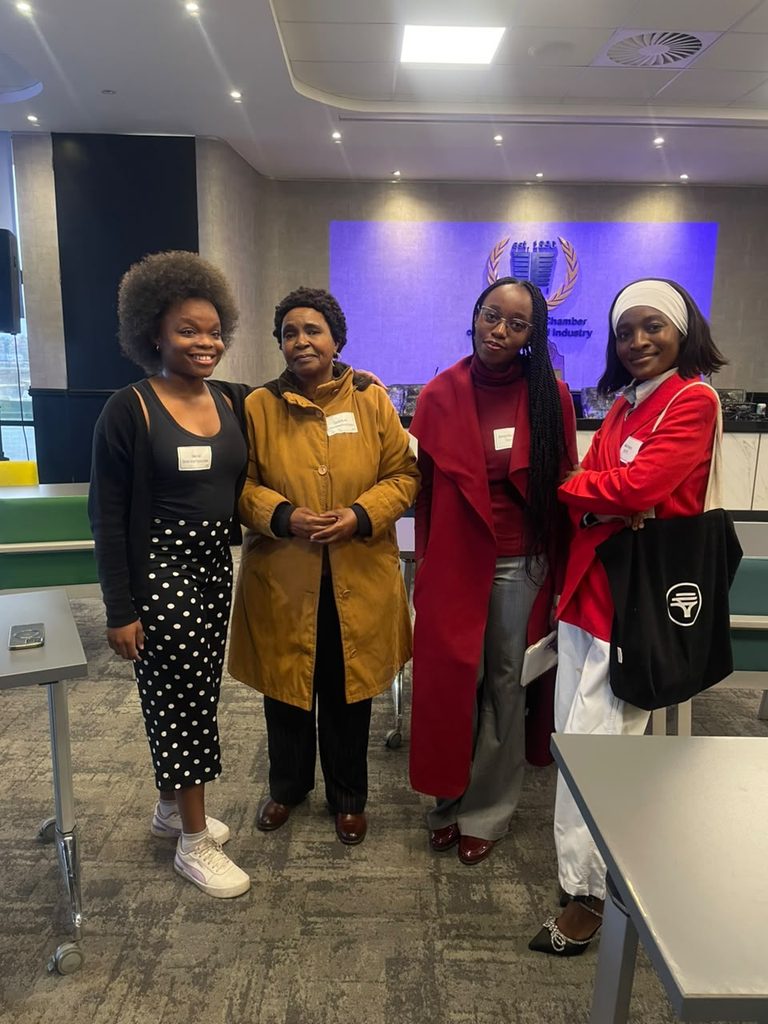
Isabela Pereira at the Doing Business with Dubai engagement, continuing her interest in entrepreneurship, international trade and economic collaboration.
Turning Exposure into Action
As I continue my journey as an entrepreneur and the founder of SHE FITS, engagements like this encourage me to think more deliberately about the future of business and the importance of building relationships beyond familiar markets.
International expansion should not be pursued simply because it sounds impressive. It requires research, preparation, financial planning and a clear understanding of the market a business intends to serve.
For young entrepreneurs, my takeaway is simple: remain curious about the world beyond your immediate environment. Attend business engagements, ask informed questions, learn from people with experience and follow up on the relationships you establish.
Most importantly, do not confuse access to a room with access to a market. The real work begins when you apply what you have learned.
South Africa’s entrepreneurs need opportunities to connect with international markets, but they must also be equipped to make the most of those connections.
The next step is to turn conversations into collaboration, knowledge into strategy and international exposure into meaningful economic participation.
About the author
Isabela Pereira is a South African entrepreneur and speaker, and the Founder and CEO of SHE FITS. Recognised in the Mail & Guardian 200 Young South Africans 2026 list in the Entrepreneurship category, her interests include entrepreneurship, women’s economic empowerment, youth development and international business collaboration.
















You must be logged in to post a comment Login