Ghana
Leadership That Transcends National Borders: Lessons from Kwame Nkrumah and Sékou Touré


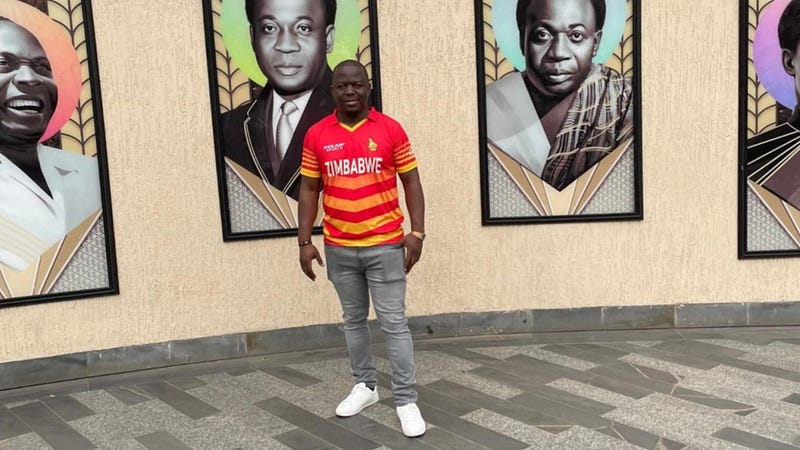
Late July this year, I had an unforgettable stroll through the Kwame Nkrumah Memorial Park in Accra, Ghana, and a powerful historical moment captured my attention.
After the unfortunate coup that removed Kwame Nkrumah from Ghanaian leadership in February 1966, President Ahmed Sékou Touré of Guinea extended a profound gesture of solidarity, offering Nkrumah asylum and bestowing upon him the honorary title of co-president of Guinea.
On 2 March 1966, Nkrumah arrived in Conakry at Touré’s invitation and was immediately appointed as honorary co-president of Guinea, formalizing a rare and symbolic leadership role.
He remained in Guinea, continuing his Pan-African advocacy and working toward the restoration of constitutional governance in Ghana, until his death on 27 April 1972 in Bucharest.
This gesture by Touré was far more than political hospitality, it had deep and multifaceted implications:
- Solidarity in Pan-Africanism: It showcased a rare display of continental unity and affirmed that leadership influence and respect transcend national titles.
- Platform for Continuity: Nkrumah continued his ideological work in exile, keeping the vision and organization of the Convention People’s Party (CPP) alive from Guinea.
- Moral Leadership: By treating Nkrumah not as a displaced refugee but as a co-leader, Sékou Touré demonstrated that genuine leadership values human dignity above politics.
- Inspiration for the Movement: Their partnership reaffirmed Pan-African ideals at a time when neocolonial pressures threatened newly independent nations.

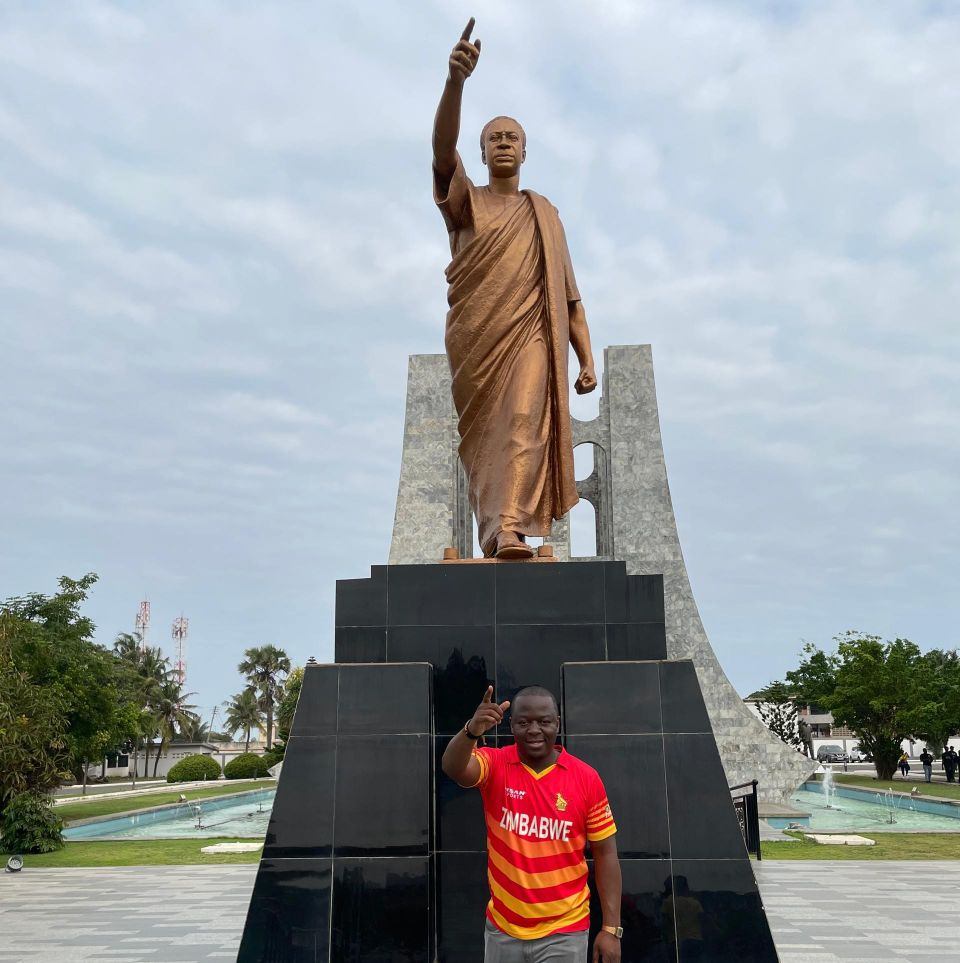
Lessons from Sékou Touré’s Gesture:
- True Leadership Knows No Borders Touré’s willingness to elevate a deposed foreign leader underscores that leadership is rooted in ideas and shared values — not confined to constitutional power.
- Symbolic Acts Carry Power The title “co-president,” though largely ceremonial, conveyed moral endorsement and hope. It’s a reminder that symbolic leadership can inspire action and unity.
- Allyship Is a Form of Leadership In extending solidarity, Touré underscored that supporting fellow leaders even when inconvenient or risky is itself a powerful form of leadership.
- Legacy Lies in Empowerment By empowering Nkrumah to continue his mission, Touré helped ensure that shared visions for an independent Africa endured beyond political setbacks.

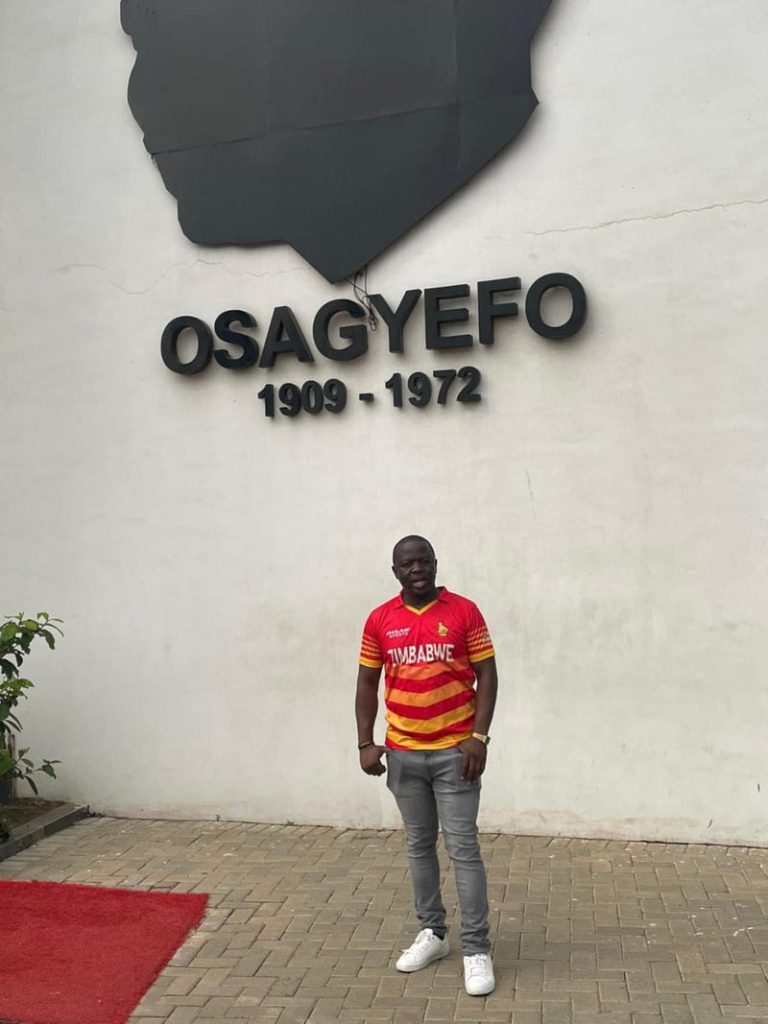
Reimagining Leadership Today: On that summer visit to Accra, I found myself taking a broader view: how many of us limit leadership to our titles, positions, or immediate responsibilities?
Nkrumah’s story which is elevated and sustained by Touré’s unorthodox allyship, reminds us that influence, values, and vision are timeless and transcendent.
Next time you feel sidelined, ask yourself: How can I remain a leader of ideas, even if titles fade? Who can I uplift to keep the mission alive? These are the moments where true leadership thrives.