











Business & Economy
April 11, 1976: A Day That Changed the World From Apple I to the iPad — The Rise of the Computer as a Catalyst for Prosperity


On April 11, 1976, a revolution quietly began in a California garage. The Apple I computer, created by Steve Wozniak and brought to life by the visionary Steve Jobs, was released. The first unit ever produced wasn’t sold to a tech firm or a business conglomerate — it was used in a high school math class. This moment would become a symbolic milestone, marking the beginning of a journey where the computer evolved from a basic tool for computation to a global force shaping economies, democracies, and destinies.

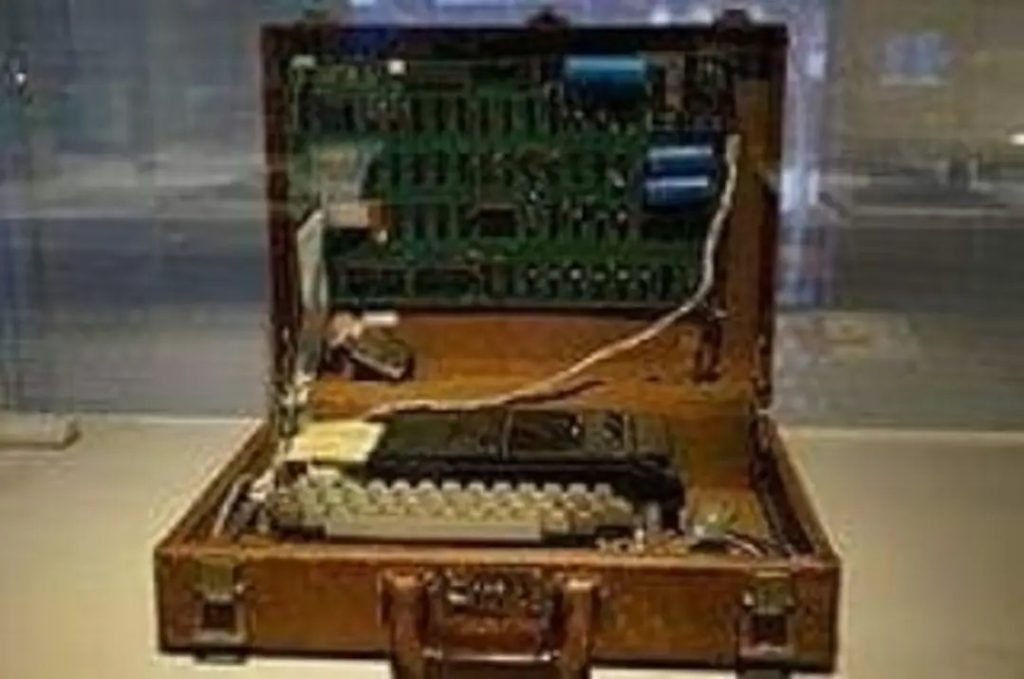
The computer has since become more than a machine. It is a bridge to prosperity — transforming lives, connecting continents, and driving literacy, innovation, and growth.
From iMac to iPad: A Revolution in Accessibility
The Apple I was a circuit board. No screen, no casing, no sleek design. It was followed by a line of innovations that culminated in the release of the iMac in 1998 — a colorful, all-in-one device that redefined what a personal computer could be. The iMac made technology more accessible, more user-friendly, and crucially, more beautiful.
Then came the iPad in 2010 — a touchscreen tablet that put the power of a computer in a compact, portable format. The iPad marked a shift in how we interact with technology. No longer confined to desks or labs, computing became mobile, interactive, and intuitive. Today, tablets are used by students in remote villages, doctors in rural clinics, and entrepreneurs in bustling townships.
Fueling the Digital Economy
Computers are at the heart of the digital economy. They facilitate online banking, remote working, e-commerce, e-learning, and digital health — sectors that are now pillars of modern life. Small and medium enterprises can sell products globally with a laptop and an internet connection. Farmers access weather patterns and market prices using mobile platforms. Students attend virtual classrooms with tablets and Wi-Fi.
This digital infrastructure is not just about convenience. It is a powerful tool in confronting the major challenges facing Africa and the developing world: poverty, unemployment, and inequality.
The Computer as a Tool for Inclusion
- Confronting Poverty
Computers have democratized access to information. Knowledge, once locked behind paywalls and physical borders, is now available at the click of a button. Online learning platforms empower individuals to learn skills, earn certifications, and access job opportunities — even in rural or under-resourced communities.
- Fighting Unemployment
Digital platforms offer new forms of employment — from coding and content creation to data analysis and virtual assistance. Young people, especially, are tapping into gig economies, freelance markets, and remote work opportunities. The computer is no longer just a tool for work; it is the workplace itself.
- Reducing Inequality
By leveling the playing field, computers enable marginalized communities to participate in the global economy. Digital tools help women start businesses, people with disabilities access services, and communities voice their needs and shape policies through online platforms.
Toward The Africa We Want
For Africa, the computer represents a gateway to self-determination. With investments in digital literacy, infrastructure, and innovation, the continent can leapfrog industrial-age limitations and build a knowledge-based economy. The future belongs to those who can code it, compute it, and connect it.
From a humble math class in 1976 to classrooms, boardrooms, and bedrooms across the globe in 2025, the journey of the computer is the story of human potential unleashed.
It’s not just a story of technology. It’s a story of transformation.





