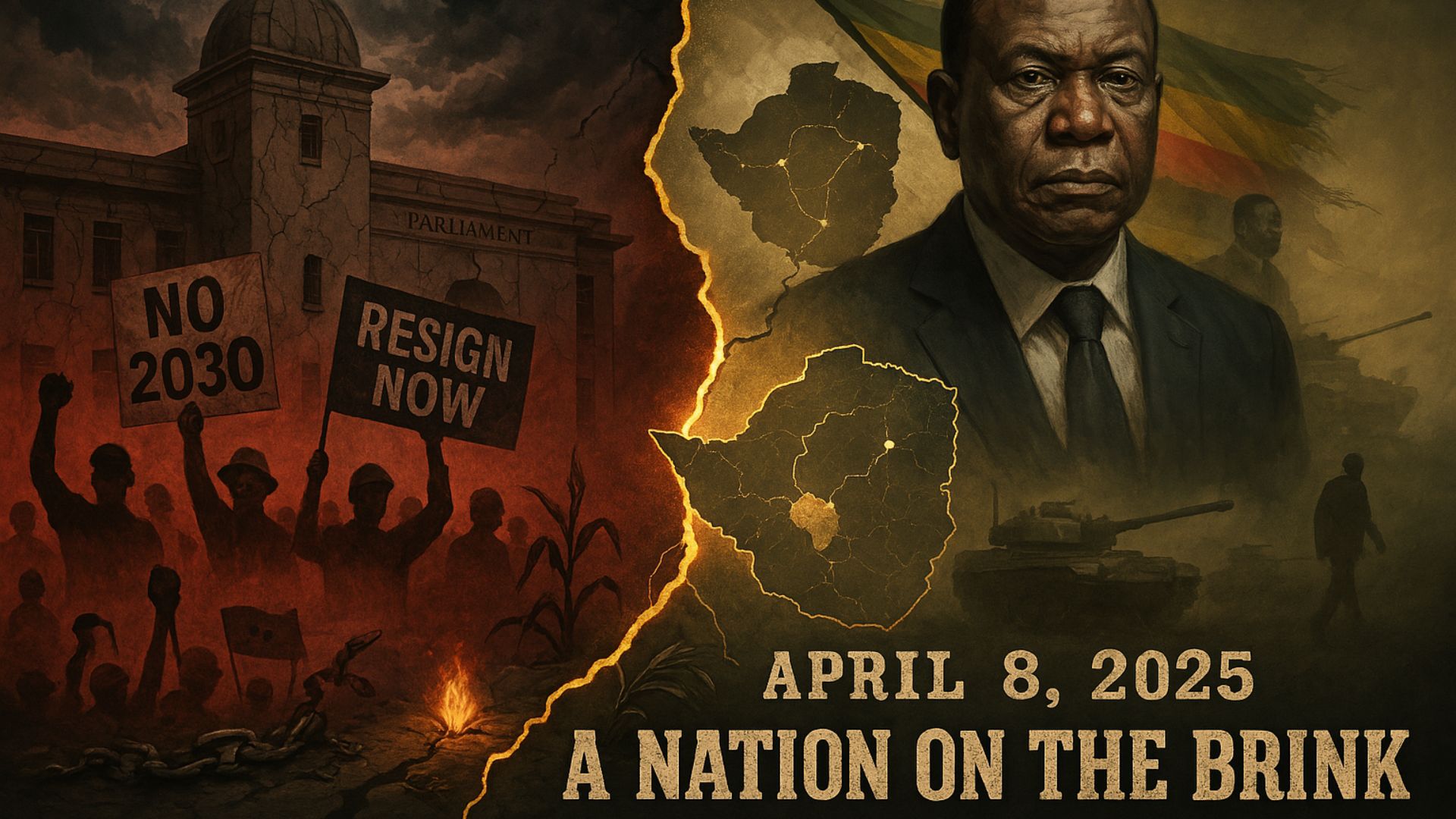
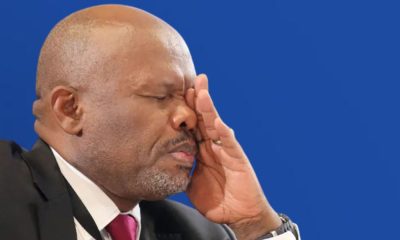
April 8, 2025 – Zimbabwe’s political landscape is teetering on the edge of chaos, with a shuttered parliament, an acting president stepping into the fray, and whispers of impeachment swirling around President Emmerson Mnangagwa. Drawing from the latest 20 headlines under Africa & Diaspora, alongside web and X searches for breaking developments as of today, this article unpacks the reasons behind parliament’s closure, Vice President Kembo Mohadi’s temporary ascent, the progress of impeachment efforts, and the freshest updates shaping this unfolding crisis. What emerges is a nation at a crossroads, grappling with internal strife, economic collapse, and a diaspora watching anxiously from afar.
Why Has Parliament Closed?
Zimbabwe’s parliament has not been formally “closed” in the traditional sense—there’s no official decree suspending its operations—but its functionality has ground to a halt amid escalating political turmoil. The root cause lies in the deepening rift within the ruling ZANU-PF party, exacerbated by Mnangagwa’s controversial push to extend his presidency beyond the constitutional two-term limit ending in 2028. On March 31, 2025, war veterans and dissident factions, led by figures like Blessed Geza, orchestrated a national shutdown that paralyzed Harare and other cities, signaling widespread unrest. This unrest has disrupted parliamentary business, with lawmakers either unwilling or unable to convene amid heavy police deployments and fears of violence.
Sources indicate that ZANU-PF’s internal power struggle has spilled over into legislative paralysis. The party’s two-thirds majority, once a tool to amend the constitution, is now fractured, with factions loyal to Vice President Constantino Chiwenga and others opposing Mnangagwa’s maneuvers. The justice minister, Ziyambi Ziyambi, hinted in January that constitutional amendments require a 90-day public debate and a referendum—steps stalled by the current chaos. X posts suggest parliamentarians are “too scared to show up,” with one user claiming, “Harare’s streets are a war zone; no one’s legislating anything.” While not officially shuttered, parliament’s de facto closure reflects a government in disarray, unable to govern as dissent festers.
Why Is Mohadi Acting President?
Vice President Kembo Mohadi has stepped into the role of acting president due to Mnangagwa’s temporary absence, though the exact reasons remain murky. Recent headlines and web updates point to Mnangagwa’s international travel—potentially tied to his April 6 announcement suspending U.S. import tariffs as a goodwill gesture to the incoming Trump administration. This diplomatic gambit, criticized by analysts as a bid to lift personal sanctions, may have necessitated his presence abroad, possibly in the U.S. or at a regional summit. Alternatively, some speculate he’s lying low amid domestic threats, including rumors of a coup following his March 27 dismissal of a senior army chief, Emmanuel Matatu.
Mohadi, a loyalist with a less contentious profile than Chiwenga, is a natural stand-in under Zimbabwe’s constitution, which designates the first vice president to act in the president’s absence. His tenure as acting president, however brief, underscores the fragility of Mnangagwa’s grip on power. X chatter highlights Mohadi’s low-key approach, with one post noting, “Mohadi’s in charge, but no one’s sure he’s calling shots.” This interim leadership comes at a pivotal moment, with the military’s loyalty in question and the nation on edge.
How Far Is Impeachment?
Impeachment remains a distant but tantalizing prospect for Mnangagwa’s foes. Zimbabwe’s 2013 constitution allows parliament to remove a president for incapacity or gross misconduct, requiring a two-thirds majority in both the National Assembly and Senate, followed by a joint sitting to confirm the ouster. ZANU-PF’s historical dominance—securing 145 of 210 seats in the 2023 elections—once made this unlikely, but the party’s fracture changes the calculus. War veterans and expelled members like Geza, alongside a restive populace, are pushing for Mnangagwa’s removal over corruption, nepotism, and economic mismanagement, allegations fueling the March 31 protests that saw 95 arrests.
Yet, the process is stalled. Parliament’s dysfunction means no formal impeachment motion has been tabled, and the opposition, led by the Citizens Coalition for Change (CCC), lacks the numbers to force it alone. In January, CCC signaled it wouldn’t block a ZANU-PF bid to extend Mnangagwa’s term to 2030, suggesting strategic apathy rather than active resistance. Legal experts estimate a timeline of months—if unrest subsides enough for lawmakers to act—given the need for investigations and votes. X users speculate wildly, with one claiming, “Impeachment’s a pipe dream unless Chiwenga flips.” For now, it’s a simmering threat, not an imminent reality.
Latest News: Breaking Developments
As of April 8, 2025, Zimbabwe’s crisis is intensifying. On April 7, reports emerged of military movements near Harare, stoking fears of a coup—echoing the 2017 ouster of Robert Mugabe. Mnangagwa’s tariff suspension has drawn SADC ire, with Lesotho’s leadership decrying Zimbabwe’s unilateralism amid broader U.S. tariff hikes (18% on Zimbabwe, 50% on Lesotho). Economically, the Zimbabwe dollar’s freefall—98% depreciation since 2020—has triggered panic, with diaspora remittances surging to offset food shortages worsened by drought. Culturally, the diaspora rallied in London yesterday, protesting Mnangagwa’s rule, while Winky D’s latest track, a veiled attack on corruption, tops local charts.
The most urgent development is the military’s stance. Mnangagwa’s appointment of a new army chief, Emmanuel Matatu, days before the March 31 uprising, failed to quell dissent, and Chiwenga’s silence fuels speculation of a power grab. Blessing Vava of the Crisis in Zimbabwe Coalition warned on April 2 that civil war looms if infighting escalates—a sentiment echoed across X, where #ZimCrisis trends. Mohadi’s interim role buys time, but the clock is ticking on Mnangagwa’s presidency.
Transcontinental Echoes
Zimbabwe’s saga reverberates beyond its borders, drawing in its 4-7 million-strong diaspora. In South Africa, home to 3 million Zimbabweans, trade ties strain under regional fallout, while U.S.-based activists lobby against Mnangagwa’s tariff ploy. Cultural bridges—like Jah Prayzah’s world tour—offer hope, but socio-political ties are tested as Zimbabwe’s instability threatens SADC unity. The diaspora’s voice, amplified through protests and remittances, underscores a transcontinental stakes: Zimbabwe’s fate shapes Africa’s.
Conclusion: A Nation on the Brink
Zimbabwe in April 2025 is a powder keg—parliament sidelined by chaos, Mohadi a stopgap amid Mnangagwa’s gambles, and impeachment a distant spark in a tinderbox of dissent. The latest news paints a grim picture: military tension, economic despair, and a diaspora poised to tip the scales. Whether Mnangagwa weathers this storm or falls to internal betrayal, Zimbabwe’s transcontinental narrative is one of resilience tested by rupture. As one X post starkly put it, “Zim’s not just fighting for power—it’s fighting to survive.” The world watches, and Zimbabwe holds its breath.