


Education & Youth
Reimagining Education in Africa: Lessons from Lutfo Dlamini and the Kingdom of Eswatini


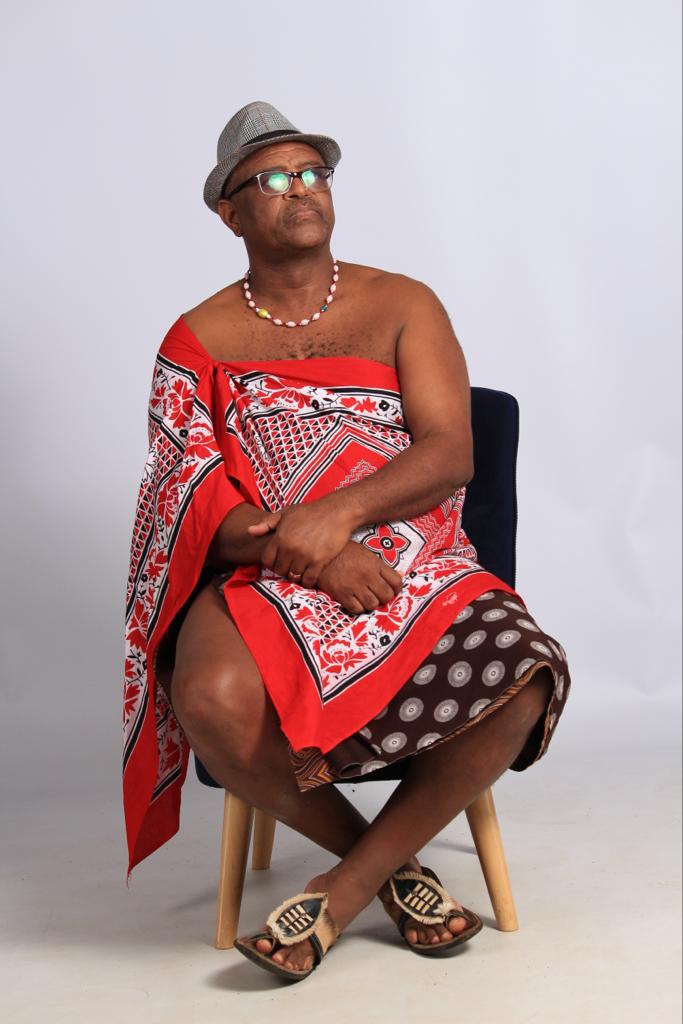
As a teacher by profession, I believe education must go beyond traditional learning to inspire creativity, innovation and economic productivity. It should empower students to produce goods and services, address societal challenges and contribute meaningfully to their communities. This belief aligns with the inspiring story of Mr Lutfo Dlamini from the Kingdom of Eswatini, whose remarkable journey offers valuable lessons for reimagining education across Africa.
The Kingdom of Eswatini stands as a symbol of Africa’s potential, driven by a visionary leadership that fosters growth and opportunity. His Majesty King Mswati III has created an enabling environment where capable individuals like Lutfo Dlamini can thrive and make a difference.

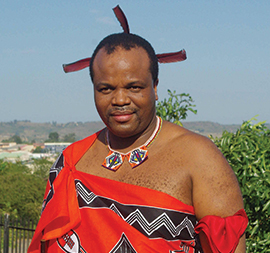
Under the King’s leadership, Eswatini has embraced initiatives that empower its people and advance national development. Lutfo Dlamini’s success as a public servant, entrepreneur and philanthropist is a testament to the opportunities afforded by this nurturing environment. His work with the Lutfo Dlamini Foundation (LDF) highlights the power of combining individual vision with institutional support to drive meaningful change.
Dlamini’s distinguished career as Minister for Investments, Trade & Labour and Foreign Affairs in Eswatini underscores his commitment to national progress. Beyond his government roles, Dlamini has championed initiatives that uplift underserved communities, particularly rural women and youth.

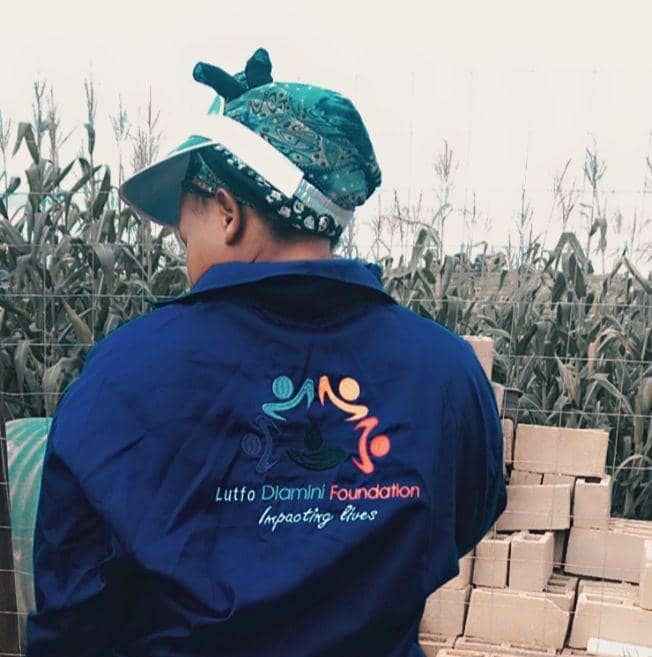
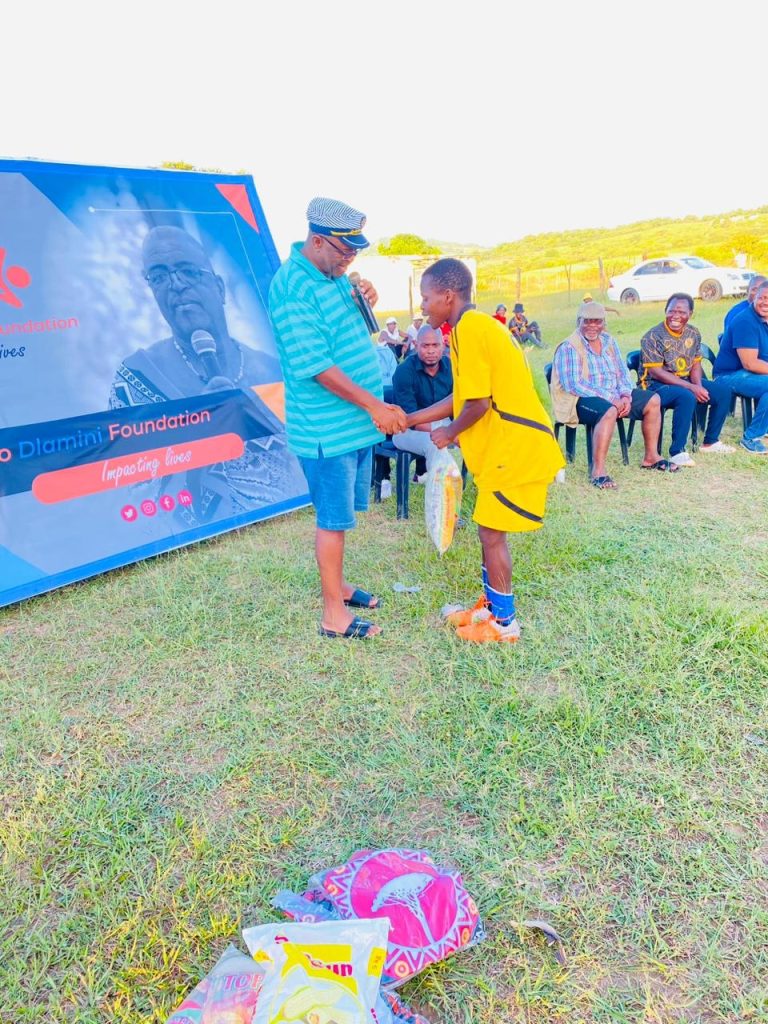
Through the LDF, he continues to provide shelter, food, education and healthcare to those in need. His work exemplifies the transformative power of education when aligned with practical outcomes and community engagement. Dlamini’s mentorship and partnerships with local and international organizations further amplify his impact, making Eswatini a beacon of greatness in Africa.
Africa’s education systems must evolve to meet the continent’s pressing challenges of poverty, unemployment and inequality. Inspired by the Kingdom of Eswatini’s approach and Dlamini’s legacy, I believe education should prioritize practical skills, entrepreneurship and innovation.
Students should be taught not only to seek employment but to create opportunities. Practical education, such as vocational training and project-based learning, can equip them with the tools to identify problems, develop solutions and contribute to economic growth.
My own journey as a teacher, shaped by walking 32 kilometers daily to school in the dusty village in Masvingo, Zimbabwe, has shown me the power of resilience and the need for education systems that inspire action. With the right support, African students can rise to build globally competitive businesses and drive progress.
The success of individuals like Lutfo Dlamini is rooted in the vision of His Majesty King Mswati III, whose leadership has created an operating environment where talent and dedication can blossom. Governments across Africa must emulate this model by prioritizing education reforms that align with national development goals.
Investments in teacher training, modern infrastructure and digital technologies are critical. Policies that promote public-private partnerships can further enhance the quality and accessibility of education. By fostering an environment that supports innovation and entrepreneurship, leaders can unlock the full potential of their nations.
Lutfo Dlamini’s mentorship and collaborative efforts highlight the importance of guidance and partnerships in education. Schools and universities should incorporate mentorship programs that connect students with successful professionals, providing them with valuable insights and inspiration.
Collaboration with organizations, both local and international, can expose students to new opportunities and resources, preparing them to excel in a rapidly changing world. Dlamini’s ability to leverage partnerships for community development demonstrates the power of collective action in achieving shared goals.
The Kingdom of Eswatini, under the leadership of His Majesty King Mswati III, offers a powerful vision of what Africa can achieve. By creating an enabling environment and nurturing capable leaders like Lutfo Dlamini, Eswatini sets a precedent for the continent.
The Africa we want is one where every child has the opportunity to contribute meaningfully to their community and nation. By adopting education systems inspired by the Kingdom of Eswatini’s success, Africa can transform its immense potential into lasting prosperity.
As a teacher, I am committed to this vision, believing that education should not only enlighten minds but also empower hands to produce and create. Through this, we can move our nations forward and build a brighter future for all.