







Corporate Literacy
The First Mobile Phone Call: A Milestone in Communication History


The world took a monumental leap into the future of communication when Marty Cooper, an engineer and executive at Motorola, made the first-ever mobile phone call on the bustling streets of New York City, on April 3, 1973. Standing tall with a groundbreaking device in hand, Cooper dialed his rival at Bell Labs to announce the historic achievement, forever changing how people would connect.

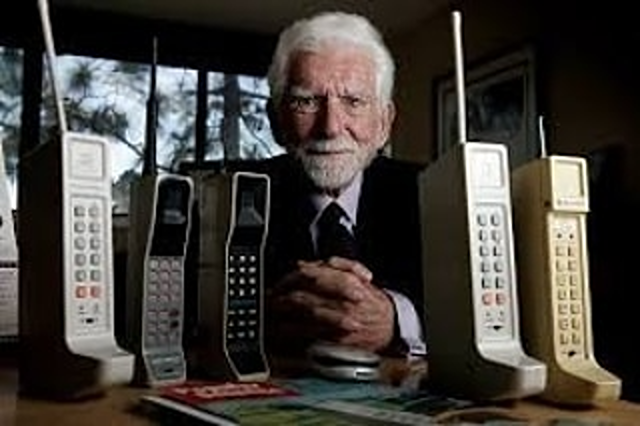
Cooper’s vision was revolutionary. He believed that a mobile phone should be personal, assigning a number not to a place, a desk, or a home, but to an individual. This fundamental idea laid the foundation for the modern mobile communication systems that have since become an integral part of daily life worldwide.
The device used by Cooper, a prototype known as the DynaTAC 8000X, was far from the sleek smartphones of today. It weighed nearly 1.1 kilograms (2.5 pounds) and measured about 25 centimeters (10 inches) in length. Despite its bulky design and limited functionality, this groundbreaking call marked the birth of the mobile communications era.

In the decades that followed, mobile phones evolved rapidly, becoming essential tools for business, social interaction, and personal convenience. The African continent, in particular, witnessed a transformative impact as mobile technology bridged economic and social divides. To understand more about how mobile network firms have contributed to Africa’s development, readers can explore Mutumwa Mawere’s book, Bridge to A Prosperous Africa: The Role of Mobile Network Firms and Their Actors.
Today, as smartphones empower billions, Marty Cooper’s vision of individualized communication remains a cornerstone of the mobile network industry. His pioneering call on that spring day in 1973 continues to resonate as a testament to human ingenuity and innovation.





