





Rule of Law & Governance
Constitutional Debate Intensifies Over Possible Mnangagwa Term Extension to 2030


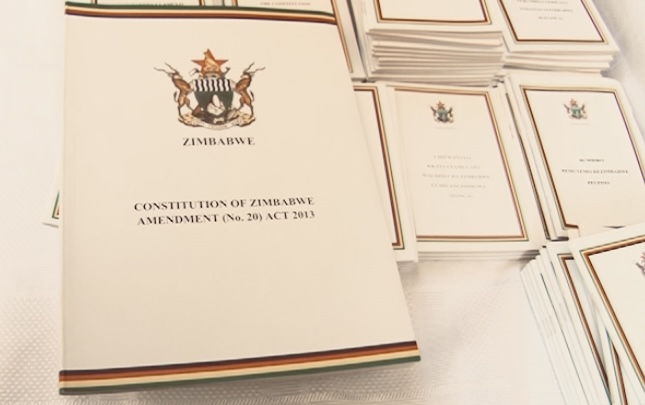
A growing constitutional debate is unfolding in Zimbabwe over a proposal that could see President Emmerson Mnangagwa remain in office for an additional two years beyond his current constitutional limit, potentially extending his presidency to 2030. Legal scholars and political observers say the issue hinges not simply on Parliament’s power to amend the Constitution, but on whether such an amendment could lawfully benefit the sitting incumbent.
Supremacy of the Constitution at the Centre
The discussion has increasingly focused on Section 2 of the Constitution of Zimbabwe, which establishes the Constitution as the supreme law of the land. Under this clause, any law, conduct, or governmental action inconsistent with the Constitution is deemed invalid.
While Zimbabwe’s Constitution expressly allows amendments through Parliament, constitutional analysts note that this power is not unlimited. The key legal argument emerging from recent discussions is that an amendment may be procedurally valid yet substantively unconstitutional if it undermines core constitutional safeguards.
The Anti-Incumbent Safeguard
At the centre of the controversy is Section 328(7) of the Constitution, widely viewed as an anti-incumbency protection. The provision states that any constitutional amendment that extends the length of presidential tenure does not apply to the person holding office at the time the amendment is enacted.
Legal experts argue that this clause was deliberately designed to prevent sitting presidents from altering tenure rules to prolong their own stay in power.
According to constitutional scholars participating in the debate, the critical legal question is therefore not whether Parliament can amend presidential term provisions, but whether it can do so in a way that immediately benefits the current office holder.
Legal Versus Political Question
Supporters of a potential extension have suggested that since the Constitution provides for its own amendment procedure, any amendment passed according to those rules should be lawful.
However, opposing legal interpretations contend that the supremacy clause read together with Section 328(7) creates a constitutional barrier against amendments structured to favour the incumbent.
Under this view, even if Parliament were to pass an amendment extending presidential tenure, any attempt to apply that extension to the sitting president could be struck down as constitutionally invalid.
Broader Implications for Constitutionalism
Observers note that the issue has implications beyond one presidency. The debate touches on fundamental constitutional design principles such as,
- – protection against self-serving tenure manipulation
- – preservation of democratic succession rules
- – safeguarding the intent behind constitutional checks on executive power
- Analysts warn that how Zimbabwe resolves the issue could become a defining test of constitutional supremacy and institutional independence in the country’s governance framework.
A Debate Likely to Continue
For now, the proposal remains largely within political and legal discourse, but the constitutional arguments surrounding presidential tenure, amendment powers, and incumbent benefit are expected to intensify as Zimbabwe moves closer to future electoral cycles.
Whether the question ultimately becomes one for Parliament, the courts, or the electorate, the legal interpretation of Zimbabwe’s constitutional safeguards may determine whether any extension to 2030 can legally take effect.





