





Rule of Law & Governance
The Beauty of Ignorance: A Journey Through the Rule of Law


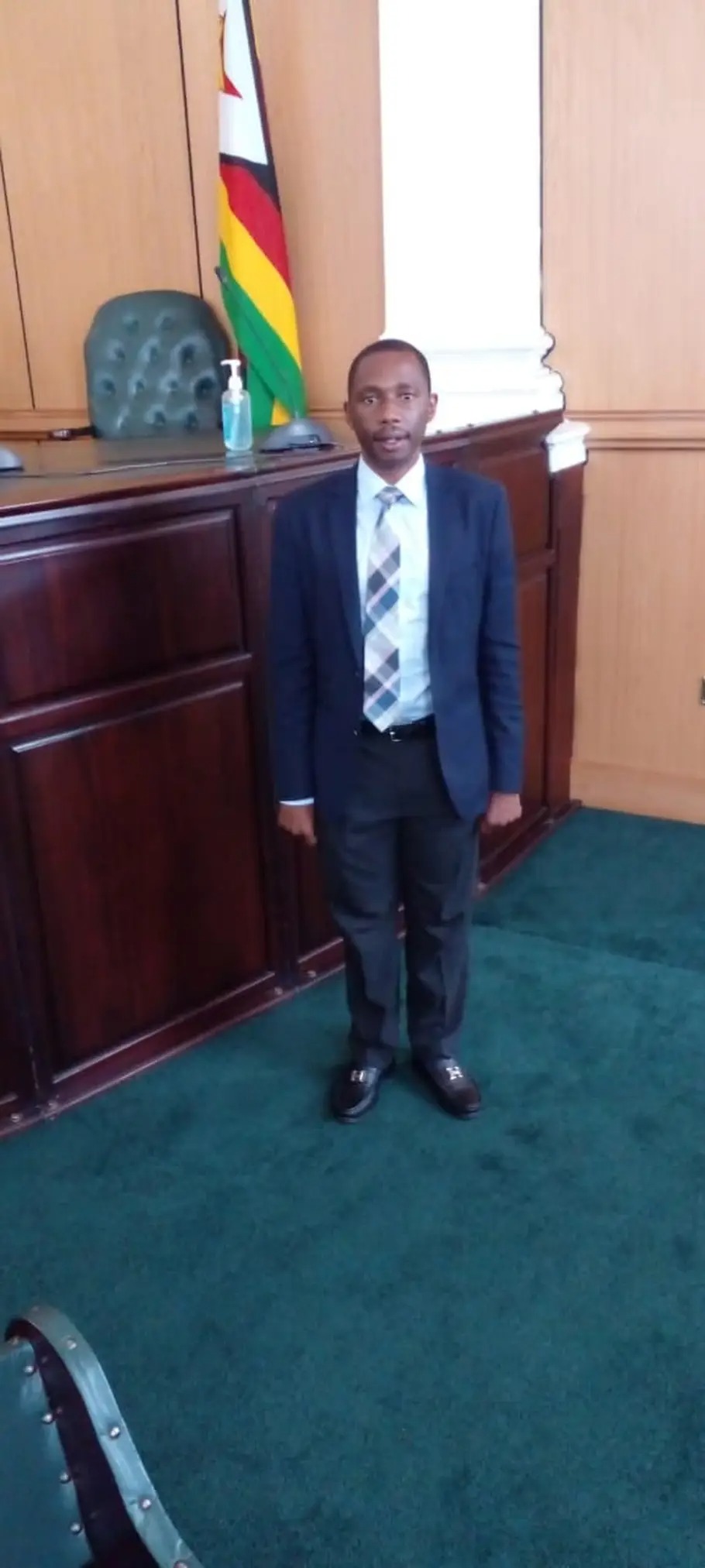
There’s a strange irony in the human condition: that what we call ignorance is not merely the absence of knowledge, but the fertile ground from which thought, discovery, and transformation spring. Absent ignorance, life might be less desirable, for there would be no Thinkers to celebrate—no souls yearning to bridge the distance between the known and the unknown.

My relationship with ignorance has been deeply personal, especially in the realm of the rule of law. I grew up in a household where the term “rule of law” was more than a legal phrase—it was a creed. My father was passionate about its causal link to a just and equitable society. He was instrumental in the establishment of the Fellowship of Reconciliation Zimbabwe, a human rights organisation whose mission was to promote a “Beloved Community” where violence is transformed and unjust structures are dismantled. It was a space that brought together people from different spiritual traditions in pursuit of peace and justice.
Yet, as a young man, I was indifferent. Whenever my father would comment on the state of the rule of law in Zimbabwe as we drove through the city of Harare, I would stare out the window, uninterested. His words flowed like background music to a mind preoccupied with other dreams.
Fast-forward to 2016, when life—in its mysterious rhythm—decided to confront my ignorance. I was promoting investment opportunities in Zimbabwe, particularly in the gold mining sector. In one of those moments that forever alter one’s trajectory, Mutumwa Mawere said to me, “Learn about the causal link between the rule of law and economic development.” I had approached him seeking a $750,000 investment for Koodoo Gold Mine, but what I received was something far more valuable—an intellectual awakening.
That encounter was a mirror reflecting my ignorance back at me, not as shame, but as invitation. I began to see that the rule of law is not an abstract concept confined to constitutions and courtrooms—it is the architecture of trust upon which societies and economies are built. It is the invisible currency of civilization.
Today, some may view me as an authority in this subject, but I know better. I am, and will always remain, a student of life—learning, unlearning, and relearning. I have come to celebrate ignorance not as a flaw but as a teacher. It reminds me that wisdom is not a destination but a journey of curiosity, humility, and constant evolution.
Ignorance, after all, is the silent spark behind every question, every invention, every movement toward justice. And in that realization lies life’s greatest paradox: it is only through ignorance that we truly begin to know.





