



Zimbabwe
Education Crisis: Zimbabwe’s Youth Burdened by Skyrocketing University Fees


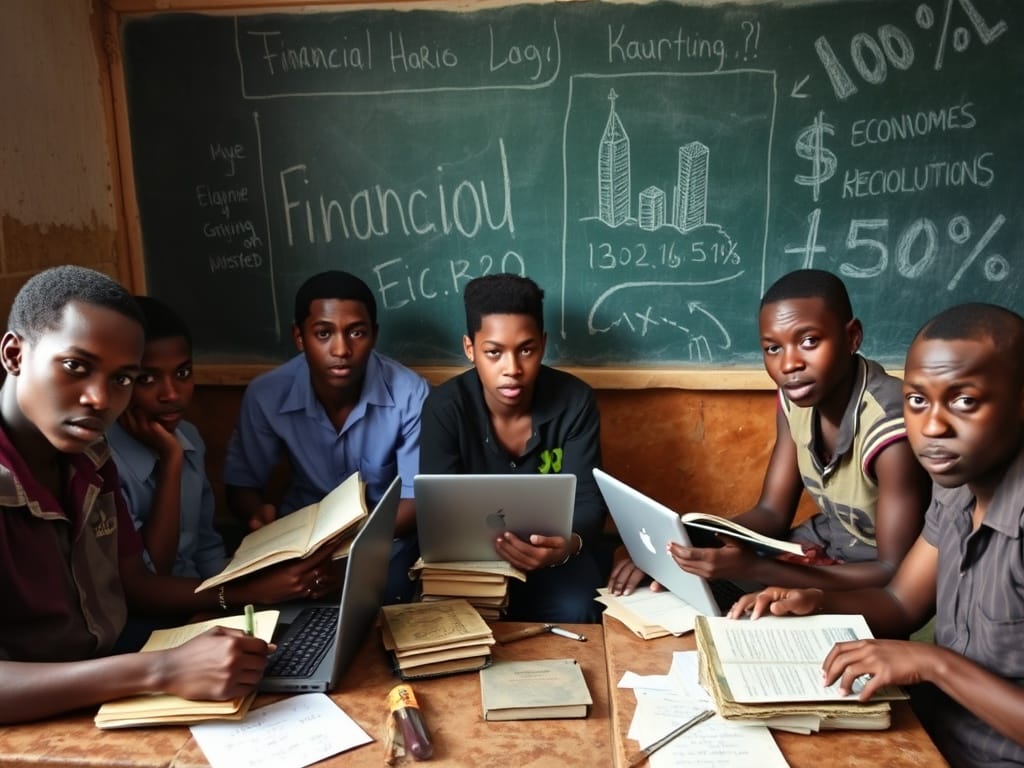
In a country where the pursuit of education once symbolized hope and opportunity, the soaring costs of university tuition have transformed dreams into daunting financial nightmares.
With first-degree tuition averaging an eye-watering $675 per semester, many families find themselves caught in a relentless struggle to keep their children in school.


In addition to tuition, students face a myriad of essential expenses that contribute to their mounting financial burdens.
The search for private accommodation costs around $90 per month, while grocery bills reach approximately $60. Commuting to campus adds another $50, and the necessity of data bundles or Wi-Fi for research and assignments further tacks on an additional $50.
As a result, parents are carrying the weight of an overwhelming budget in an economy where average salaries hover around $300.
“I feel like I am drowning in expenses,” lamented Mrs. Chipo Moyo, a mother of two university students. “I want to give my children the opportunity to succeed, but these fees are pushing us into poverty. How can I possibly afford this?”
The current economic landscape forces many families to make heartbreaking decisions. Those without a stable source of income often have no choice but to halt their children’s education after Ordinary or Advanced Level exams, leading to alarmingly low enrolment rates in universities. This harsh reality denies countless young Zimbabweans the chance to realize their potential.
The absence of government grants and scholarships, once a lifeline for students in the 1980s and 90s, has only intensified the crisis.
Advocacy groups are urgently calling for the restoration of these vital programs. “The government must act now to support our youth,” emphasized Linda Moyo, a spokesperson for the Zimbabwe National Students Union. “Education should not be a privilege for the few.”
In addition to restoring grants, there is a pressing need for vocational training loans that could empower aspiring students who cannot afford traditional university education. The future of the nation lies in the hands of its youth, who are currently being denied opportunities due to these overwhelming hardships.
Furthermore, enhancing research funding can spur national development, enabling the next generation to contribute to a brighter, more prosperous Zimbabwe.
The call to action is clear: the government must recognize education as a fundamental right and invest in the potential of its youth.
As families across Zimbabwe face the harsh realities of financial strain, the hope for change remains alive, echoing through the hearts of parents and students alike who long for a future where education is accessible for all.