Harare, Zimbabwe — A seismic constitutional breach may have occurred at the heart of Zimbabwe’s legislature. The newly enacted Private Voluntary Organisations (PVO) Amendment Act, already under fire for stifling civic freedoms, is now facing fresh scrutiny — not for what it contains, but for how it became law.
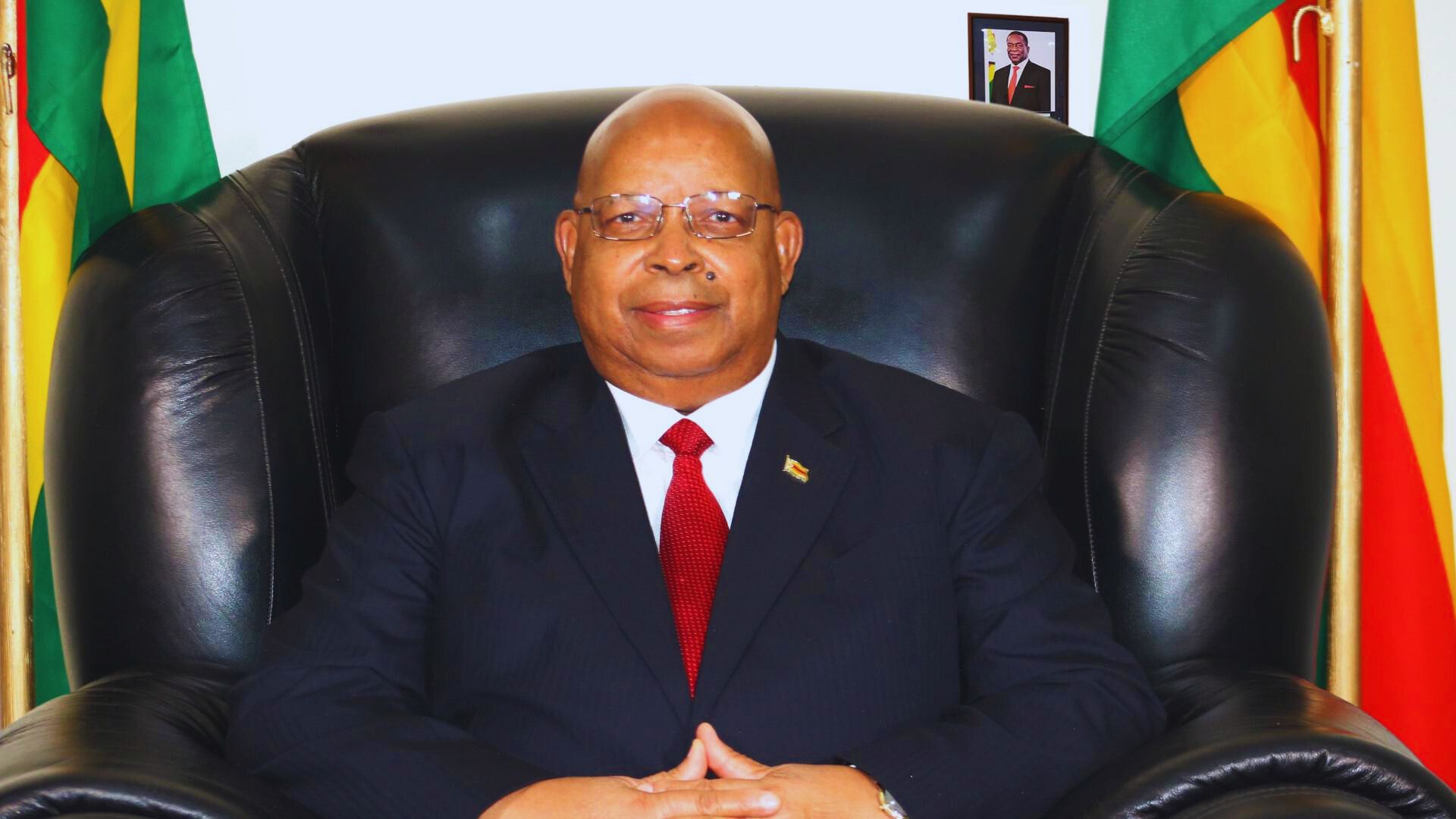
In a detailed and sobering interview, former Member of Parliament Samuel Banda, who represented Mount Pleasant from 2018 to 2023, outlines what he describes as a deliberate and illegal manipulation of the legislative process. According to Banda, the version of the PVO Amendment signed by President Emmerson Mnangagwa is not the version passed by Parliament and the Senate.
“This is not just about procedure. It’s about legitimacy. What has become law was never approved by Zimbabwe’s lawmakers,” said Banda.
Key Allegations: A Law Mutilated Beyond Recognition
- Illegal Preamble: The final Act begins with a preamble that was never included or approved during Parliamentary debate. Banda states this violates Section 131 of the Constitution, which governs how laws are enacted.
- Restoration of the PVO Board: Parliament had abolished the PVO Board, vesting registration oversight in a Registrar. But the signed law mysteriously reinstates the Board, despite no such provision being passed.
- Unlawful Additions: Banda details three to four significant changes between the debated bill and the enacted law, all introduced post-parliamentary scrutiny.
“The Attorney General or the responsible Minister does not have authority to rewrite bills. Their role is editorial — fixing commas, not content,” Banda stressed.
What the Law Does: Criminalizing Community Organization
At its core, the PVO Amendment Act requires virtually any group activity to be registered with the government — including community savings groups (stokvels), drug rehabilitation collectives, and even neighborhood WhatsApp groups aimed at social welfare.
“Even five women in Murehwa forming a stokvel for school fees must now register — produce a constitution, a bank account, and submit personal details. Failure to register carries a $100/day fine or up to two years in prison,” Banda explained.
The law expands the definition of a Private Voluntary Organisation to include any group providing social or material support, regardless of size or formality.
Under Section 15, PVOs must provide detailed financial records, member data, and potentially even private communications — if the Registrar demands it.
Civic Space Gutted, Accountability Eviscerated
While the government claims the law will combat foreign influence and money laundering, critics say it is a calculated move to crush political dissent and independent oversight.
“This isn’t just shrinking democratic space,” said Banda. “It’s erasing it. Civil society is the last check on power — and now, they’re trying to turn them into state appendages.”
The Financial Intelligence Unit (FIU) and other state agencies are expected to enforce these rules rigorously, particularly targeting NGOs with perceived political leanings or foreign funding.
The Broader Pattern: Parliament Rendered Toothless
Banda also paints a disturbing picture of a legislature rendered ceremonial. From unapproved loan guarantees to retroactive lawmaking, he argues that executive overreach is now routine — with Parliament serving merely as a rubber stamp.
“Laws are made by Cabinet, passed by ZANU-PF majority, and modified at will by the Attorney General. Parliament is only there for optics.”
Despite ZANU-PF’s parliamentary dominance, Banda questions why due process was not followed:
“Even with their majority, they could have sent it back for proper approval. They didn’t. Why? Because they don’t respect Parliament. They know they’ll get away with it.”
Chilling Impact: From WhatsApp Chats to Jail Cells
The law’s reach is so sweeping that even informal WhatsApp groups — if deemed to promote community support — could be interpreted as unregistered PVOs.
“This could mean arrest for a group of friends trying to stop drug abuse. Or families pooling resources to help a sick relative,” Banda warned.
The implication is clear: no citizen action is too small to escape surveillance.
Who’s Exempt — And Who’s Targeted
While some organizations, like the Red Cross, are exempt, most NGOs, trusts, and even grassroots collectives are not. Banda says the law’s true aim is clear: suppress politically affiliated or rights-based groups, especially those exposing government failures.
“It’s a purge disguised as regulation,” he added.
The Road Ahead: Legal Challenge or Public Submission?
Banda calls for urgent legal action to challenge the law’s validity and its unconstitutional enactment. However, with most institutions captured or compromised, hope may lie in civil mobilization and international pressure.
“We need brave litigants. But also, the international community must stop pretending this is a ‘neutral’ governance reform. It’s an authoritarian crackdown.”
A Democracy Gasping for Air
If Banda’s allegations hold true, the PVO Amendment Act is more than a draconian law — it is a constitutional fraud. It not only criminalizes ordinary acts of solidarity, but does so by bypassing the very institutions meant to protect Zimbabweans.
“Private Voluntary Organisations are no longer private. They’re now Public, Government-Enforced Compulsory Organisations, extensions of state control,” Banda concluded.
As Zimbabwe stumbles deeper into authoritarianism, the fate of civil society — and the meaning of democracy itself — hangs in the balance.
Multimedia Add-ons (for iniafrica.com)
- Infographic: “Who Must Register Under the PVO Act?”
- Timeline: Legislative process vs actual path to law
- Audio Clip: Banda’s warning on selective enforcement
- Sidebar: Know Your Rights — What to Do If Targeted by the PVO Law
Next Steps:
- Lawyers for Human Rights are reportedly preparing a legal challenge.
- CSO coalitions plan a coordinated response — but face intimidation.
- Citizens are urged to read the Act, join legal education webinars, and support advocacy through verified platforms.
This story is part of iniafrica.com’s ongoing series on shrinking civic space and rule of law in Africa. If you have been targeted under this law or have documents related to legislative tampering, contact us securely at mandla@iniafrica.com.