

Harare
Harare’s Vending Crisis: Streets Overrun and Businesses Suffocating

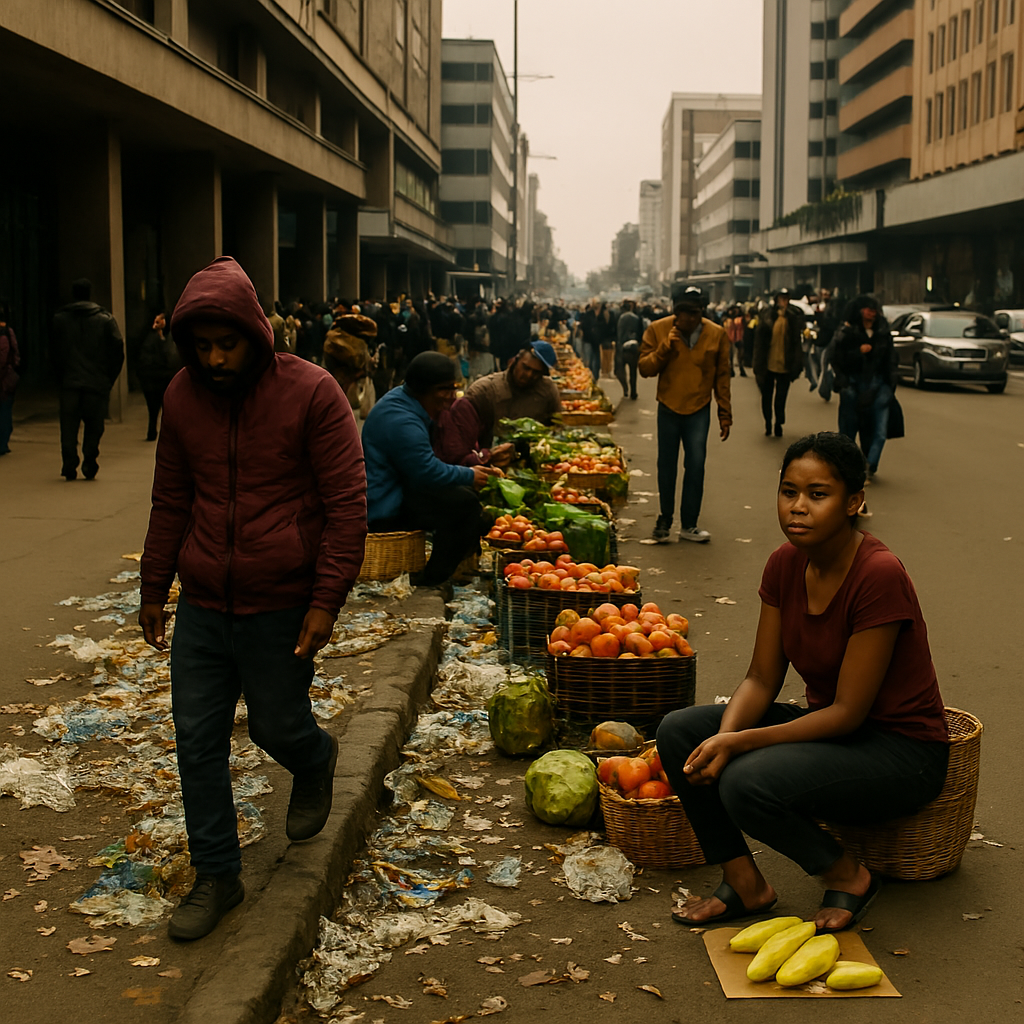
Harare City Council once again find itself under scrutiny as the informal economy flourishes, overshadowing licensed businesses and creating an urban environment that threatens the health, convenience and safety of residents.
Rampant street vending has aroused a lot of concerns as residents are now finding it difficult to manoeuvre through the litter-strewn streets and obstructed sidewalks, triggering a growing public health risk.
Vending has become pervasive across Harare’s streets, with vendors selling everything from food and clothing to second-hand goods. Unfortunately, this vibrant marketplace comes with dire repercussions.
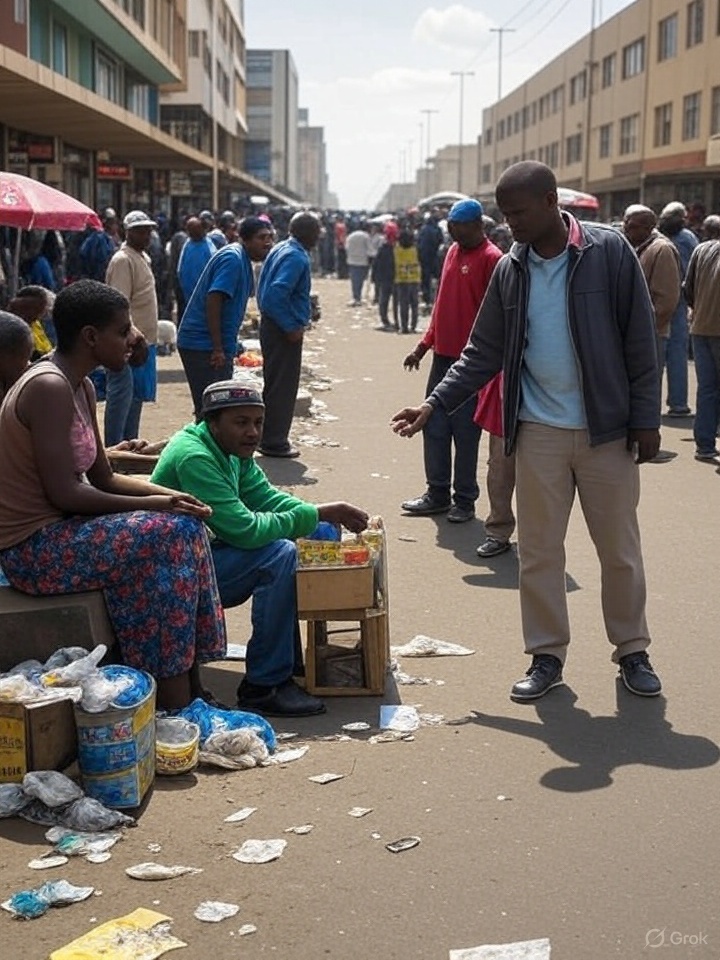
Sidewalks are cluttered with discarded items, food waste, and human refuse, creating a chaotic and unsanitary environment caused by unregulated vendors selling everything from food and clothing to second-hand goods.
This lack of adequate sanitation facilities has forced many vendors to relieve themselves in public spaces, leading to alarming health risks.
“I can barely walk down the street without stepping over trash,” laments local resident Tinashe Dube. “It’s not just ugly; it’s dangerous for our health.”
Dr. Nyasha Chireka, a public health expert, warns, “As the rainy season approaches, the risk of waterborne diseases like cholera and typhoid becomes more acute. The current conditions in Harare are a public health disaster waiting to happen.”
Licensed shops, which adhere to regulations and pay taxes, find themselves overshadowed by the informal market as the sheer number of vendors has created significant obstruction for shoppers and formal businesses alike.

“We’re losing customers every day,” says Sarah Mutasa, a shop owner in the city center. “How can we compete with vendors who don’t pay any taxes or fees?”
The presence of vendors has transformed once-bustling commercial areas into congested thoroughfares, deterring potential customers.
“It’s frustrating, we invest in our businesses, but the streets are taken over by those who don’t follow the same rules.” added another shop owner, who requested anonymity.
While many vendors operate outside the law, their motivations are rooted in economic necessity.
Patricia Nyoni, a street vendor, explains, “We’re just trying to make a living. There are no jobs, and this is our only option.” However, she acknowledges the challenges posed by poor sanitation and the need for better facilities.
“I understand the concerns about cleanliness,” she admits. “We want to work, but we also want to keep the streets clean. It’s a tough situation.”
The Harare City Council faces mounting pressure to address these issues, and the residents are questioning whether the council has a comprehensive plan to tackle the crisis.
Harare stands at a critical juncture, where the struggle between street vendors and formal businesses intensifies.
The city’s streets are marred by litter and health risks, and the Harare City Council must act decisively to restore order.
Without a comprehensive strategy that addresses both the needs of vendors and the imperative of public health, Harare risks descending into chaos, stifling the potential for legitimate business growth and urban revitalization.



