JOHANNESBURG, 17 August 2026 — South Africa and Zimbabwe are set to deepen bilateral trade and investment relations when business and government leaders from the two countries meet at the South Africa–Zimbabwe Business Forum in Midrand on Friday.
The forum, hosted by South Africa’s Department of Trade, Industry and Competition (the dtic), will take place on 21 August 2026 at the Gallagher Convention Centre on the margins of the South Africa–Zimbabwe Bi-National Commission (BNC).
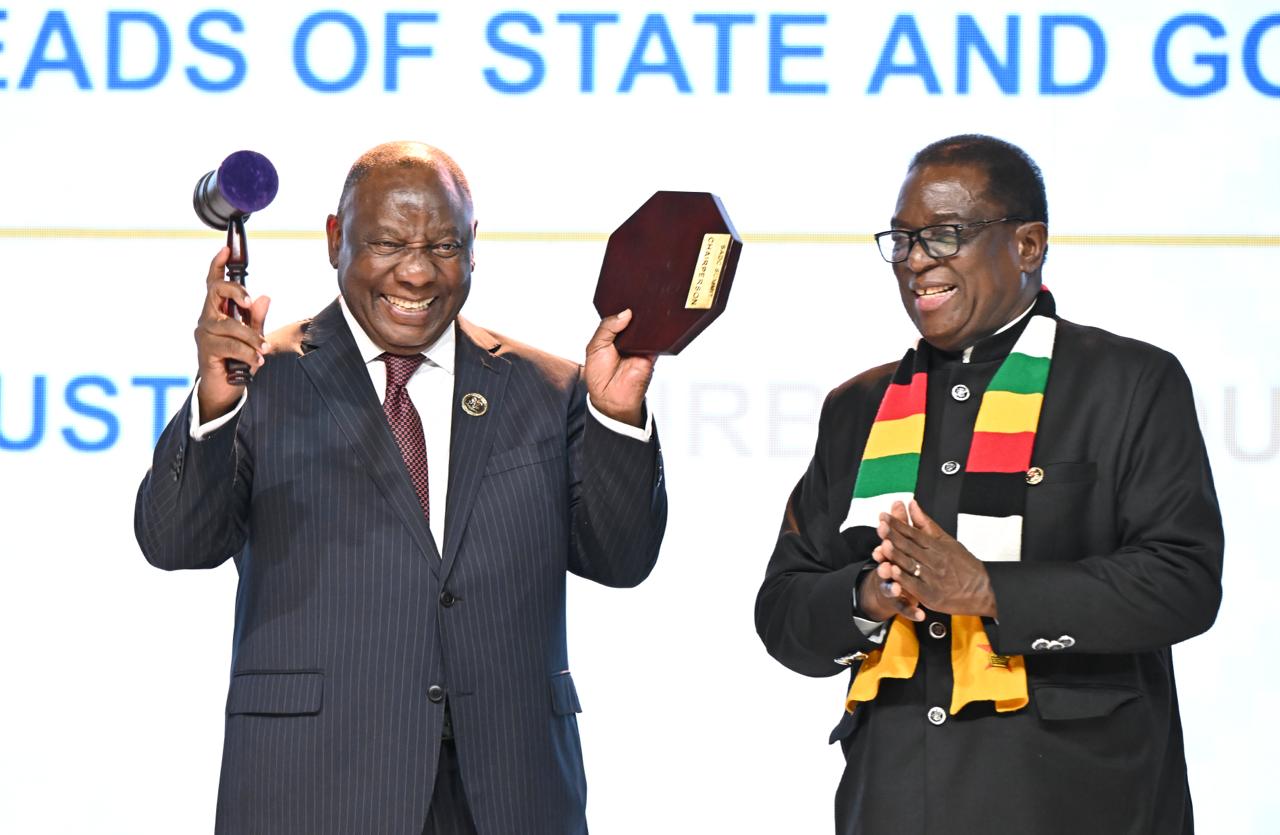
South African President Cyril Ramaphosa and Zimbabwean President Emmerson Mnangagwa are expected to address the gathering, placing economic cooperation and private-sector participation at the centre of discussions between the neighbouring countries.
The forum will bring government and business representatives together to identify opportunities to increase bilateral trade, attract investment and develop sustainable commercial partnerships.
Discussions are expected to focus on transport and logistics connectivity, regional value chains, cooperation between industrial and special economic zones, manufacturing, technology transfer and capital equipment.
A key focus will also be on practical barriers that constrain cross-border commerce, particularly trade facilitation, transport and logistics.
From Political Relations to Commercial Partnerships
The business forum forms part of the official BNC programme and is intended to complement government-to-government engagements by creating a direct platform for private-sector participation.
South Africa and Zimbabwe have longstanding commercial ties, with businesses operating across sectors including mining, agriculture, manufacturing, financial services, retail, energy, telecommunications and logistics.
The forum is expected to explore how those existing economic linkages can be expanded into deeper industrial cooperation and more integrated regional value chains.
South African Minister of Trade, Industry and Competition Parks Tau said the engagement reflected the commitment of both governments to unlocking new opportunities for enterprises in the two countries.
“South Africa and Zimbabwe enjoy longstanding economic and commercial relations that continue to contribute to regional growth and development,” Tau said.
He said the forum would provide a platform for government and business to identify practical measures for increasing trade, facilitating investment and strengthening industrial cooperation for the mutual benefit of both countries.
Regional Value Chains in Focus
The discussions come as Southern African countries seek to strengthen regional production networks and increase intra-African trade rather than relying predominantly on the export of raw materials and importation of finished goods.
Cooperation between industrial and special economic zones could enable businesses in South Africa and Zimbabwe to participate in interconnected production systems in which raw materials, intermediate products, technology, capital equipment and finished goods move across borders.
Tau said stronger partnerships between businesses in the two countries could help build more resilient regional value chains while advancing the objectives of the African Continental Free Trade Area (AfCFTA).
“The dtic remains committed to supporting initiatives that enhance intra-African trade, promote value-added production and improve the competitiveness of our industries,” he said.
Tau added that engagements such as the business forum should generate commercial opportunities capable of supporting inclusive economic growth, industrial development and sustainable employment across the region.
Turning Diplomacy into Business
The forum also places the South Africa–Zimbabwe economic relationship within the wider regional integration agenda pursued through the Southern African Development Community (SADC) and AfCFTA.
While the BNC provides the institutional framework through which the two governments manage bilateral relations, the business forum is designed to connect those political commitments with enterprises capable of investing, producing, trading and creating employment.
The challenge will therefore extend beyond identifying opportunities to translating discussions into bankable investments, commercial agreements and functioning cross-border value chains.
With Ramaphosa and Mnangagwa expected to address the gathering, the forum will provide an opportunity for the two governments to signal their economic priorities while businesses examine where capital, productive capacity and markets can be connected across the border.
Its success will ultimately be measured not simply by the commitments announced in Midrand, but by the trade, investment and commercial partnerships that follow.