
Rule of Law & Governance
Ramaphosa Calls for Renewed Commitment to Reconciliation, Justice and Inclusive Growth at Ncome

Nquthu, KwaZulu-Natal – 16 December 2025
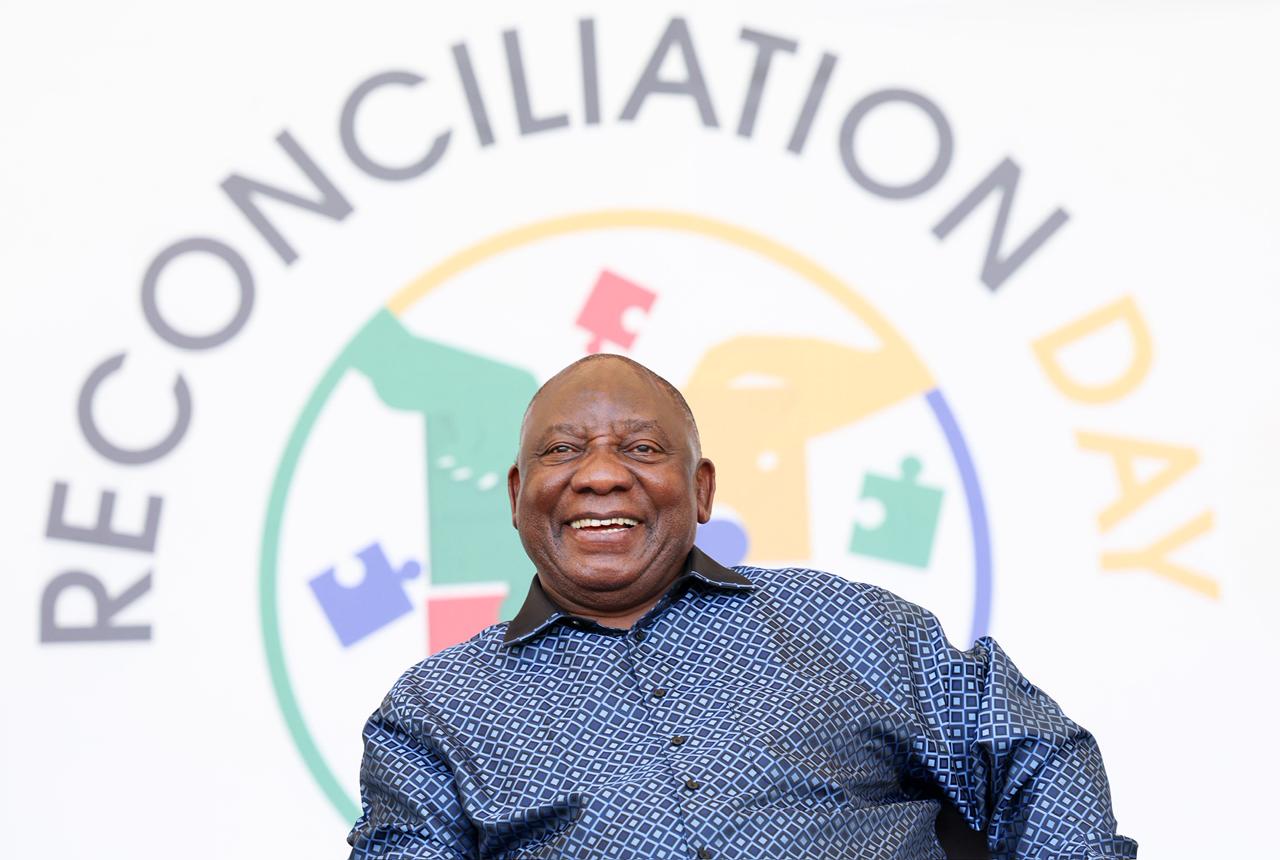
President Cyril Ramaphosa used the Day of Reconciliation to call on South Africans to deepen the work of nation-building by confronting historical injustice, tackling poverty and inequality, and resisting attempts to divide the country along racial and cultural lines.
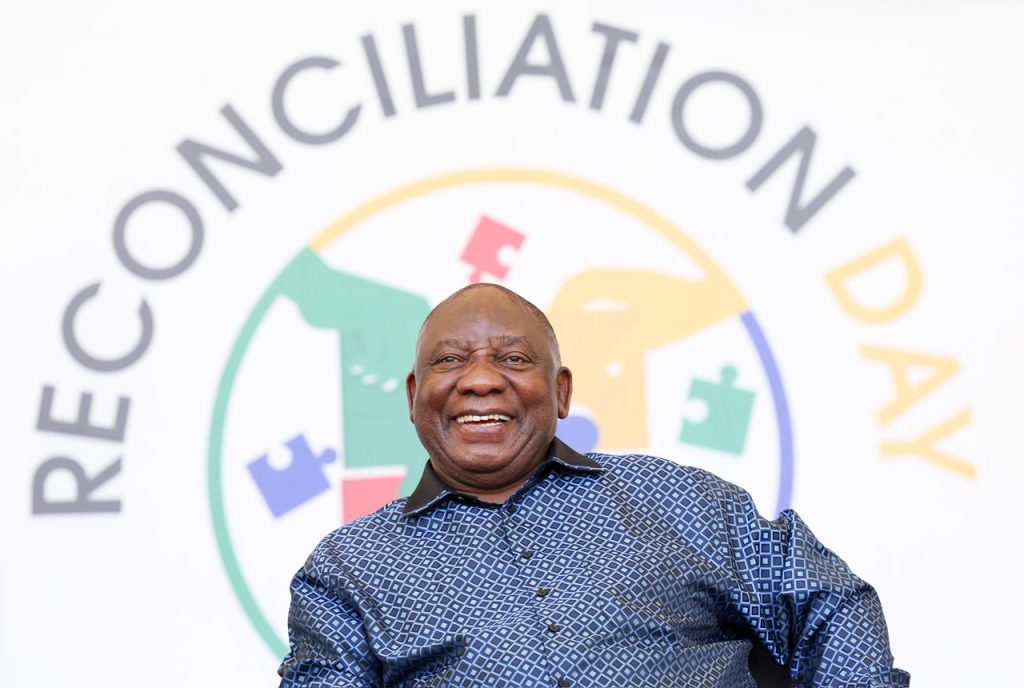
Delivering the national address at the eNcome Museum in Nquthu, KwaZulu-Natal, Ramaphosa reflected on the violent history associated with 16 December, marking the 1838 Battle of Ncome, in which more than 3,000 Zulu warriors died defending their land.
“It was here, more than 180 years ago, that brave warriors fell in defence of their ancestral land,” the President said, paying tribute to those who fought under the leadership of uDingane kaSenzangakhona and uNdlela kaSompisi. He described the encounter as a stark reminder of the asymmetry of colonial warfare, where “amaKlwa and iziHlangu were met with rifles, muskets and cannons”.
Ramaphosa said commemorating the day required honesty about the past and a shared commitment to a peaceful future. “Our democracy was built on reconciliation,” he said, noting that South Africans carry the scars of dispossession, political violence and state brutality, from the Battle of Ncome and the Bambatha Rebellion to Sharpeville, Boipatong and the Trojan Horse Massacre.
Despite this history, he said, South Africans chose reconciliation over revenge at the dawn of democracy. Quoting former President Nelson Mandela, Ramaphosa said freedom required not only the removal of chains, but living in a way that respected the freedom of others.
“We reconciled in 1994. We are still reconciling in 2025. We shall continue to reconcile because we are one nation,” he said.
Turning to present-day challenges, the President highlighted persistent underdevelopment in rural areas such as Nquthu and Msinga, calling for a new approach to youth unemployment that creates opportunities closer to where young people live. He pointed to the area’s rich cultural and historical heritage as a potential driver of local economic development, particularly through tourism linked to the battlefields of the Zulu Kingdom.
“The youth of this area should be welcoming, accommodating and feeding visitors,” he said, adding that cultural storytelling and performances should translate into income that uplifts local communities.
Ramaphosa also warned against what he described as deliberate efforts, both domestically and internationally, to portray South Africa as irredeemably divided. He said such narratives ignored evidence that most South Africans remain hopeful about democracy and believe race relations have improved since 1994.
“They do not show African, white, Indian and coloured children learning and playing together,” he said, citing everyday examples of social cohesion, including young Afrikaners embracing contemporary African culture and languages.
The President urged South Africans to engage constructively through the National Dialogue, an initiative aimed at forging a shared vision for the country’s future. “No person, no group and no community must be excluded,” he said, stressing that open discussion was essential to addressing poverty, inequality, crime, corruption and gender-based violence.
On gender-based violence, Ramaphosa issued a strong appeal to men to “harness the warrior spirit” to protect women and children. “Real men do not abuse women and children. Real men protect women and children,” he said, describing violence against women as a betrayal of cultural values and ancestral sacrifices.
Concluding his address, Ramaphosa emphasised unity in diversity, noting that South Africans could celebrate their distinct cultural identities while remaining firmly rooted in a shared national identity. He encouraged families to use the festive season to reconcile with one another and called for safe behaviour over the holidays.
“Let us work together for a better South Africa, which belongs to all who live in it, black and white, men and women, young and old,” the President said. “May God bless South Africa and protect its people.”



