




Industrialisation
Beyond Special Zones: Rethinking South Africa’s Industrial Future

By Isabela Pereira | Entrepreneur | Founder & CEO, SHE FITS | Mail and Guardian 200 Young South African 2026 – Entrepreneurship
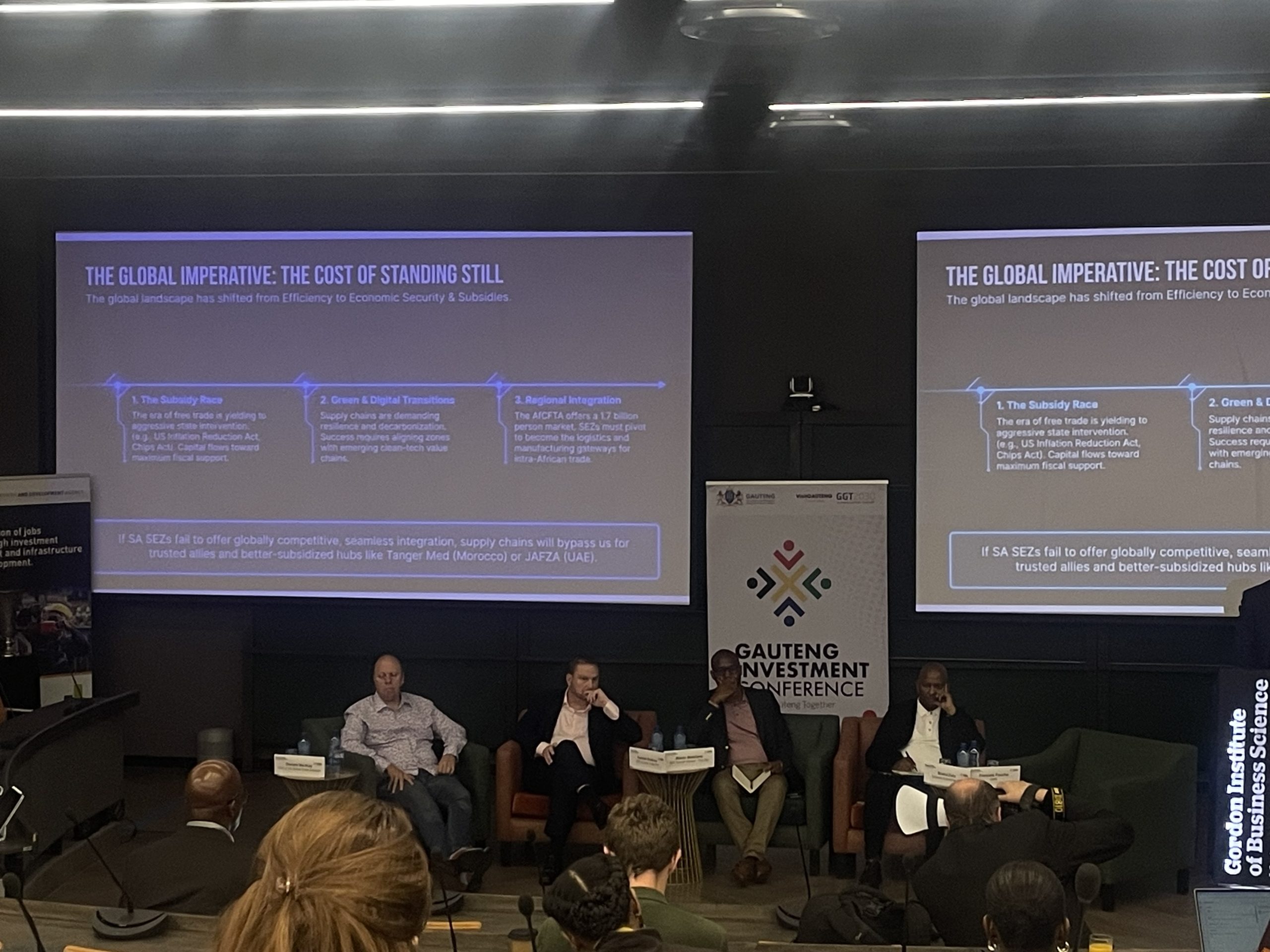
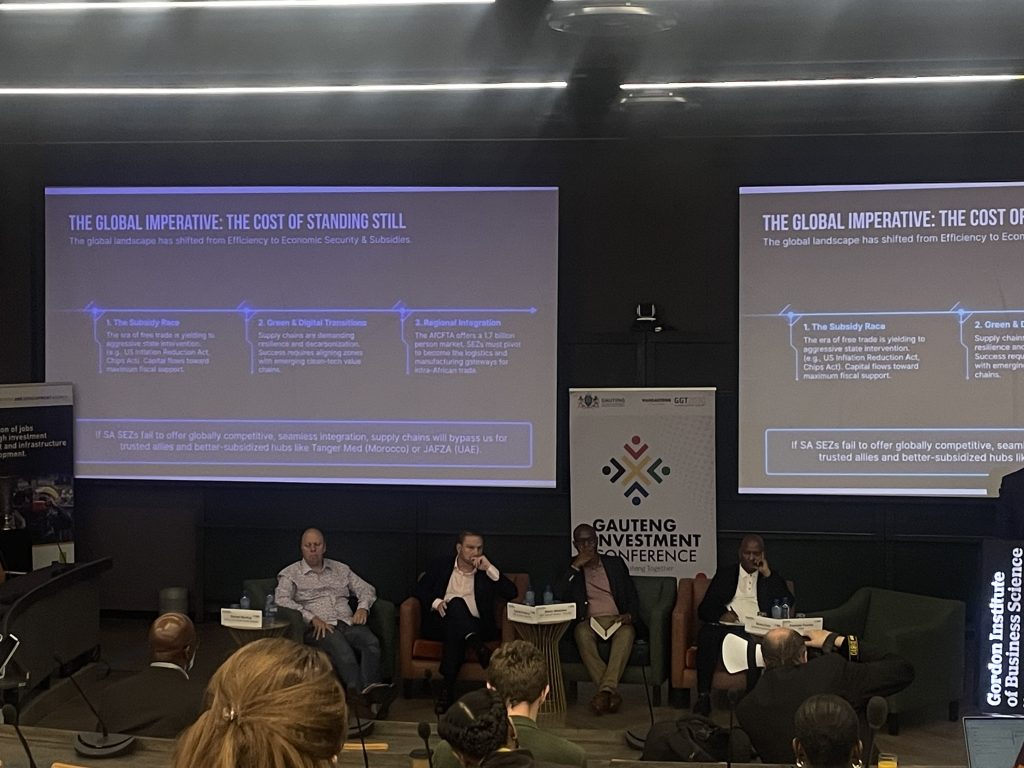
On 20 March 2026, I attended a Gauteng Investment Conference 2026 roadshow breakfast session at the Gordon Institute of Business Science (GIBS) in Illovo, Johannesburg. The discussion brought together government and industry leaders to examine the future of South Africa’s Special Economic Zones (SEZs) and their role in driving industrial development, investment and job creation.
One message stood out: South Africa’s Special Economic Zones must evolve into integrated industrial ecosystems if they are to deliver their full economic potential.
As a young entrepreneur interested in international business, cross-border trade and building connections between markets such as China and South Africa the engagement offered valuable insight into the systems that influence business growth and global competitiveness.
Closing the Value-for-Money Gap
The session formed part of the engagements leading up to the Gauteng Investment Conference scheduled for 9 April 2026.
Opening the discussion, Sithembiso Dlamini, acting CEO of the Gauteng Growth and Development Agency (GGDA), outlined the province’s vision for positioning SEZs as anchors of development corridors, connecting infrastructure investment with manufacturing-led growth.
A central theme was the need to close the “value-for-money” gap: ensuring that investments in industrial zones translate into measurable economic outcomes.
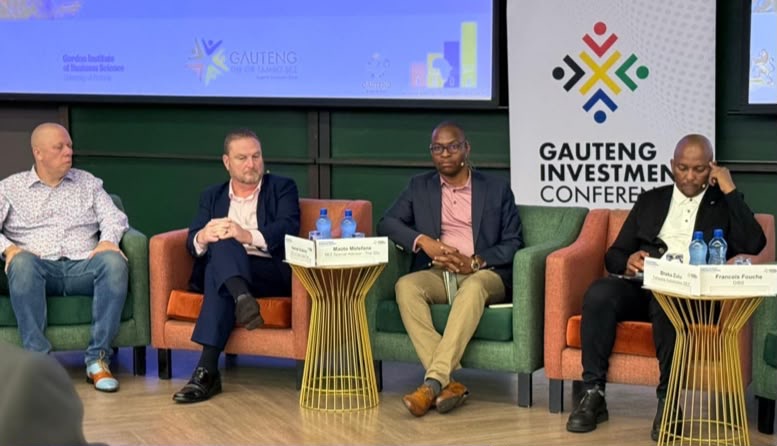
A central theme of the discussion was how to close the “value-for-money” gap in SEZ investments.
Far left: Donald MacKay
Left: Mr Hamish Erskine
Middle:Mr Maoto Molefane
Right : Dr Bheka Zulu
Trade expert Donald MacKay presented findings comparing local and international SEZ performance. While South Africa has made progress, structural and policy challenges continue to affect efficiency, investment attraction and export competitiveness.
Maoto Molefane, special adviser to the Minister of Trade, Industry and Competition and chairperson of the Tshwane Automotive Special Economic Zone (TASEZ), discussed the government’s Spatial Industrial Development Strategy. The strategy seeks to improve alignment between industrial spending and national development priorities.
The underlying question was important: how can South Africa ensure that investment delivers tangible results for businesses, workers and communities?
From Isolated Zones to Industrial Ecosystems
The discussion highlighted that SEZs must offer more than incentives or designated areas for business. Their effectiveness depends on how well they connect infrastructure, logistics, manufacturing, skills and access to markets.
Hamish Erskine, CEO of Dube TradePort, reflected on the KwaZulu-Natal-based zone’s development, highlighting the importance of logistics integration, infrastructure planning and strong governance in supporting regional growth, employment and small businesses.
Dr Bheka Zulu, CEO of TASEZ, emphasised sector-focused development and strategic partnerships, including the role of major investors such as Ford in the zone’s growth.
These examples illustrated an important principle: successful industrial development requires coordination between government, investors, infrastructure providers and businesses.
The conversation also considered changing global trade dynamics and the rise of new energy vehicles (NEVs), reinforcing the need for South Africa’s industrial zones to adapt to emerging technologies and evolving manufacturing priorities.
Why This Matters to Entrepreneurs
For entrepreneurs, industrial policy can sometimes seem distant from the everyday realities of running a business. However, the decisions made in these spaces can influence access to markets, supply chains, manufacturing opportunities and the cost of doing business.
As the Founder and CEO of SHE FITS, I am interested in understanding how international sourcing, manufacturing and trade can support the long-term growth of a South African business.
Questions around logistics, infrastructure and global competitiveness are therefore not simply policy matters. They are practical considerations for entrepreneurs who want to expand beyond local markets.
South Africa’s participation in regional trade, including through the African Continental Free Trade Area (AfCFTA), also makes industrial integration important. Businesses need systems that enable them to move goods efficiently, build reliable partnerships and reach customers across borders.
Exposure to conversations like these helps young entrepreneurs understand the broader economic environment in which their businesses must operate.
Turning Investment into Opportunity
My key reflection from the engagement was that investment should be measured not only by the capital committed, but also by the economic opportunities it creates.
Integrated industrial ecosystems have the potential to strengthen manufacturing, support local suppliers, expand exports and contribute to job creation. Achieving these outcomes, however, requires effective implementation, accountability and sustained collaboration between the public and private sectors.
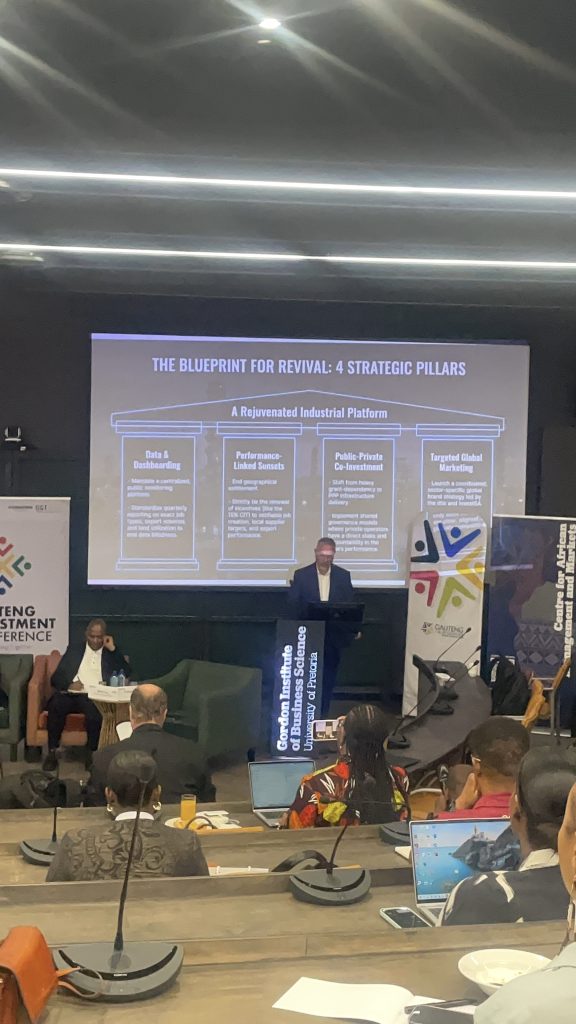
For South Africa, the challenge is to turn industrial ambitions into measurable progress. For young entrepreneurs, understanding these developments is an opportunity to identify where our businesses can contribute and how we can prepare to participate in a changing economy.
As I continue my entrepreneurial journey, I want to remain engaged in conversations that connect business development with investment, trade and Africa’s broader economic future.
Building competitive businesses requires more than good ideas. It requires understanding the systems, partnerships and markets that make sustainable growth possible.
About the Author
Isabela Pereira is a South African entrepreneur, speaker and Founder & CEO of SHE FITS, a women’s activewear and wellness business. She was recognised among the Mail & Guardian 200 Young South Africans 2026 in the Entrepreneurship category.
Her work and interests span entrepreneurship, women’s economic empowerment, youth development, regional trade, international business and community building. Through her entrepreneurial journey, she is passionate about creating connections that open pathways to opportunity for young people and women across Africa and beyond.













You must be logged in to post a comment Login