







Education & Youth
JUNE 16: Honouring the Past, Leading the Future – Africa’s Youth at the Helm of Global Transformation

On the morning of 16 June 1976, a young student named Murphy Morobe dressed in his school uniform, gripped by a quiet resolve. Hidden in his bag was a hand-made banner that read: “Down With Afrikaans.” As he stepped out into the winter air, he joined thousands of fellow students across Soweto who shared a single mission—to peacefully oppose the apartheid government’s decree mandating Afrikaans as a medium of instruction in black schools.
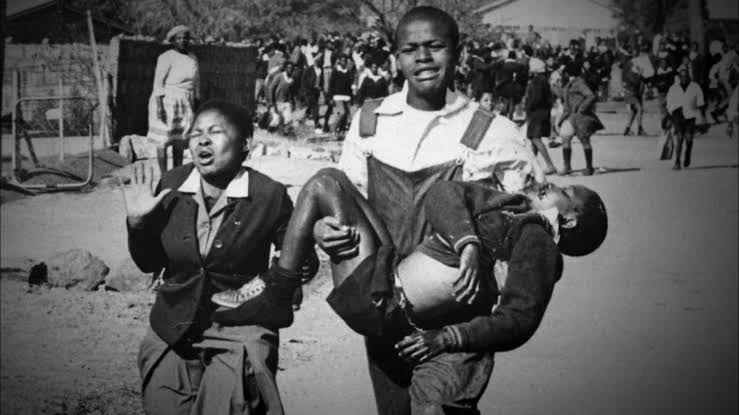
That day, over 20,000 young South Africans took to the streets. What began as a peaceful demonstration became a tragedy that shook the world. Hundreds of lives were lost—most of them young, their futures erased in an instant, yet their courage immortalised in the conscience of a nation.
The Soweto Uprising was not merely a protest. It was a declaration. A generation rose not only against a language policy but against a system that denied black South Africans the right to dream, to thrive, and to define their own future. Their sacrifice planted the seeds of freedom and laid the foundation for a more just and equitable South Africa.
Today, we do not only remember—we recommit.
Africa’s Call: From Memory to Movement
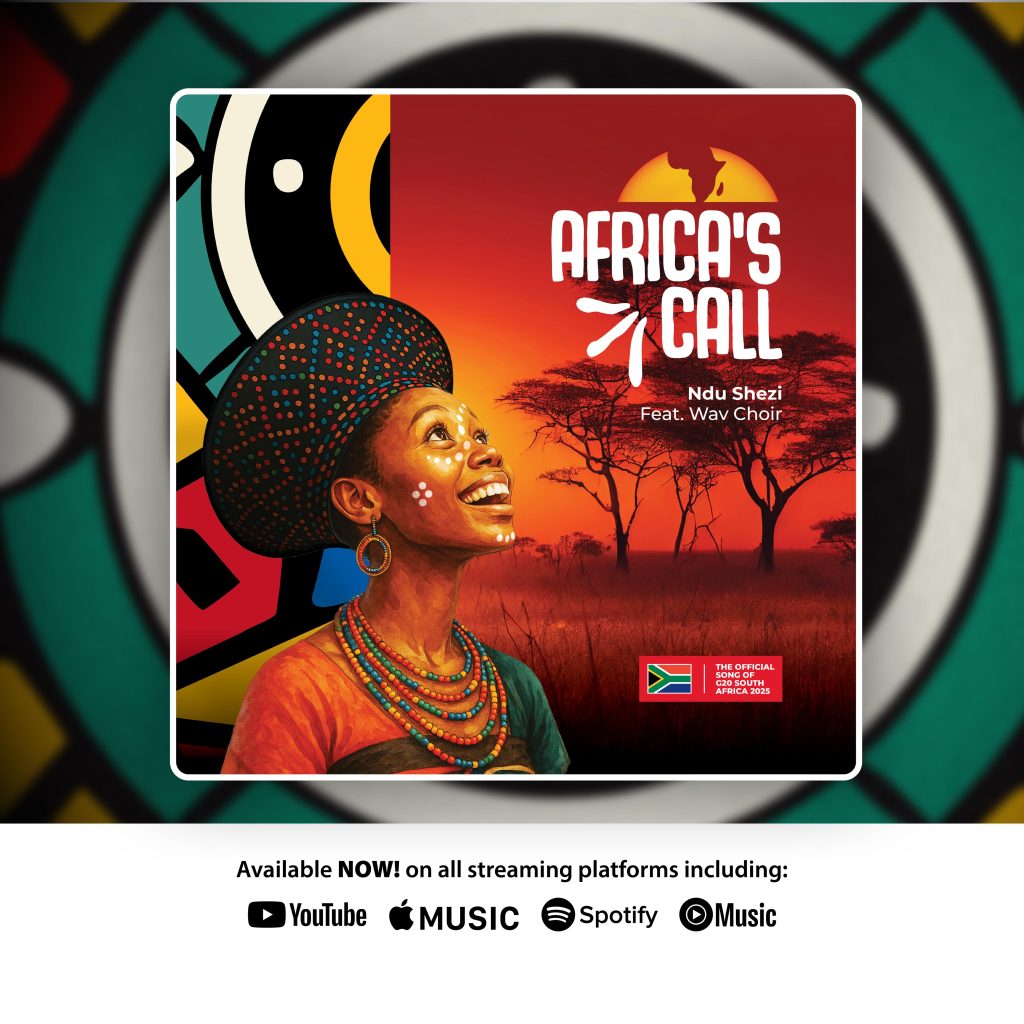
In 2025, South Africa holds the Presidency of the G20. This moment is more than symbolic—it is historic. Under this banner, South Africa has launched Africa’s Call, the official G20 anthem, as a unifying message of hope, dignity, and shared purpose across the African continent and the world. It calls for a renewed commitment to justice, equality, sustainability, and peace. It honours the past while casting a bold vision for the future—a future shaped by young African voices.
Africa’s Call is not just a song; it is a strategy.
It is a reminder that we must centre African solutions in global discourse and position our youth not on the margins, but at the heart of decision-making.
The Y20 Summit: A Platform for Intergenerational Policy Innovation
As part of its G20 Presidency, South Africa is proud to host the Y20 Summit, a global youth engagement platform that gives young people a formal voice in shaping international policy. This is a historic opportunity for Africa’s youth to present their ideas and influence outcomes on critical issues such as education, entrepreneurship, digital transformation, climate action, and inclusive governance.
The Y20 embodies the very spirit of 16 June. Where young people once marched in protest, they now stand poised to lead in policy. Through Y20, we are witnessing a transition from resistance to responsibility—youth no longer being spoken for, but speaking for themselves and future generations.
The Youth Dividend: Unlocking the Power of the Continent
Africa is the youngest continent in the world. This demographic reality presents both a challenge and a profound opportunity. If properly harnessed, the energy, creativity, and resilience of Africa’s youth can unlock a new era of sustainable development, economic dynamism, and social cohesion. However, this potential can only be realised if young people are equipped, empowered, and included.
We must confront the persistent barriers—youth unemployment, underrepresentation, lack of access to finance, and exclusion from policy spaces. The G20 Y20 platform and Agenda 2063 demand urgent, bold, and inclusive action to reverse this trajectory.
It is time to move from rhetoric to reform. From passive participation to empowered partnership.
Conclusion: From the Streets of Soweto to the Stages of Global Influence
The story of June 16 is not just South Africa’s—it is Africa’s. It is the story of what becomes possible when young people believe they are the custodians of change. As we commemorate Youth Day in 2025, under the theme of “Africa’s Call: Youth Leading Global Transformation”, let us be reminded:
That protest without purpose is not enough—our actions must now shape policy.
That memory without movement dishonours the legacy of our youth—our leadership must now be generational.
That hope without structure is fragile—our institutions must now reflect the dynamism and diversity of Africa’s youth.
To every young African:
You are never too young to lead, and never too small to make a difference.
It starts with us.
And I am the us.



