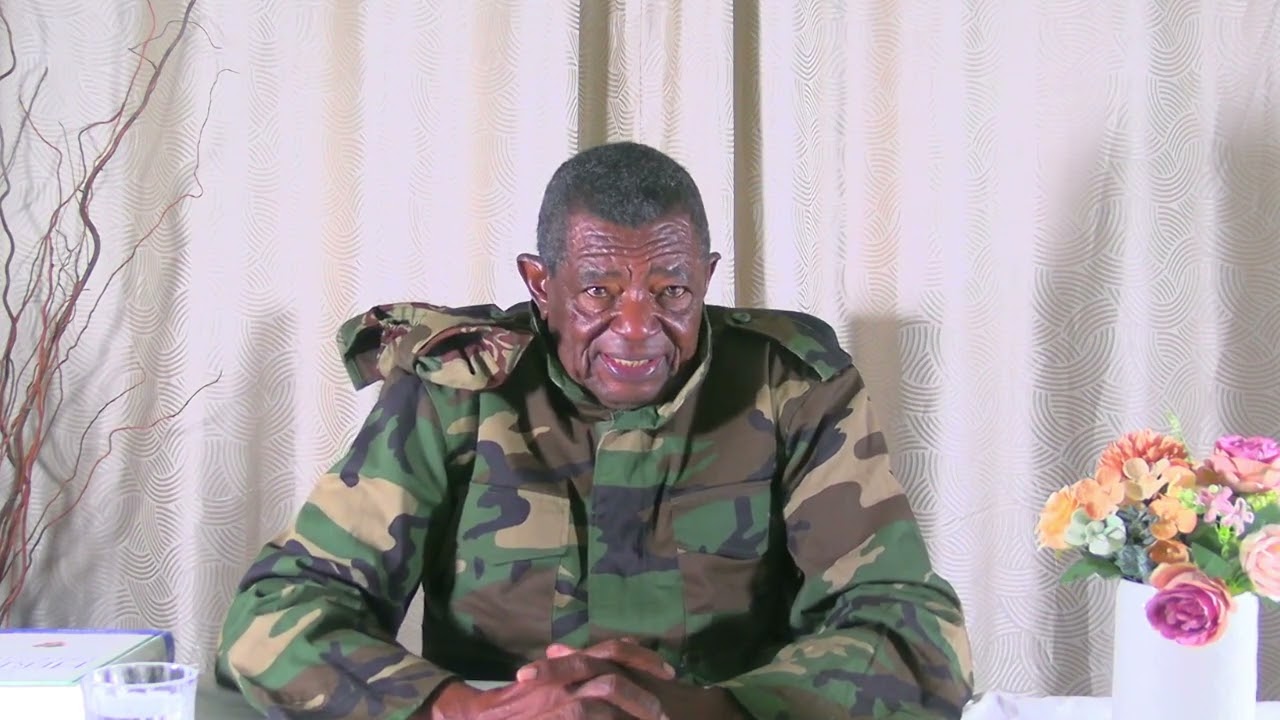
Harare, April 20, 2025 — Zimbabwe is on edge as Blessed “Bombshell” Geza, a firebrand war veteran and former ZANU-PF stalwart, has called for a nationwide shutdown on April 22–23, 2025, demanding the immediate resignation of President Emmerson Mnangagwa. The announcement, delivered through impassioned online broadcasts from an undisclosed location, marks Geza’s boldest move yet in his campaign to unseat Mnangagwa, whom he accuses of economic mismanagement, rampant corruption, and plotting an unconstitutional extension of his presidency beyond 2028. As the nation grapples with a collapsing economy and deepening political divisions, Geza’s call for peaceful protests threatens to plunge Zimbabwe into another tense standoff.
A Veteran’s Rebellion
Once a loyal ZANU-PF Central Committee member and a veteran of Zimbabwe’s 1970s liberation war, Geza has emerged as an unlikely revolutionary. Expelled from the ruling party on March 7, 2025, for “treasonous” conduct, he has since positioned himself as a champion of the disenfranchised, rallying war veterans, unemployed youths, and civil servants battered by economic hardship. His regret for supporting Mnangagwa’s 2017 rise to power fuels his crusade, with Geza now accusing the president of betraying Zimbabwe’s liberation ideals.
Geza’s latest shutdown call builds on the success of his March 31, 2025, protest, which saw businesses shuttered, schools deserted, and streets eerily quiet across Harare, Bulawayo, and Mutare. Despite low protester turnout due to heavy police presence, the stay-away disrupted normalcy, earning praise from analysts like Ibbo Mandaza as a “massive political statement.” Now, Geza is doubling down, urging Zimbabweans from “Plumtree to Mutare, Zambezi to Limpopo” to halt all industries and services for two days in a show of defiance against what he calls a “failed leadership stealing our future.”
The Grievances: Corruption, Economic Collapse, and a “2030 Agenda”
At the heart of Geza’s campaign is a litany of grievances against Mnangagwa’s administration. Zimbabwe’s economy is in freefall, with the Zimbabwe Gold (ZiG) currency collapsing and inflation driving up living costs. Over 70% of the population lives below the poverty line, while civil servants’ salaries have been eroded by currency devaluation. Geza has also accused Mnangagwa of fostering corruption, alleging that the president’s associates exploit his name to secure dubious deals.
Most controversially, Geza claims Mnangagwa suffers from vascular dementia and is unfit to govern, a charge that has sparked debate but lacks independent verification. He further alleges that Mnangagwa is orchestrating a “2030 agenda” to extend his presidency beyond the constitutional limit of 2028, potentially establishing a political dynasty through his family. Geza’s solution? Mnangagwa’s resignation and the ascension of Vice-President Constantine Chiwenga, a former army chief and a key figure in the 2017 coup that ousted Robert Mugabe.
A Nation Divided
Geza’s announcement has ignited polarized reactions. On platforms like X, hashtags like #gezarevolution are gaining traction, with users like
@jnrflacko and
@Mwanawa_chihera amplifying calls for action. Many Zimbabweans, frustrated by economic woes and political repression, see Geza as a voice for the voiceless. Yet others remain skeptical, viewing him as a ZANU-PF insider-turned-opportunist whose alignment with Chiwenga’s faction hints at a power struggle rather than genuine reform. Socialite Passion Java dismissed the March 31 shutdown as an “April Fools’ prank,” reflecting the cynicism of some.
The government, meanwhile, is bracing for impact. Authorities have ramped up security, with police and military patrols intensifying in urban centers. The regime downplayed the March 31 shutdown, claiming normalcy, but the arrests of 95 people for promoting public violence signal a readiness to crack down. Military Intelligence is reportedly hunting Geza’s supporters, using social media and video footage to identify protesters, while allegations of “death squads” targeting his group have heightened fears.
A Fragile Political Landscape
Geza’s shutdown call exposes the fault lines within ZANU-PF and Zimbabwean society. The ruling party is grappling with internal divisions, with factions opposing Mnangagwa’s rumored plans to extend his rule. Geza’s vocal support for Chiwenga has fueled speculation about the vice-president’s ambitions, though Chiwenga has remained silent. Party loyalists like Chris Mutsvangwa have dismissed Geza as a “drunkard” and defended Mnangagwa’s constitutional term, but the growing unrest underscores the president’s fragile grip on power.
Analysts are divided on the shutdown’s potential impact. Eldred Masunungure, a political scientist, argues that while Geza’s actions highlight public discontent, Zimbabweans remain wary of confronting a “vicious” government, scarred by past violent suppressions. Takura Zhangazha notes that Geza’s support stems more from economic desperation than trust in his leadership, given his ZANU-PF roots. Yet the March 31 shutdown’s success in paralyzing cities suggests Geza wields significant influence, even from hiding.
What Lies Ahead?
As April 22 approaches, Zimbabwe faces a critical juncture. A successful shutdown could embolden Geza’s movement, potentially forcing concessions from Mnangagwa’s government. Geza has hinted at engaging MPs for an impeachment process, citing Mnangagwa’s alleged mental incapacity, but such a move faces steep legal and political barriers. Conversely, a heavy-handed government response risks escalating tensions, with mass arrests or violence potentially galvanizing further resistance.
The public’s response remains the wildcard. Fear of police brutality, rooted in memories of deadly crackdowns, may limit street protests, as seen in March. Many Zimbabweans may opt for stay-aways rather than public demonstrations, a tactic that disrupts but lacks the visibility of mass marches. Geza’s reliance on online mobilization and underground networks, while effective, limits his ability to counter the regime’s security apparatus.
A Test for Zimbabwe’s Future
Geza’s April 22–23 shutdown is more than a protest—it’s a referendum on Mnangagwa’s leadership and Zimbabwe’s trajectory. For a nation battered by economic collapse and political strife, the stakes could not be higher. Will Zimbabweans heed Geza’s call, risking confrontation with a formidable regime? Or will fear and division keep the streets quiet, allowing Mnangagwa to weather the storm?
As the shutdown looms, the world watches. For now, Geza’s voice echoes across Zimbabwe, a defiant cry for change in a nation at a crossroads. Whether it sparks a revolution or fades into suppression, the coming days will shape Zimbabwe’s future.
For updates, follow credible sources like BBC, Al Jazeera, or local outlets like NewsDay. The situation is evolving rapidly.