




Zimbabwe
Zimbabwe in Turmoil: Political Illiteracy or Strategic Silence?

Harare, Zimbabwe – The political landscape in Zimbabwe was once again thrust into the spotlight on March 31st when a protest led by Blessed “Bombshell” Geza called for President Emmerson Mnangagwa to step down. The demonstration, which has come to be known as M31, sparked a mix of reactions from political observers and the public alike, with many questioning its impact and the subsequent silence from the President.
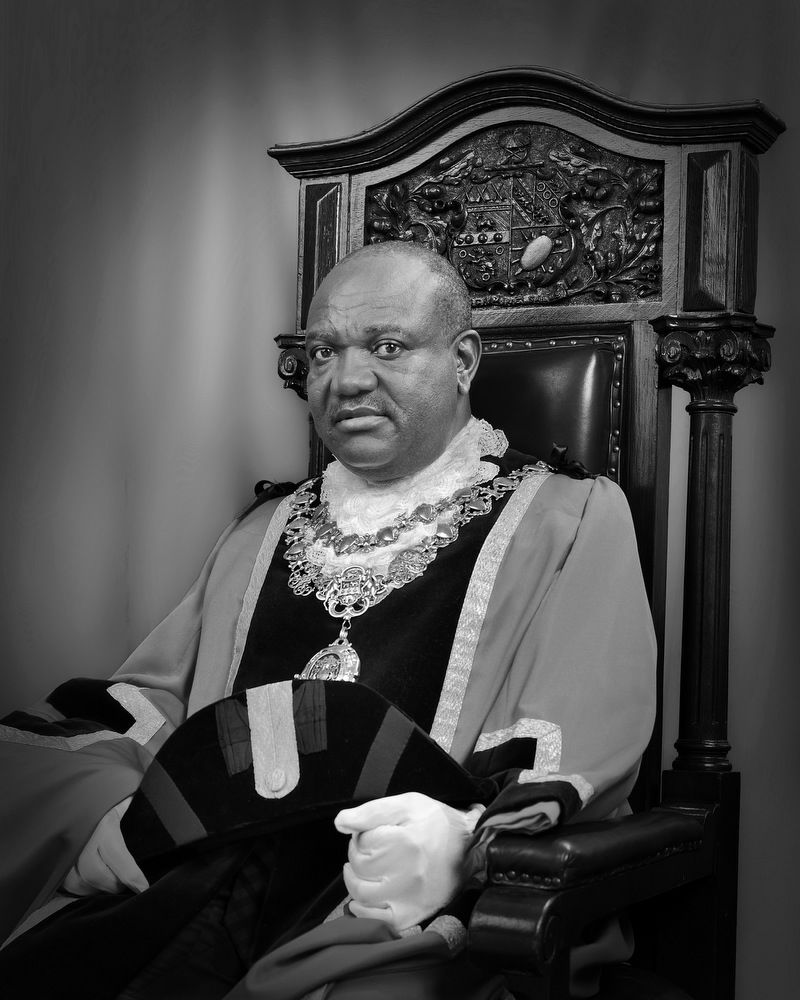
Former Harare mayor, Ben Manyenyeni, weighed in on the unfolding events, cautioning against simplistic interpretations of the protest. He emphasized that political literacy remains a significant challenge in Zimbabwe, warning that what appears straightforward to the public may, in reality, be far more nuanced.
“Political stuff is not always what the ordinary eyes see,” Manyenyeni noted. “The abuse we have suffered in political spaces makes us all so new and naive about quite a number of matters political.”
Protest Size and Influence
One of Manyenyeni’s key observations was the apparent contradiction between the perceived scale of the protest and its actual influence. While on the surface, M31 may have appeared small and even insignificant—reportedly consisting of Geza and a handful of supporters—Manyenyeni argues that the protest’s impact should not be measured solely by turnout numbers.
“That someone hardly known just three months ago locked the country down all of Monday 31st cannot be ignored,” he asserted, emphasizing that the core message indeed reached its intended audience, sparking widespread discourse despite the modest demonstration.
The Silence of the President
In the days following M31, many political analysts and the general public have been struck by the absence of any direct response from President Mnangagwa himself. Manyenyeni contends that this silence only adds to the intrigue, suggesting that the fundamental issues raised by Geza have not been adequately addressed.
“Why has the State President, the focal point of the matters, not spoken specifically about the issues raised? That, to me, is the essence, the basic minimum he needs to do,” Manyenyeni said.
Brian Sedze, another prominent political analyst, echoed some of Manyenyeni’s sentiments while cautioning against underestimating the complexity of the situation. He noted that the protest could be part of a larger, more strategic operation, hinting at the involvement of intelligence units as seen in past political maneuvers.
The Bigger Picture: Internal Contradictions
Sanderz Makombe added another layer to the analysis by suggesting that the protest may reflect deeper internal contradictions within the ruling party, ZANU-PF. He argued that Geza’s remarks merely mirrored sentiments already widely shared in informal spaces, such as weekend social gatherings, raising questions about the real motivations and the unseen hand behind the demonstration.
“No President worth his salt will give audience to ‘bar talk’,” Makombe argued, downplaying the legitimacy of Geza’s demands while acknowledging the lingering internal rifts within the party.
A Wake-Up Call or Political Theater?
As the dust settles, Zimbabweans are left grappling with the implications of M31. Was it a genuine grassroots outcry against rampant corruption and governance failures, or an orchestrated political stunt? One thing is certain: the protest, despite its limited turnout, succeeded in shaking the political establishment and compelling ordinary citizens to engage in conversations often relegated to whispers.
In a nation where political literacy remains a formidable challenge, the real question may not be about the size or prominence of a protest, but rather about the weight of the message it carries—and whether the leadership will finally address the growing frustrations of the populace.



