HARARE – Zimbabwe is no stranger to storms, both literal and figurative, but as April 2025 unfolds, the country finds itself battered by a tempest of political infighting, economic desperation, and a populace too weary to march but too frustrated to stay silent. The past week alone has delivered a cascade of headlines that underscore a nation at a crossroads—one where the stakes couldn’t be higher.
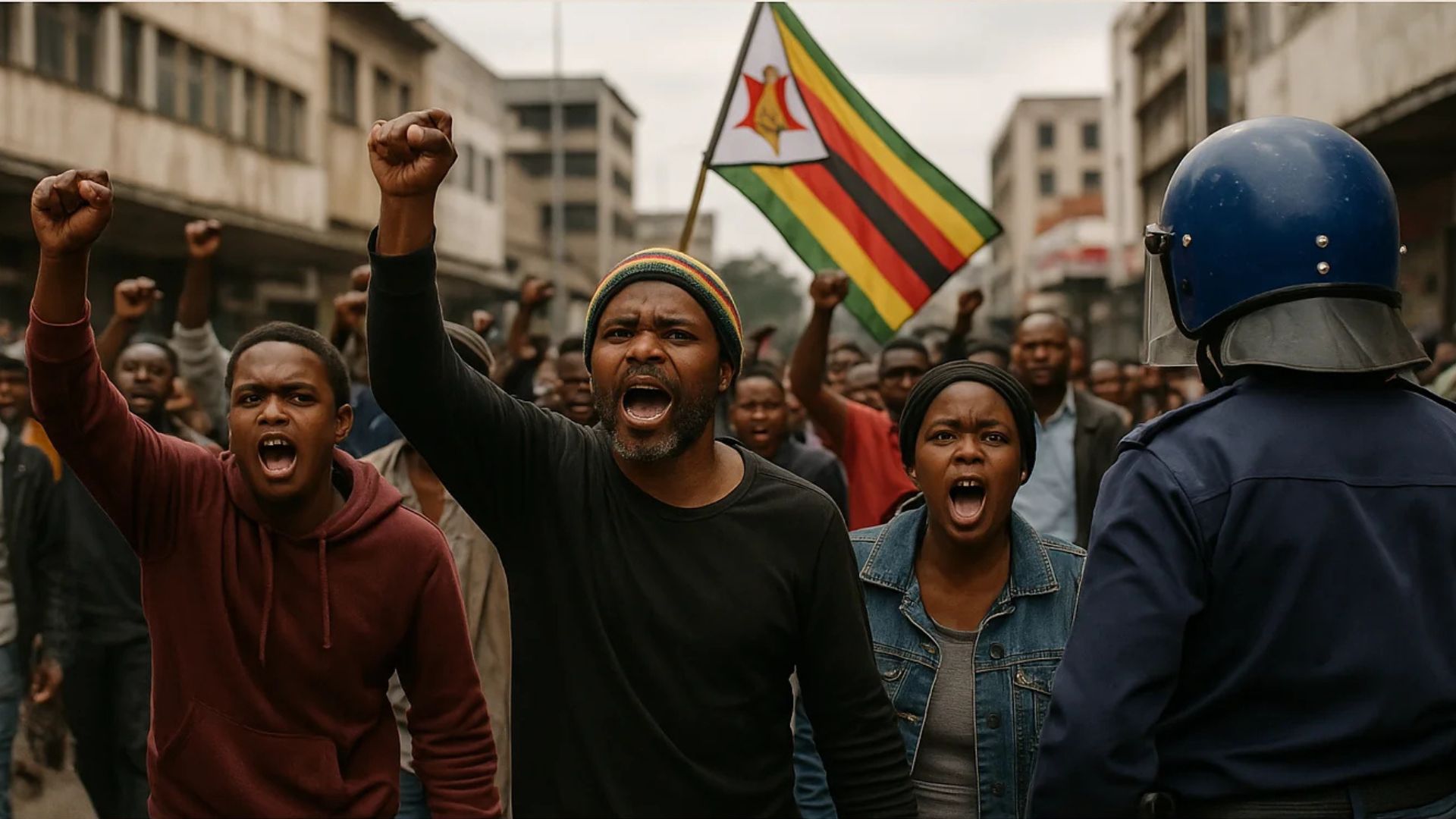
At the heart of the tumult is President Emmerson Mnangagwa, the 82-year-old ZANU-PF stalwart whose grip on power is looking shakier by the day. Rumors have swirled for months that Mnangagwa intends to cling to the presidency beyond his constitutionally mandated second term, which ends in 2028. His public denials have done little to quell the speculation, and now, dissent within his own party is bubbling to the surface. On April 1, a small but defiant protest led by Blessed Geza—a relatively obscure activist pushing for Vice-President Constantine Chiwenga to take the reins—saw 95 arrests in Harare. The heavy-handed police response, coupled with a paltry turnout, spoke volumes: Zimbabweans are angry, but exhaustion and fear are keeping the streets quiet for now.
Chiwenga, a former military chief with deep ties to the security apparatus, looms large in this drama. Many see him as the unspoken force behind the growing calls for Mnangagwa to step aside. The two men, once allies in the 2017 coup that ousted Robert Mugabe, now appear locked in a silent power struggle that could fracture ZANU-PF and plunge Zimbabwe into deeper instability. For a country that has endured decades of authoritarian rule, economic collapse, and international isolation, this internal rift feels less like a fresh wound and more like salt rubbed into an old one.
Meanwhile, Mnangagwa is playing a high-stakes economic game on the global stage. On April 6, he announced a bold move to suspend all tariffs on U.S. imports—a direct response to President Donald Trump’s recent imposition of an 18% tariff on Zimbabwean goods. Mnangagwa pitched it as a goodwill gesture, a bid to cozy up to Washington and boost trade ties. “In the spirit of constructing a mutually beneficial relationship with the United States,” he declared on X, the decision would “facilitate American imports” while promoting Zimbabwean exports. It’s a lofty promise, but the reality is less rosy. Analysts argue this unilateral tariff cut will flood Zimbabwe’s fragile markets with American goods, offering little in return for an economy already buckling under a liquidity crisis and the faltering ZiG currency. Dollarization, once a lifeline, now feels like an inevitability.
The ZiG, Zimbabwe’s gold-backed currency launched nearly a year ago, was meant to stabilize an economy plagued by hyperinflation and mistrust. Instead, it’s teetering on the edge, with cash shortages forcing businesses and citizens alike to lean harder on the U.S. dollar. Mnangagwa’s tariff gambit might win him a diplomatic nod from Trump, but it’s unlikely to ease the daily grind for Zimbabweans who can barely afford bread, let alone imported American luxuries.
Adding to the chaos, the arrest of former ZANU-PF activist Sybeth Musengezi on April 8—snatched mid-press conference by unidentified thugs—has reignited accusations of political repression. Musengezi, a vocal critic of the regime, was set to address the media when the disruption occurred, a stark reminder of the shrinking space for dissent. And in Mutare, the death of a Zimbabwean worker at a Chinese-run mine has sparked outrage, with calls for probes into labor conditions underscoring the uneasy relationship with foreign investors who dominate the country’s resource sector.
For the average Zimbabwean, this flurry of events is just another chapter in a long saga of survival. The low turnout at Geza’s protest wasn’t apathy—it was pragmatism. Years of crackdowns have taught people that raising their voices comes at a cost. Yet beneath the surface, discontent simmers. Mnangagwa’s tariff play might buy him time with the U.S., but it won’t fix the rotting infrastructure, the empty shelves, or the pervasive sense that the ruling elite are more interested in power than progress.
As April marches on, Zimbabwe stands at a precipice. Will Chiwenga make his move? Can Mnangagwa weather the storm within his own ranks? And what does it mean for a nation that’s been promised change time and again, only to see the same old script replayed? One thing is clear: the answers won’t come easy, and the people of Zimbabwe—resilient as ever—will bear the brunt of whatever comes next.