








Business & Economy
Digital Transformation in Public Finance: Dr. Duncan Pieterse Opens International Conference

19 November 2024 — Johannesburg, South Africa
The global evolution of public finance management (PFM) in the digital age took center stage today as Dr. Duncan Pieterse, Director-General of South Africa’s National Treasury, addressed the International Conference on Public Finance in the Digital Era. Hosted by the Collaborative Africa Budget Reform Initiative (CABRI), the event convenes policymakers, technologists, and development partners to explore innovative approaches to managing public resources.
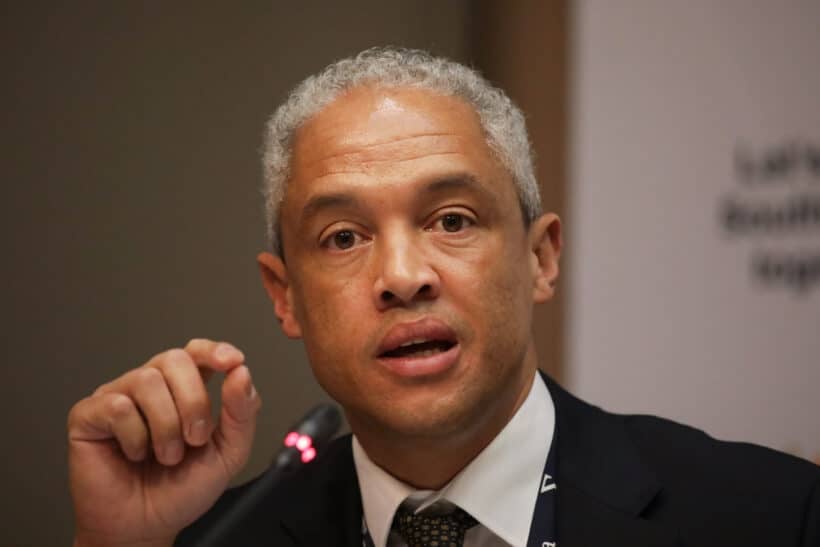
In his opening remarks, Dr. Pieterse emphasized the transformative potential of digital technology in revolutionizing fiscal policy design and resource management. “The convergence of digital technology and public finance presents a unique opportunity to elevate PFM beyond transactions, compliance, and transparency to strategic roles such as evidence-based policymaking, efficient service delivery, and fostering accountability,” he stated.
Opportunities in Digital Transformation
Dr. Pieterse highlighted how automation and advanced digital systems can reduce inefficiencies and enhance transparency in PFM. By optimizing budget allocation and expenditure tracking, governments can ensure resources are directed to high-impact areas. “Digital systems make financial data accessible to oversight bodies and the public, fostering trust and accountability,” he said.
National Treasury’s collaboration with the Presidency under Operation Vulindlela exemplifies these efforts. A roadmap for South Africa’s digital public infrastructure is being developed, with a focus on digital payments, digital IDs, and data exchange. Key outcomes include improved social grant disbursement, streamlined government services, and data-driven policymaking.
Addressing the Challenges
While the benefits of digital transformation are clear, Dr. Pieterse acknowledged significant barriers. Legacy systems, resistance to change, and limited technical expertise hinder progress. “Outdated technology fragments financial data, delaying decision-making,” he explained. Resistance within institutions, coupled with rigid procurement processes and poorly structured vendor contracts, exacerbates these challenges.
He called for an integrated approach to building in-house digital expertise, citing the need to invest in training professionals and reducing reliance on external vendors. Governance reforms to align priorities and streamline decision-making were also emphasized.
A Global Collaboration
The conference also underscores the importance of international cooperation. Under South Africa’s upcoming G20 presidency, the country aims to champion digital public infrastructure development, leveraging insights and financial support from global partners.
Dr. Pieterse urged governments to prioritize cybersecurity as systems digitize, ensuring sensitive data remains protected. He also called for collaboration with private sector players and donors to fund the costly development and maintenance of digital public infrastructure.
A Call to Action
As he concluded, Dr. Pieterse urged attendees to engage in dialogue and share best practices for navigating the fiscal challenges and opportunities of digitization. “Together, we can shape the future of public finance in this digital age,” he said.
The conference continues over the coming days, with workshops and panel discussions on leveraging digital tools for sustainable and inclusive fiscal growth.



