






International Relations
G20 Social Summit Issues Final Declaration Calling for Urgent Global Reforms

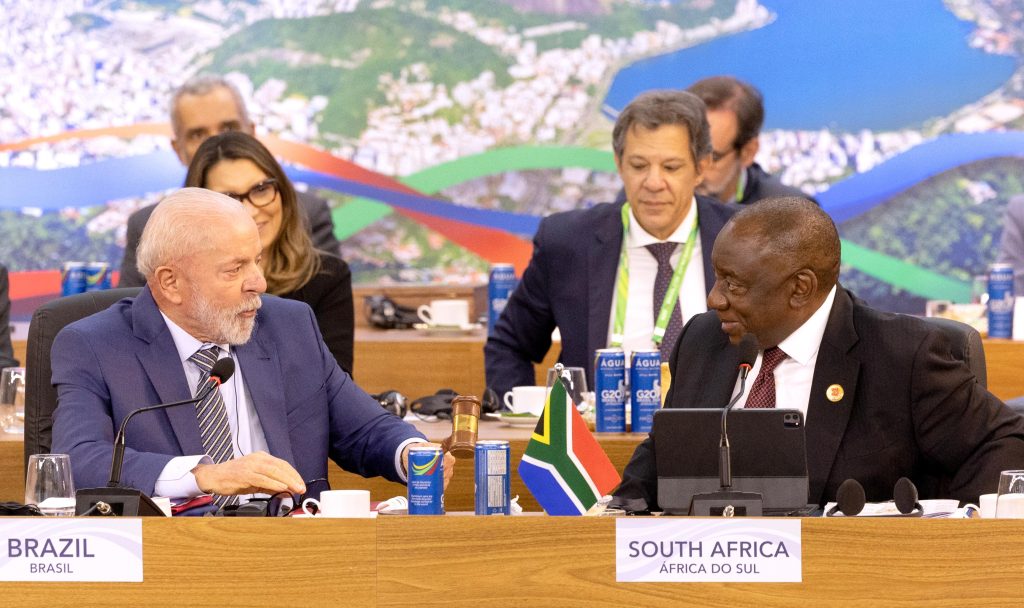
Rio de Janeiro, November 19, 2024 – The G20 Social Summit concluded today with the release of a Final Declaration addressed to world leaders gathering at the upcoming G20 Summit on November 18-19. Convened under Brazil’s G20 Presidency, the Summit marked the culmination of a year-long participatory process, bringing together diverse voices from global civil society. The declaration underscores critical proposals centered on the themes of fighting hunger and inequality, addressing climate change, and reforming global governance.
Amplifying the Voices of the Marginalized
Representing social movements and civil society organizations worldwide, the declaration stressed the importance of inclusive participation. It highlighted the experiences and demands of marginalized communities, including women, Black populations, indigenous groups, LGBTQIA+ individuals, and workers in both formal and informal economies. The document emphasized the need for these historically underrepresented groups to have a say in decisions affecting global geopolitics and economics.
Three Pillars of Global Transformation
- Fighting Hunger, Poverty, and Inequality
The declaration calls for immediate action through a Global Alliance Against Hunger and Poverty, aligned with the United Nations’ Sustainable Development Goals (SDGs). Key recommendations include:
•Establishing a specific fund to finance anti-hunger initiatives and ensure universal access to nutritious food.
•Promoting food sovereignty and agroecological practices, alongside equitable access to land and water.
•Advancing decent work standards in line with International Labour Organization (ILO) guidelines, combating exploitative labor practices, and formalizing labor markets to support vulnerable groups.
- Sustainability, Climate Change, and Just Transition
The declaration stressed the ethical responsibility of G20 nations to combat climate change, with measures including:
•Reducing greenhouse gas emissions and deforestation in adherence to the Paris Agreement.
•Supporting a just transition to a low-carbon economy that addresses energy poverty, social exclusion, and environmental racism.
•Establishing a Forever Tropical Forest Fund (FTFF) to protect biodiversity and tropical forests, while fostering sustainable livelihoods for local communities.
- Global Governance Reform
Highlighting the inadequacy of current governance models, the declaration demands structural reforms in international institutions, including:
•Modernizing the United Nations Security Council to ensure equitable representation of Global South nations.
•Advocating for fiscal justice through progressive taxation of the super-rich to finance social and environmental policies.
•Enhancing transparency, accountability, and civil society participation in decision-making forums.
A Call to Action
The declaration warned against the rise of authoritarianism, disinformation, and human rights violations, emphasizing the urgent need to defend democracy and the rule of law. Civil society leaders called on G20 countries to adopt ambitious commitments that prioritize social justice, environmental sustainability, and global peace.
“As millions face hunger, inequality, and climate emergencies, the time for bold action is now,” the declaration states. “With political will and solidarity, we can create a transformative agenda that ensures dignity and justice for all.”
As world leaders prepare to convene, the voices of civil society have been made clear: the fight for a fairer, more inclusive, and sustainable global future must begin today.



