



International Relations
Ramaphosa Welcomes New Envoys as South Africa Marks 30 Years of Constitutional Democracy


Tshwane, South Africa – 8 April 2026 — President Cyril Ramaphosa has welcomed newly appointed ambassadors and high commissioners accredited to South Africa, reaffirming the country’s commitment to constitutional values, multilateral diplomacy and economic partnership with the global community.

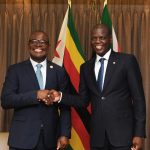
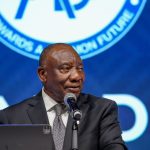
Speaking during a formal ceremony at the Sefako M. Makgatho Presidential Guest House in Tshwane on Wednesday, the President received the letters of credence of new heads of mission, marking the official start of their diplomatic tenure in South Africa.
Ramaphosa noted that the occasion comes at a significant moment for the country as it commemorates 30 years since the adoption of its democratic Constitution, describing the Constitution as the foundation of South Africa’s governance and international outlook.
“Our Constitution reflects the painful history from which we emerged three decades ago and the values we now cherish: human dignity, equality and freedom,” the President said. “These principles are neither transient nor negotiable. They shape the manner in which we govern ourselves and how we engage with the world.”
Constitutional Values Guiding Foreign Policy
Ramaphosa told the assembled diplomats that South Africa’s foreign policy is anchored in the same constitutional principles that guide its domestic governance — particularly respect for human rights, the rule of law and equality among nations.
He reiterated South Africa’s vision of a more just and equitable international order, one defined by peace, dialogue and cooperation rather than conflict.
“As a nation that emerged from injustice and inequality, we seek a world order defined by peace and friendship among all nations,” he said. “We seek a world where the gulf of inequality between nations is narrowed and where racism, colonialism and all forms of oppression are rejected.”
The President stressed that multilateral diplomacy and respect for international law remain central to addressing global challenges, including armed conflicts, climate change and rising global inequality.
Call for Diplomacy in Global Conflicts
Ramaphosa also addressed ongoing geopolitical tensions, welcoming the announcement of a ceasefire in the Middle East and expressing hope that it would lead to a lasting peace.
He reiterated South Africa’s longstanding position that conflicts should be resolved through dialogue, mediation and adherence to international law, calling on all nations to respect sovereignty and territorial integrity.
“Our world has become increasingly complex,” he said. “Global solidarity and deeper cooperation remain our surest means to overcome the challenges we face.”
Economic Recovery and Investment Drive
The President used the occasion to brief the new diplomats on South Africa’s economic trajectory, noting that the country is experiencing a period of recovery following years of structural constraints.
He said reforms launched in 2018 to unlock investment and growth were beginning to yield results, including improvements in the country’s sovereign credit rating and stabilisation of public debt.
Ramaphosa highlighted the recent Sixth South Africa Investment Conference, where cumulative investment commitments reached R889 billion, encouraging government to set a new target of R3 trillion in investment over the next three years.
As part of this push, the state is embarking on what he described as the largest infrastructure build programme in the country’s history, with approximately R1 trillion planned for investment in roads, dams, schools, hospitals and other public infrastructure over the next three years.
He also pointed to progress in resolving longstanding structural challenges, saying the country’s energy crisis had been addressed while reforms in the water and logistics sectors were underway.
Expectations for Diplomats
Ramaphosa reminded both incoming foreign envoys and South Africa’s own diplomats of the responsibilities attached to diplomatic service, emphasising respect for sovereignty and the importance of constructive engagement between nations.
He said South African ambassadors and high commissioners abroad are expected to promote trade, investment, cultural exchange and people-to-people relations while exercising discretion in diplomatic matters.
“They should never criticise their host countries publicly and in a confrontational manner,” he said. “If concerns arise, they should be raised privately and constructively in the spirit of diplomacy.”
The President added that this approach reflects the principles embodied in the Vienna Convention on Diplomatic Relations, which governs diplomatic conduct among states.
Strengthening Global Partnerships
Ramaphosa concluded by thanking the diplomats’ home countries for their historic solidarity with South Africa during the struggle against apartheid and for continuing to support the country through trade, investment and development partnerships.
Quoting English poet John Donne, he reflected on the interconnected nature of nations in the modern world.
“No nation is an island entirely of itself,” Ramaphosa said. “By deepening cooperation and strengthening our ties, we can advance a more peaceful, equal and prosperous world.”
The President wished the new heads of mission success in their assignments, expressing confidence that their tenure in South Africa would strengthen diplomatic, economic and cultural relations between their countries and the Republic.