Challenges, Strategies, and Future
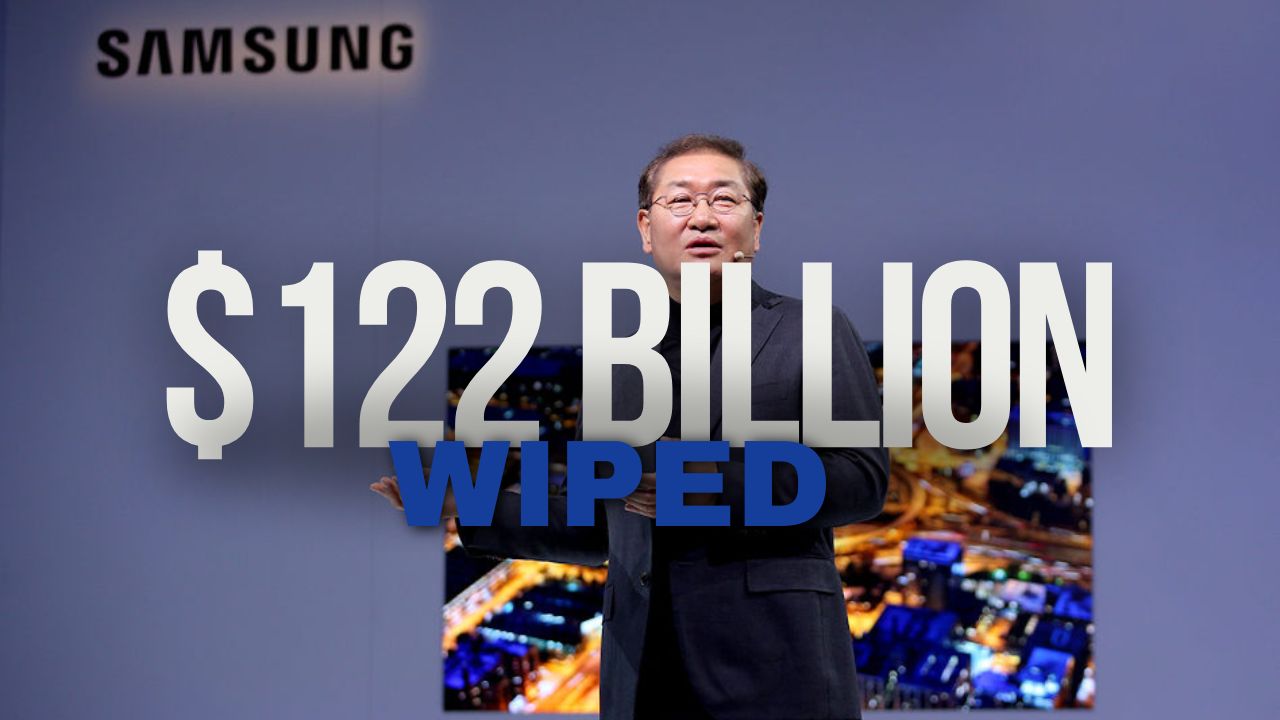
Samsung is more than a global technology brand; it is a cornerstone of South Korea’s economy and a leader in global innovation. Accounting for an incredible 20% of South Korea’s GDP, Samsung’s influence extends into nearly every aspect of life, from smartphones and semiconductors to healthcare and shipbuilding. Yet, 2024 has been a tumultuous year for this corporate giant. A $122 billion stock market plunge has raised concerns about its future, highlighting challenges in artificial intelligence (AI), semiconductors, and corporate governance.
This article delves deep into Samsung’s current crisis, examining the causes, impacts, and strategies the company is deploying to navigate through turbulent times. It also explores the broader implications for South Korea and the global technology sector.
Samsung: A Global Titan with Local Roots
Founded in 1938 by Lee Byung-chul as a trading company dealing in dried goods and noodles, Samsung has grown into one of the largest conglomerates in the world. With over 80 subsidiaries, it dominates industries such as electronics, finance, construction, insurance, and entertainment. Its flagship division, Samsung Electronics, is a global leader in consumer electronics, semiconductors, and telecommunications.
Samsung’s influence in South Korea is unparalleled, often leading to the country being nicknamed the “Republic of Samsung.” From constructing critical infrastructure to running hospitals, Samsung’s impact is felt in nearly every corner of South Korean society. However, with this dominance comes immense scrutiny and responsibility.
For a closer look at Samsung’s history, explore Samsung’s official company history page.
2024: A Year of Crisis
In 2024, Samsung faced significant setbacks, with its stock dropping by 32% and losing over $122 billion in market value. This dramatic decline stemmed from several critical factors:
- Falling Behind in Artificial Intelligence.
- Struggles in the Semiconductor Industry.
- Leadership Instability and Scandals.
Each of these challenges has raised questions about Samsung’s strategic direction and ability to adapt in an increasingly competitive market.
Missed Opportunities in Artificial Intelligence
Artificial intelligence has revolutionised industries, and companies like Microsoft, Google, and Nvidia have emerged as leaders in this space. Nvidia, in particular, has thrived, becoming a trillion-dollar company by supplying GPUs for AI systems. However, Samsung, despite being a major semiconductor producer, has failed to capitalise on the AI boom.
High-Bandwidth Memory (HBM) Chips
One of the most critical failures for Samsung in the AI space is its inability to produce competitive high-bandwidth memory (HBM) chips. These chips are essential for powering AI systems, including Nvidia’s advanced GPUs. Samsung’s products struggled to meet the efficiency and performance standards required, causing Nvidia to shift contracts to competitors like SK Hynix.
For an in-depth analysis of the HBM market, check out this TechRadar article on AI chip advancements.
Challenges in the Semiconductor Sector
Samsung’s semiconductor division has been a cornerstone of its business, but it has struggled to keep pace with competitors like Taiwan Semiconductor Manufacturing Company (TSMC). While TSMC commands over 61% of the global semiconductor market, Samsung trails with just 11%. The performance gap is evident in production efficiency, chip quality, and technological innovation.
Exynos Processors vs. Snapdragon
Samsung’s Exynos processors, used in its Galaxy smartphones, have been a persistent weakness. Compared to Qualcomm’s Snapdragon processors, Exynos chips suffer from issues such as overheating, poor battery performance, and lower efficiency. This has led Samsung to rely on Snapdragon chips for flagship devices in key markets, undermining its credibility as a semiconductor leader.
Learn more about the Snapdragon vs. Exynos debate in this GSMArena article.
Corporate Governance and Leadership Instability
Samsung operates as a chaebol, a family-run conglomerate deeply tied to the Lee family. While this structure provides centralised decision-making, it has also led to scandals and inefficiencies. Over the years, top executives, including heirs to the company, have faced charges of bribery, tax evasion, and other legal issues.
In 2024, Samsung reshuffled its semiconductor leadership, appointing Junyoung Hong to address ongoing challenges. While this move signals a willingness to change, frequent leadership changes in recent years have raised concerns about the company’s long-term strategy.
For a detailed look at the chaebol system, refer to this Harvard Business Review article.
Steps Toward Recovery
Samsung is implementing aggressive measures to stabilise its operations and regain investor confidence. These include:
- Scaling Down Operations: Samsung plans to reduce foundry operations by 50% and has announced layoffs affecting 10% of its workforce in Southeast Asia and Australia.
- Refocusing Investments: The company is prioritising core areas like semiconductors and display technologies while trimming non-essential projects.
- Expanding Collaborations: Strengthening partnerships with tech leaders like Google and Amazon could help Samsung secure its place in the AI ecosystem.
For updates on Samsung’s restructuring plans, visit Bloomberg Technology.
Leveraging Strengths in Consumer Electronics
While its semiconductor and AI divisions face challenges, Samsung’s consumer electronics business remains a stronghold. The Galaxy smartphone line continues to dominate the global market, and its display technologies, used by competitors like Apple, are industry-leading.
By integrating advanced AI features into its consumer products and expanding into emerging markets, Samsung can leverage these strengths to offset losses in weaker divisions.
For insights into Samsung’s smartphone strategy, explore this IDC report on global smartphone trends.
Exploring Emerging Technologies
Looking to the future, Samsung has opportunities to expand into emerging fields such as:
- Quantum Computing: Partnering with research institutions to develop cutting-edge computing technologies.
- Biotechnology: Leveraging its expertise in electronics to innovate in medical devices and bioinformatics.
- Green Energy: Expanding its battery and renewable energy solutions to capitalise on the growing demand for sustainable technologies.
Samsung’s efforts in sustainability are detailed on its sustainability page.
The Road Ahead
Samsung’s challenges in 2024 highlight the difficulties of maintaining leadership in a rapidly evolving global market. From missed AI opportunities to struggles in semiconductors and leadership instability, the company faces an uphill battle. However, its diversified portfolio, strong consumer electronics division, and willingness to adapt provide hope for recovery.
The next steps Samsung takes will not only define its future but also have profound implications for South Korea and the global tech industry. With bold leadership, strategic investments, and a commitment to innovation, Samsung has the potential to turn its crisis into an opportunity for reinvention.
For further updates on Samsung’s progress, follow the latest news on Reuters Technology.
References
- Samsung Official Website
- TechRadar on AI Chips
- GSMArena on Exynos vs. Snapdragon
- Harvard Business Review on Chaebols
- Bloomberg Technology
- IDC Report on Smartphones
- Samsung Sustainability Page
- Reuters Technology
By addressing its challenges and leveraging its strengths, Samsung can emerge stronger, securing its place as a global leader in technology and innovation.