


International Relations
President Ramaphosa Calls For Reformed Multilateralism At AU-EU Summit In Angola

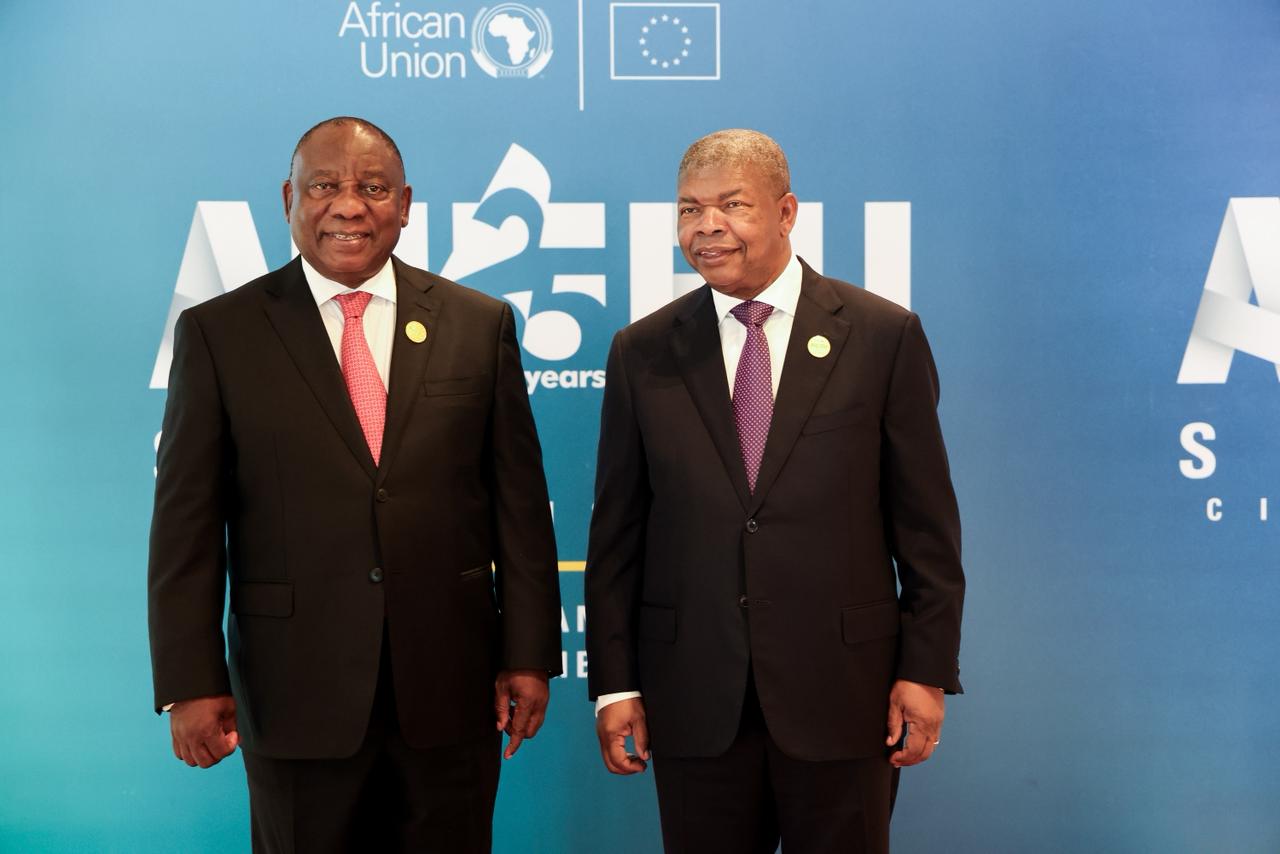
Luanda, Angola – 24 November 2025
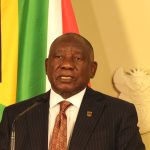
President Cyril Ramaphosa has urged the global community to strengthen and reform multilateralism, calling it essential for addressing historical injustices and ensuring a fairer global order. He delivered these remarks today during the Thematic Session on Multilateralism at the 7th African Union-European Union Summit in Luanda, Angola.
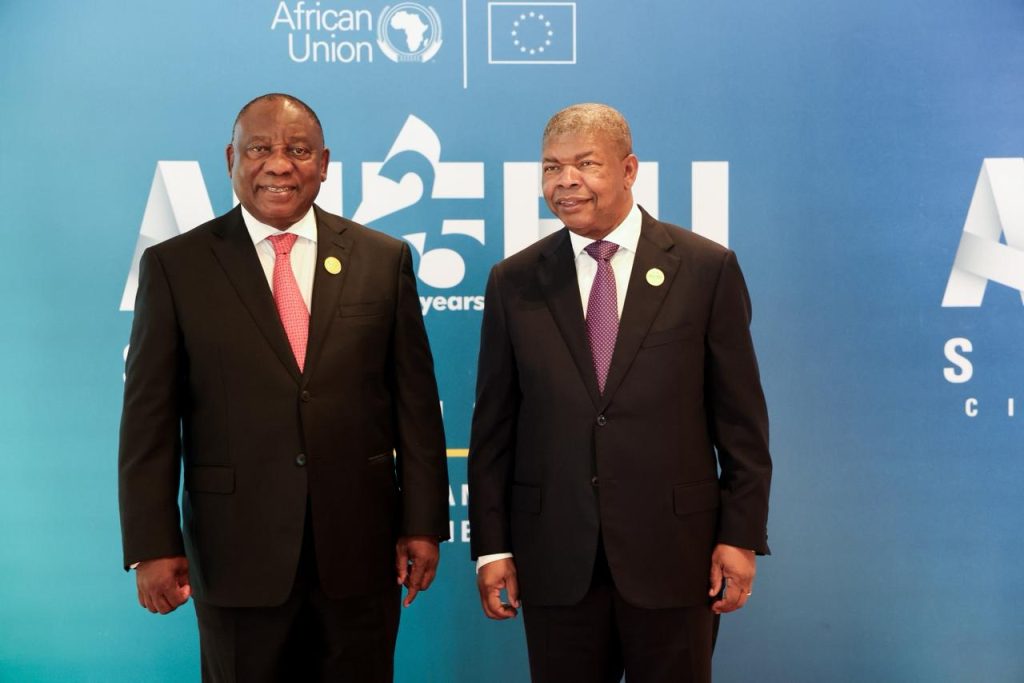
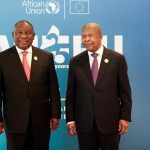
Addressing an audience that included President João Lourenço of Angola, European Council President António Costa, European Commission President Ursula von der Leyen, AU Commission Chairperson Mahmoud Ali Youssouf, and UN Secretary-General António Guterres, President Ramaphosa began by extending warm congratulations to Angola on the 50th anniversary of its independence.
He noted that this milestone serves as a reminder of Africa’s collective journey and reinforces the importance of unity as the continent charts its future.
Ramaphosa highlighted the African Union’s 2025 theme, “Year of Justice for Africans and People of African Descent Through Reparations,” emphasising that achieving justice requires a strengthened and inclusive multilateral system.
“The multilateral system is under great pressure,” he said, adding that geopolitical rivalries continue to erode the rules-based international order. South Africa, he affirmed, remains convinced that global challenges are best resolved through multilateralism anchored in the principles of the UN Charter.
The President reiterated Africa’s long-standing call for meaningful reforms to global governance institutions. He pointed out that more than two-thirds of UN General Assembly member states lack permanent representation on the UN Security Council. Advancing Africa’s position, as articulated in the Ezulwini Consensus and Sirte Declaration, is crucial to restoring the Council’s legitimacy, he said.
On global trade, Ramaphosa stressed that a stable, predictable and development-centred multilateral trading system is vital for Africa’s economic integration. He raised concerns over rising inequalities in global trade, exacerbated by sovereign debt burdens, declining exports, and reduced development assistance to vulnerable nations.
These concerns, he noted, were captured in the G20 Leaders’ Declaration adopted in Johannesburg over the weekend. He welcomed the G20’s reaffirmation of its commitment to supporting low- and middle-income countries and its recognition of the importance of reforming the World Trade Organization to better serve all nations.
“When global trade systems are stable and predictable, it gives confidence to governments, assurance to exporters and offers security to workers around the world,” Ramaphosa said. He added that reforms must allow developing nations policy space to industrialise, diversify, and add value to their resources.
Reflecting on the 25th anniversary of the AU-EU Partnership, President Ramaphosa called this a pivotal moment to champion Africa’s Agenda 2063 and its Second Ten Year Implementation Plan. He underscored youth and women empowerment as central to the continent’s development agenda.
As Africa and Europe look toward the future, Ramaphosa urged both sides to remain steadfast in deepening the continent’s economic, social, and political integration.
“I thank you,” he concluded, receiving warm applause from the Summit delegates.



