



International Relations
South Africa’s G20 Presidency Hailed as a Triumph of Ubuntu, Leadership and Global Cooperation

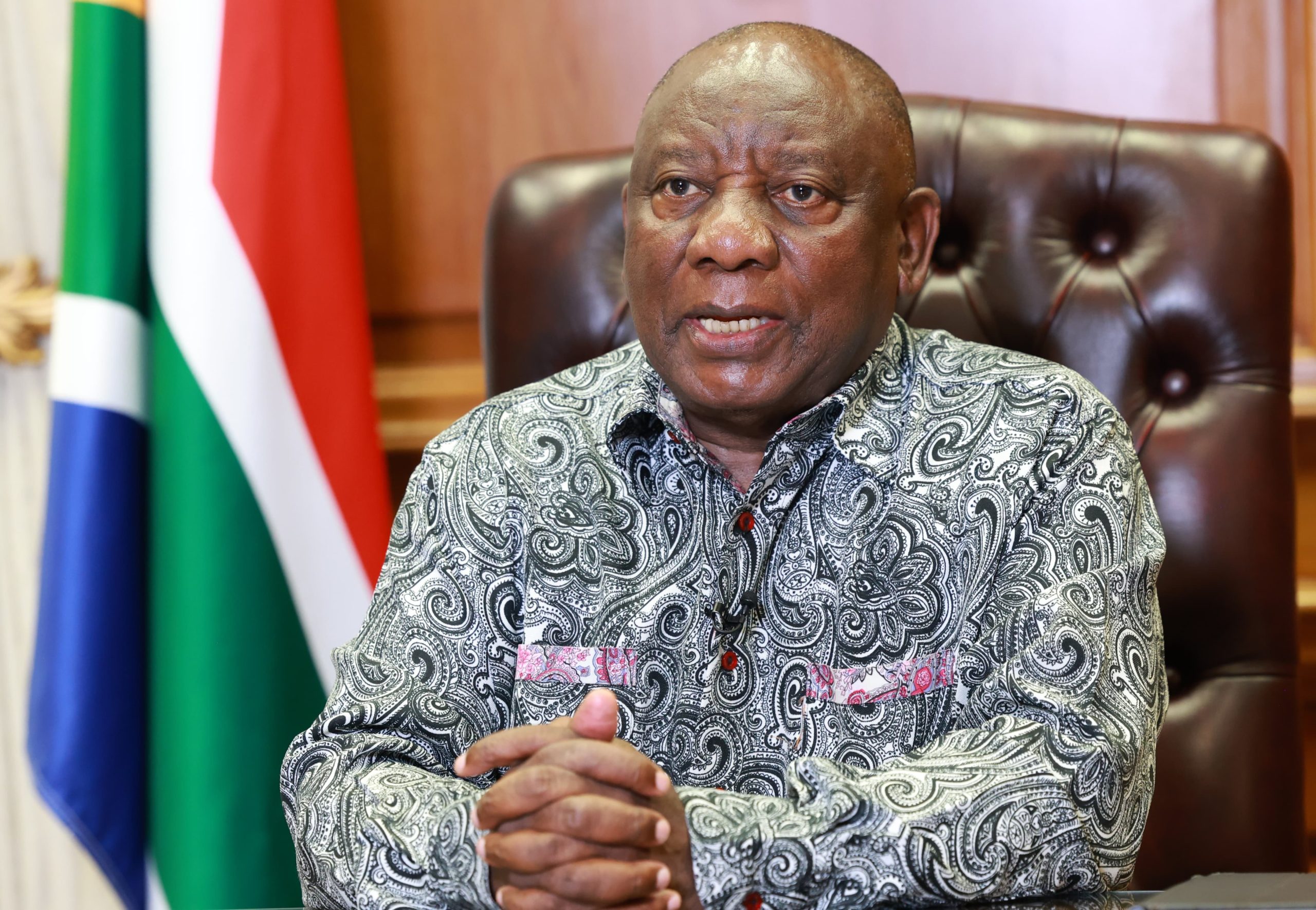
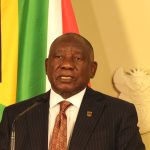
Pretoria – President Cyril Ramaphosa has praised South Africans for delivering what global leaders, diplomats and observers have called one of the most memorable and people-centred G20 summits in the forum’s history.
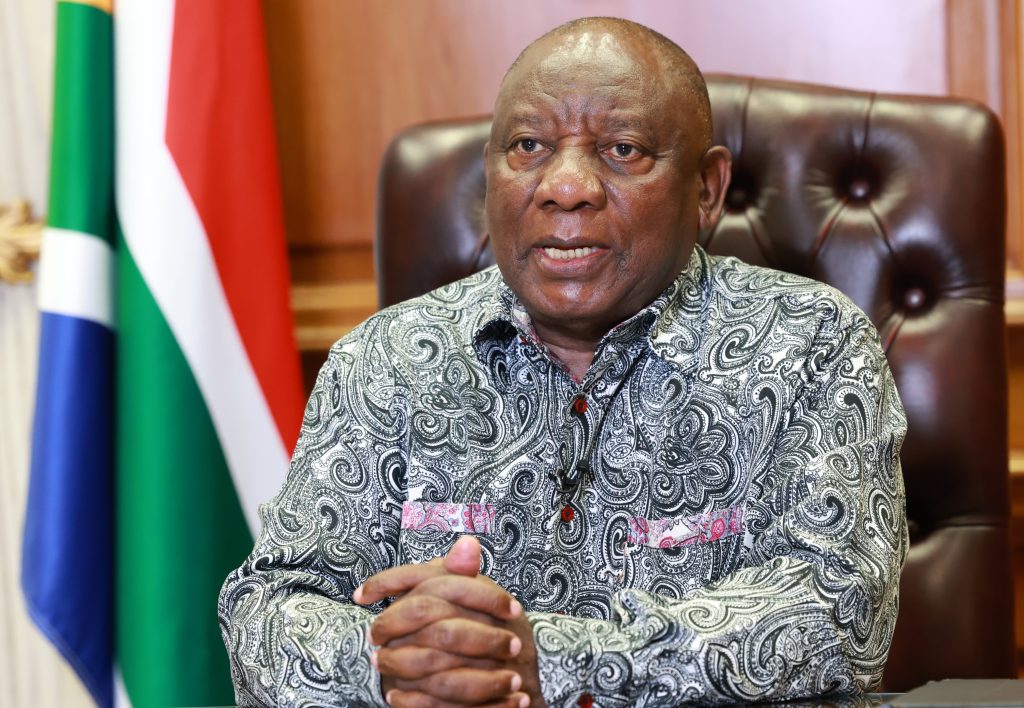
Addressing the nation on Sunday evening, the President reflected on South Africa’s historic year as G20 Chair – the first time the summit was hosted on African soil – and celebrated the unity, hospitality and leadership that defined the country’s presidency.
“This was the People’s G20,” Ramaphosa declared. “It cannot belong just to the leaders, but to the millions of people who have a stake in the discussions and decisions of the G20.”
Global Praise for South Africa’s Warmth and Organisation
Throughout the year, South Africa hosted more than 130 G20 meetings in cities across the country. Delegates repeatedly celebrated the nation’s hospitality, with many describing their experience as unlike anything seen in previous summits.
A German delegate said, “I’ve attended summits on six continents. I’ve never experienced warmth like this.”
A Japanese representative remarked that even security and transport teams showed “Ubuntu in action,” while a French delegate noted: “We came to discuss economic frameworks. But what we’ll remember is how your people made us feel. That’s real power.”
World leaders also shared their admiration online:
- India’s Prime Minister Narendra Modi thanked “the wonderful people of South Africa.”
- IMF Managing Director Kristalina Georgieva applauded the country’s “incredible hospitality.”
- Germany’s Chancellor Friedrich Merz praised South Africa’s leadership “in turbulent times.”
The UNDP Representative in South Africa added that the presidency demonstrated “what African leadership looks like – dignified, strategic and people-centred.”
A Year of Collaboration, Dialogue and Impact
Ramaphosa thanked ordinary South Africans, security services, government officials, business stakeholders, provincial leaders and municipal workers who prepared host cities—especially Johannesburg—for the influx of global visitors.
“These cities showed what can be done when a concerted and coordinated effort is made,” he said, urging that such improvements continue beyond the G20.
The President highlighted the success of the G20 Social Summit, which brought together over 5,000 civil society participants, and emphasised South Africa’s focus on placing Africa’s development at the centre of the global agenda.
From addressing the debt burden on developing countries, to securing commitments on climate finance, energy transition support, and mineral beneficiation, Ramaphosa said the G20 outcomes would benefit both South Africa and the broader continent.
US Non-Participation and the Challenge of Disinformation
In a rare direct message, the President addressed the United States’ absence from the final G20 meetings and the Leaders’ Summit. The US will assume the G20 Presidency in 2026.
He said it was “regrettable” that the US government did not participate and that the reasons given were based on “baseless and false allegations” about genocide against Afrikaners and land confiscation.
“These are blatant misinformation,” he said.
Ramaphosa reaffirmed South Africa’s founding-member status in the G20, insisting: “We will continue to participate as a full, active and constructive member.”
He expressed goodwill toward the American people, referencing historical solidarity during the anti-apartheid struggle, and affirmed readiness for continued diplomatic engagement “with respect and dignity as equal sovereign countries.”
The President also warned that local and international groups spreading disinformation were endangering South Africa’s national interests and weakening key partnerships.
National Dialogue: A Call to Unity
Ramaphosa emphasised that South Africa’s problems must be solved by South Africans. He called on all citizens—including those who propagate misinformation—to participate in the National Dialogue recently launched to forge a shared future.
“No one must be excluded,” he said. “Every voice and every perspective must be heard.”
He reminded the nation of its enduring spirit of togetherness:
“We live together, work together, learn together, pray together, celebrate together. In the best and worst of times, we have stood together.”
Economic Progress and Shared Challenges
The President acknowledged the ongoing difficulties faced by South Africans—poverty, unemployment, crime and the high cost of living—but pointed to emerging signs of economic recovery:
- Falling unemployment
- Improved public finances
- A recent sovereign credit upgrade
- Renewed business confidence
He cited business leader Adi Enthoven, who said the country had “turned the corner” after a decade of decline.
Ramaphosa noted the recent classification of gender-based violence and femicide as a national disaster, enabling stronger action against the crisis.
A Future Built on Ubuntu and Global Cooperation
The President outlined major G20 achievements:
- Greater financing for developing economies
- Support for just energy transitions
- Debt relief mechanisms
- Commitments on artificial intelligence, green technology and climate adaptation
- Recognition that countries rich in minerals must benefit from beneficiation and industrialisation
He confirmed South Africa’s proposal for a new International Panel on Inequality, modelled on the Intergovernmental Panel on Climate Change.
“These agreements are just the beginning,” he said. “We will continue to fight, advocate and work for a more equal world.”
“Stronger Together. Always.”
In closing, Ramaphosa thanked South Africans once again for rising to the occasion and showing the world the true heart of the nation.
“This was your G20,” he said. “You made us all proud.”
He ended with a unified prayer for the nation in the country’s official languages:
Nkosi Sikelel’ iAfrika. Morena boloka setjhaba sa heso. God bless South Africa. Mudzimu fhatutshedza Afurika. Hosi katekisa Afrika.



