







Business & Economy
South Africa–China Trade Forum Signals Deeper Economic Partnership and Industrial Ambitions

Cape Town, South Africa – 27 March 2026
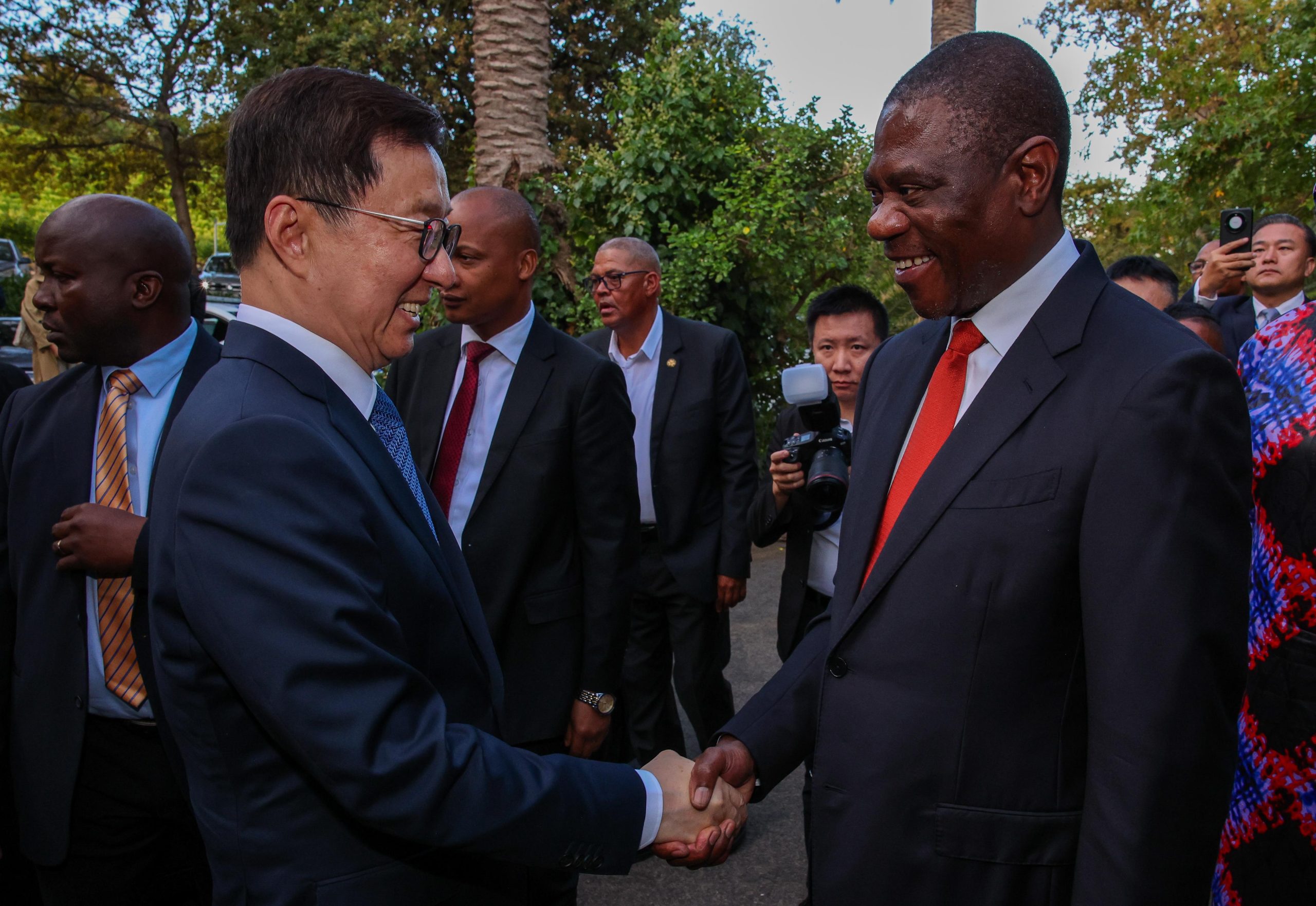
South Africa and China reaffirmed their commitment to deepening economic cooperation and expanding trade and investment ties at the South Africa–China Economic and Trade Forum held at the Mount Nelson Hotel in Cape Town on Friday.
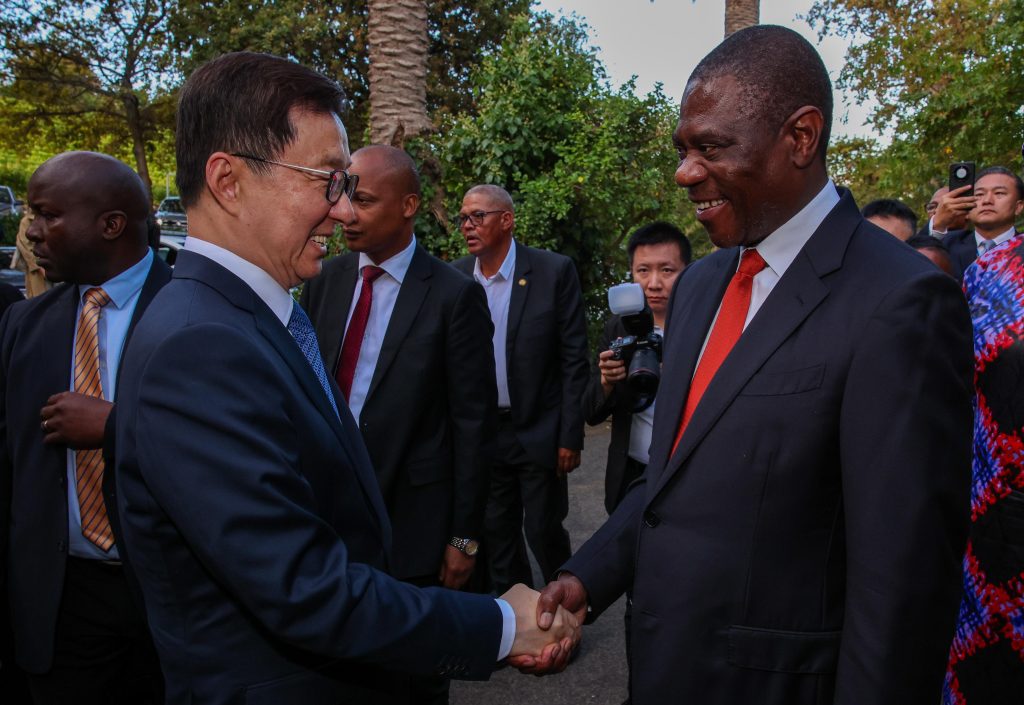
Delivering keynote remarks, South Africa’s Deputy President Paul Mashatile said the forum follows the successful conclusion of the 9th Session of the South Africa–China Bi-National Commission, which he co-chaired with Chinese Vice President Han Zheng. The commission, established in 2000, has served as the cornerstone of diplomatic and economic relations between the two countries.
Mashatile described the relationship as a “journey of a thousand miles” that has steadily strengthened cooperation across sectors including tourism, mineral resources, environmental management, science and technology, education, and culture.
Trade Growth and Investment Expansion
Economic cooperation remains at the heart of the partnership, with Mashatile highlighting significant growth in bilateral trade and investment.
Trade between South Africa and China increased by 6.4%, rising from US$34.2 billion in 2024 to US$36.4 billion in 2025, reinforcing China’s position as South Africa’s largest trading partner in Africa.
Chinese companies have invested US$8.11 billion across 103 foreign direct investment projects in South Africa, creating 5,694 jobs. South African firms have also expanded their footprint in China, collectively investing US$689 million in sectors such as health, ICT, financial services, manufacturing, and services.
Mashatile said these figures demonstrate the “mutual confidence and shared progress” that define the bilateral relationship.
Moving Beyond Raw Commodity Exports
Despite the progress, the Deputy President emphasised that South Africa must shift its trade structure to prioritise value-added exports and industrial development.
“We must diversify our exports from raw commodities and strengthen our industrial base, particularly in sectors such as electric vehicle and battery manufacturing,” Mashatile told delegates.
Key investment opportunities highlighted by the government include:
- Mineral beneficiation
- Hydrogen and clean energy industries
- Information and communications technology
- Textiles and leather manufacturing
- Infrastructure development
China–Africa Economic Partnership Agreement
A major development discussed at the forum was the Framework Agreement for the China–Africa Economic Partnership Agreement (CAEPA), which is expected to strengthen South Africa’s position as a sourcing destination for Chinese firms.
The agreement aims to lower import costs for Chinese companies sourcing South African goods while expanding market access for South African industries.
Deputy Minister of Trade, Industry and Competition Alexandra Abrahams also briefed participants on progress toward an Early Harvest Agreement, which could grant permanent zero-tariff treatment for selected South African exports to China, pending consultations within the Southern African Customs Union.
Mashatile said the agreement could significantly enhance the viability of local processing industries, making South Africa an attractive base for Chinese manufacturing operations.
Strategic Sectors for Future Collaboration
The Deputy President outlined several sectors where collaboration could accelerate economic transformation.
In agriculture and agro-processing, South Africa’s fertile land and diverse produce present opportunities for higher-value exports to China and other global markets, while supporting rural employment and food security.
In the energy sector, cooperation in renewable energy and storage technologies could help South Africa expand solar and wind capacity while meeting climate commitments.
The automotive sector was also identified as a strategic priority, with investments in next-generation vehicles, electronics, and high-tech manufacturing expected to strengthen South Africa’s industrial ecosystem.
Mashatile singled out the green hydrogen economy as potentially transformative, noting that South Africa could become one of the world’s lowest-cost producers and exporters of green hydrogen due to its abundant renewable resources.
South Africa as a Gateway to Africa
The Deputy President highlighted the success of companies such as Hisense, whose investments in South Africa have enabled access to the broader African market of 1.4 billion people.
“South Africa is more than a gateway to Africa,” he said. “It is a launchpad into continental opportunity, innovation and growth.”
Special Economic Zones and industrial parks across the country, he added, are designed to attract investment, localise production, and foster globally competitive industries.
Aligning Government and Business
Mashatile concluded by urging business leaders from both countries to translate diplomatic commitments into practical economic outcomes.
He said the forum provides a platform to align government strategy with private sector action, ultimately driving industrialisation, job creation, and shared prosperity.
“Today we have an opportunity to energise momentum and turn commitments into action,” he said. “Together we can create a future defined by resilience, inclusivity and shared success — not only for our two nations, but for Africa’s broader development agenda.”
The forum brought together government officials, investors, and business leaders from both countries, with technical sessions expected to explore concrete investment opportunities across priority sectors.



