









Entrepreneurship
Beyond Business Growth: What Young Entrepreneurs Can Learn About Building for Africa’s Future

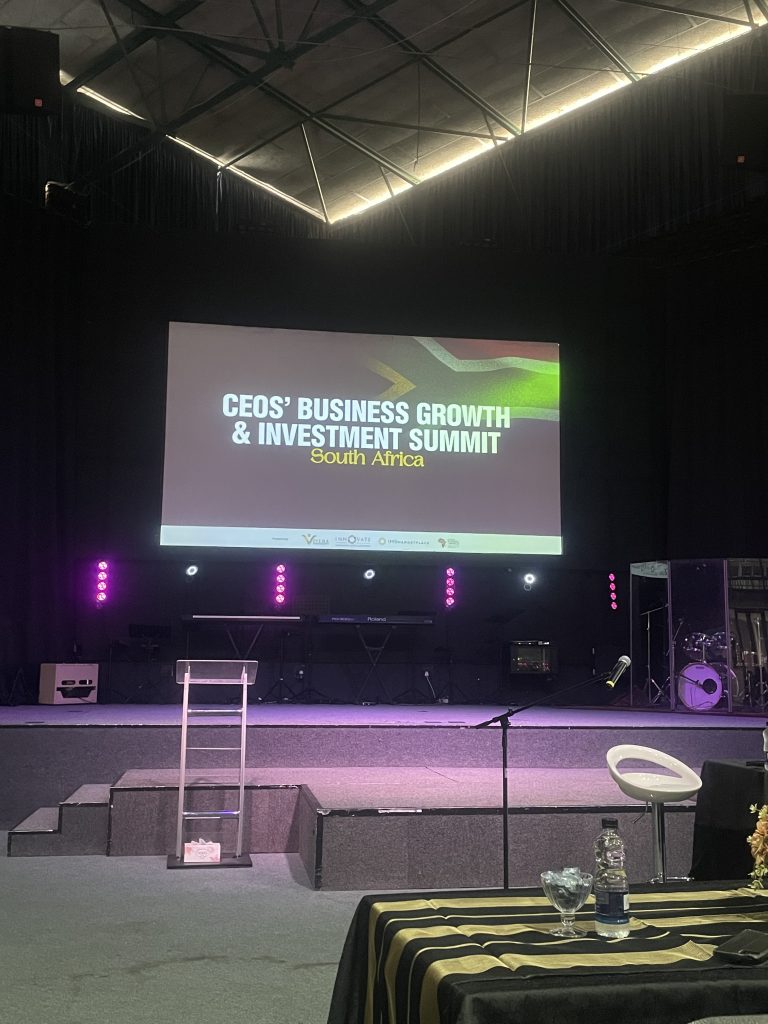
On 11 April 2026, I attended the CEOs Business Growth and Investment Summit, a gathering that brought together business leaders, entrepreneurs and professionals to exchange ideas on business growth, investment, innovation and Africa’s economic future.
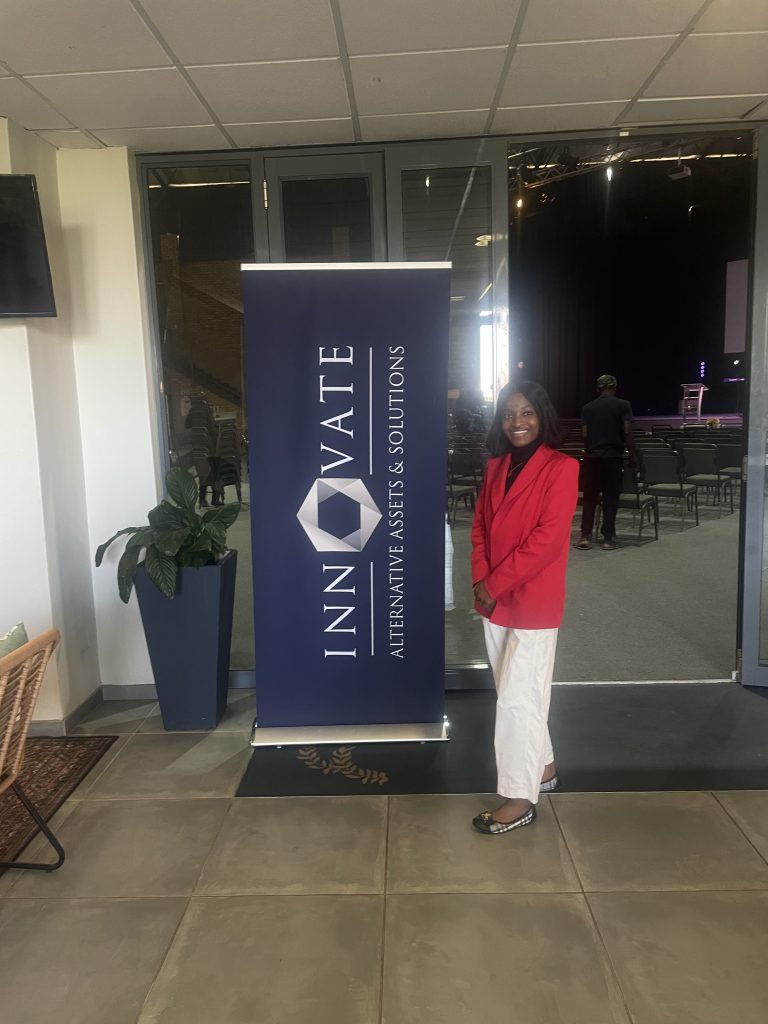
As a young entrepreneur, I value opportunities to enter rooms where people share not only my their achievements but also the lessons, strategies and mindsets that have shaped their journeys. These conversations challenge me to think beyond the immediate demands of running a business and consider the kind of entrepreneur and leader I want to become.
The Conversations That Stayed With Me
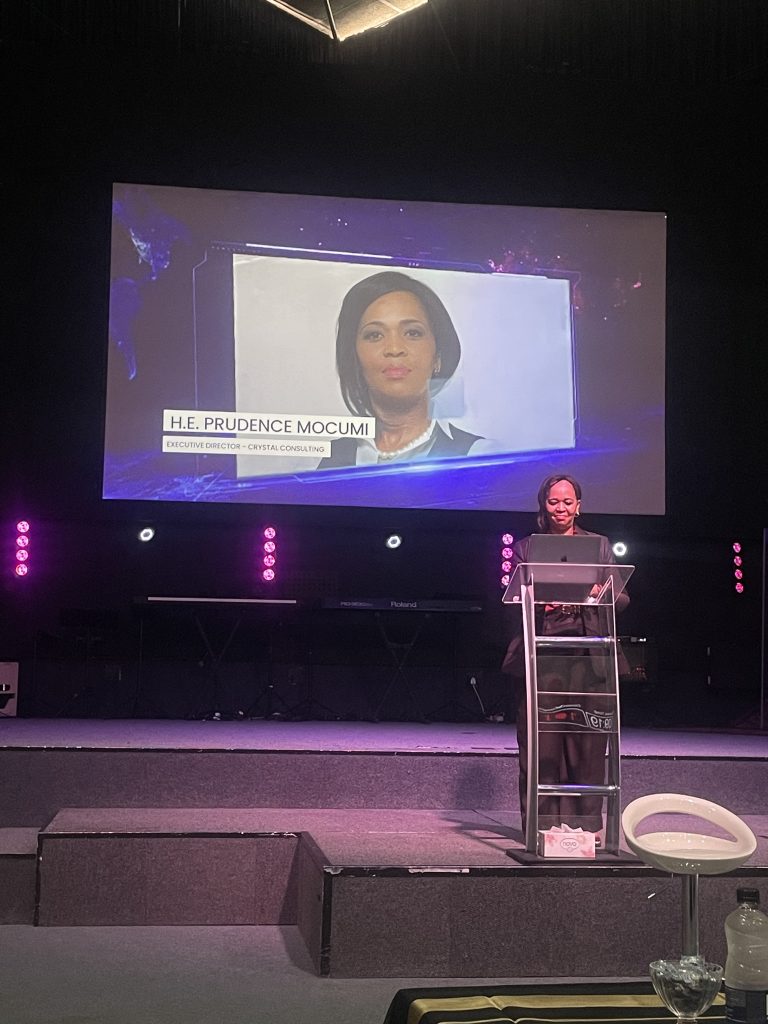
One of the speakers was Ambassador H.E. Prudence Mocumi, whose presence contributed to the summit’s broader conversations around business and investment.
A key theme was Africa’s place in the global economy. During a presentation titled “Doing Business in Africa,” Carlos Ifughe of Africa 2050 spoke about the continent’s potential to emerge as a global economic giant and its position as an important frontier for future economic activity.
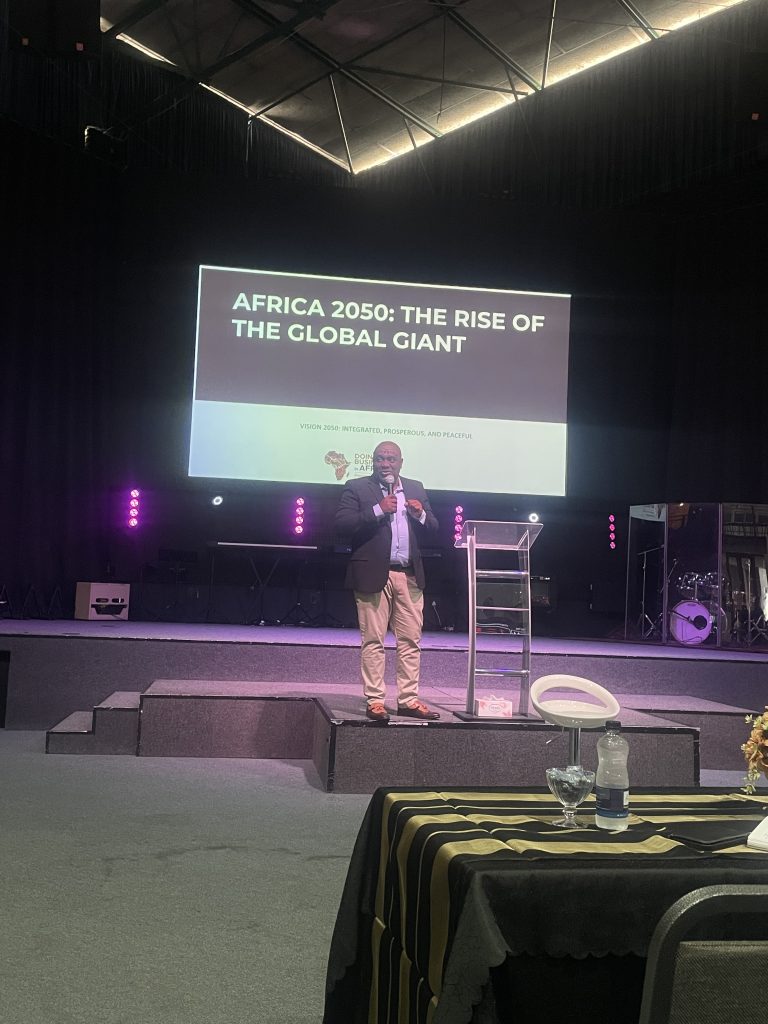
This perspective encouraged me to think about Africa not only as a continent with challenges to overcome, but also as a continent with opportunities that require vision, investment, innovation and people willing to build solutions.
For young entrepreneurs, the question is not simply whether opportunities exist. It is whether we are developing the knowledge, capabilities and networks needed to recognise and pursue them.
Your Network Is Only the Beginning
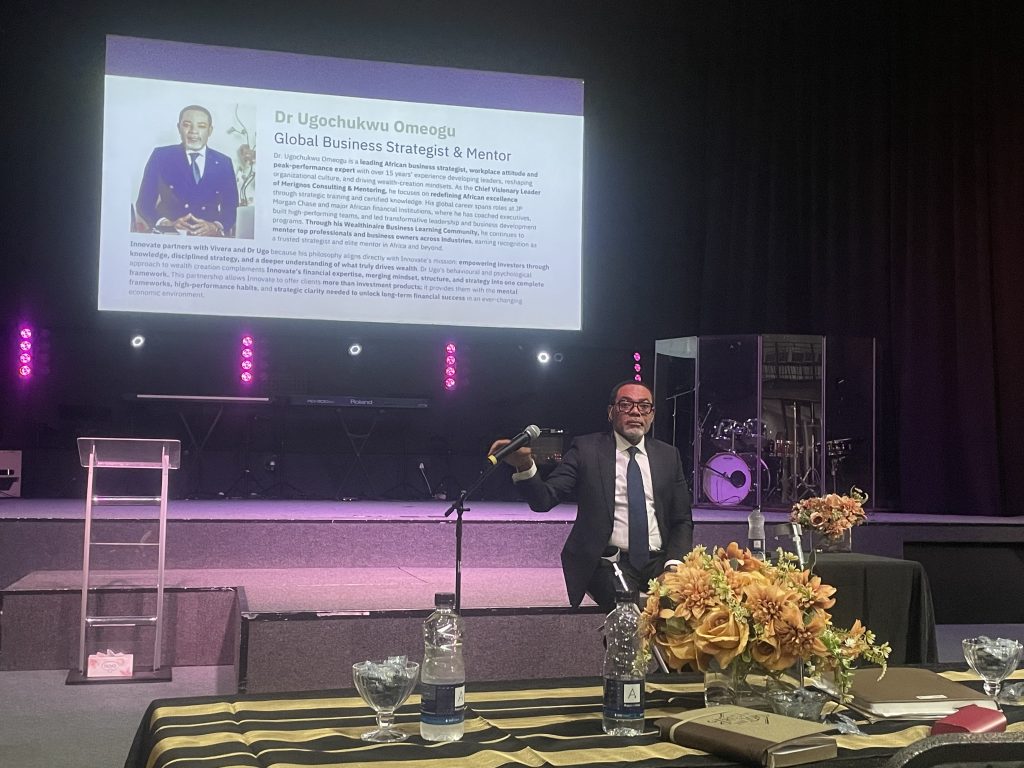
One of the messages that particularly stayed with me came from Dr Ugochukwu Omeogu, a global business strategist and mentor.
He spoke about the relationship between networking and net worth, sharing the idea that your network is not your net worth. As I remember his message the real value lies in how you use your network to build further relationships, create opportunities and grow.
That lesson resonated with me because attending business events and meeting influential people is only the beginning. Exchanging business cards, taking photographs or having a brief conversation may open a door but those moments alone do not build a sustainable business.
The real work begins afterwards.
Do you follow up? Do you nurture the relationship? Can you identify ways to collaborate, contribute value or connect people who could benefit from knowing one another? Are you building relationships based on mutual value rather than simply what someone can do for you?
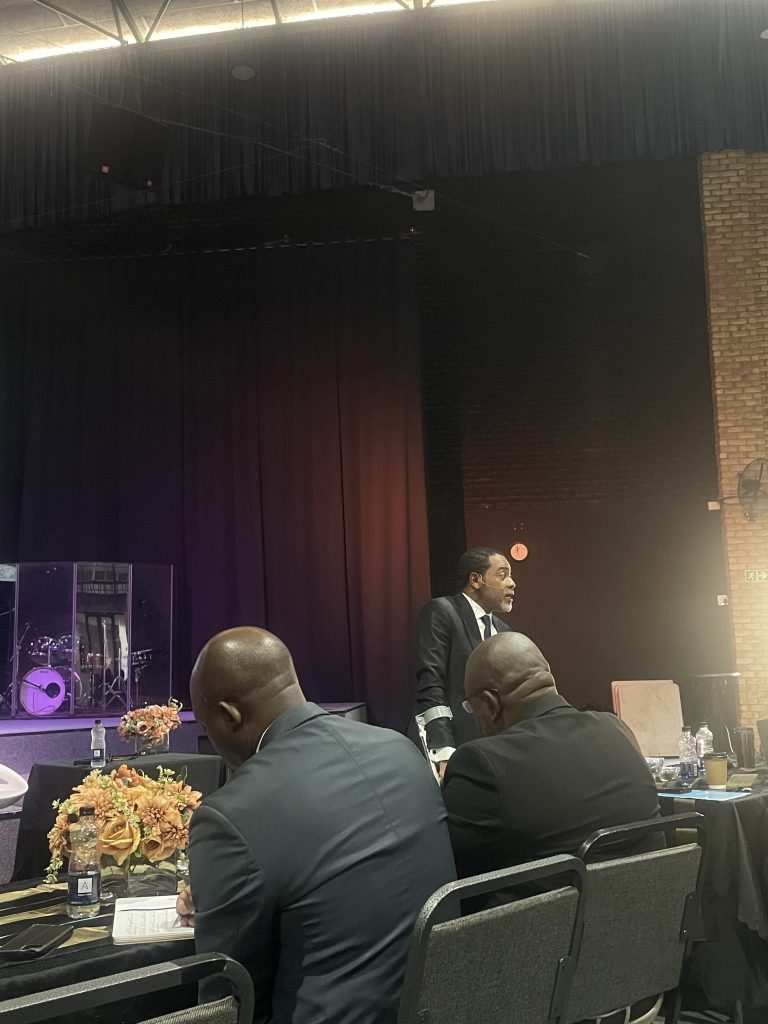
As a young entrepreneur, I am learning that networking should be intentional. It is not about how many people you know, but about the quality of the relationships you build, how you maintain them and what you do with the opportunities that emerge.
A meaningful network can introduce you to new markets, expose you to knowledge you might not otherwise access, and help you learn from people who have travelled further along the journey.
But relationships require effort. They must be nurtured through consistency, integrity, curiosity and a willingness to contribute.
For me, this is particularly important as I continue to explore opportunities across Africa and international markets. Building bridges between people, businesses and markets requires more than being present in the room. It requires being intentional about what happens after you leave it.
Invest in Yourself, Too
Another lesson I appreciated from Dr Omeogu was his emphasis on personal development and the importance of being willing to invest in yourself.
Entrepreneurship demands more than a good idea. It requires skills, discipline, adaptability, financial understanding and the ability to make informed decisions. These capabilities do not develop overnight; they require continuous learning and deliberate effort.
Sometimes, investing in yourself means giving your time to learning. At other times, it may mean paying for training, developing a professional skill or seeking guidance that helps you grow. The important thing is to recognise that your development is part of your long-term preparation.
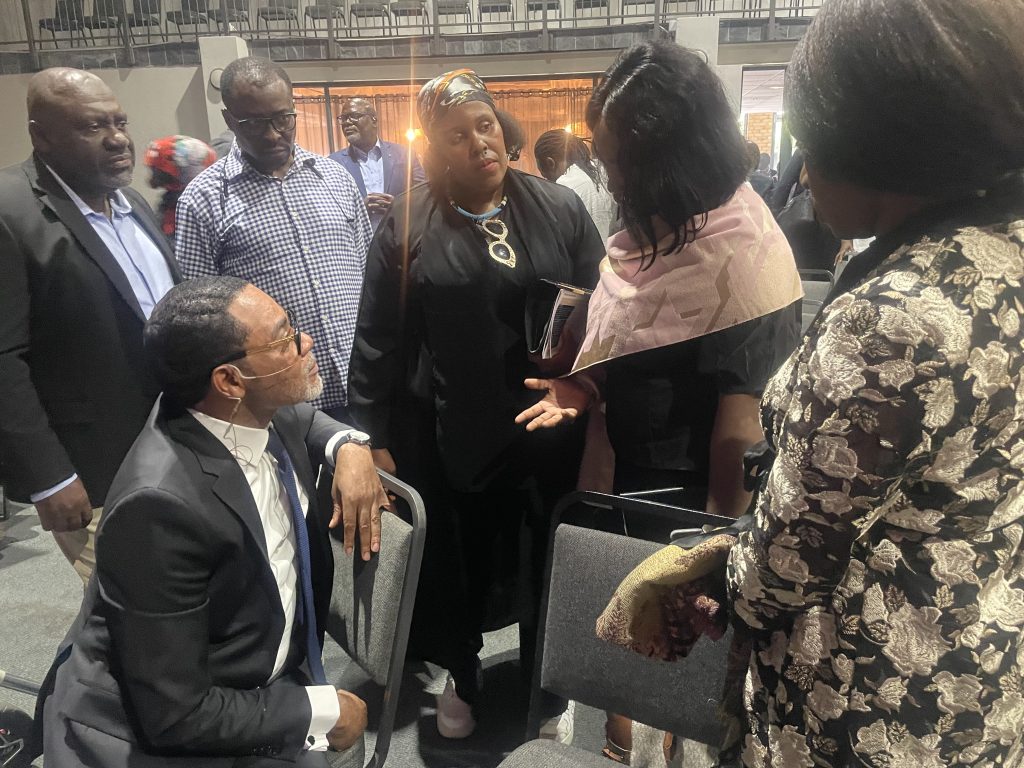
As entrepreneurs, we can become so focused on finding funding, securing customers and growing our businesses that we neglect the person responsible for making the decisions.
Yet, as the business grows, the entrepreneur must grow too.
I am learning that we cannot always expect to access bigger opportunities while remaining unwilling to develop the skills, knowledge and mindset needed to manage them. Investing in yourself is not a guarantee of success, but refusing to learn can limit the opportunities you are prepared to pursue.
At the same time, personal development must be approached thoughtfully. Entrepreneurs should assess the quality and relevance of training or mentorship before spending money, especially when resources are limited. The goal is not to spend for the sake of spending; it is to invest with purpose.
Building Beyond the Business
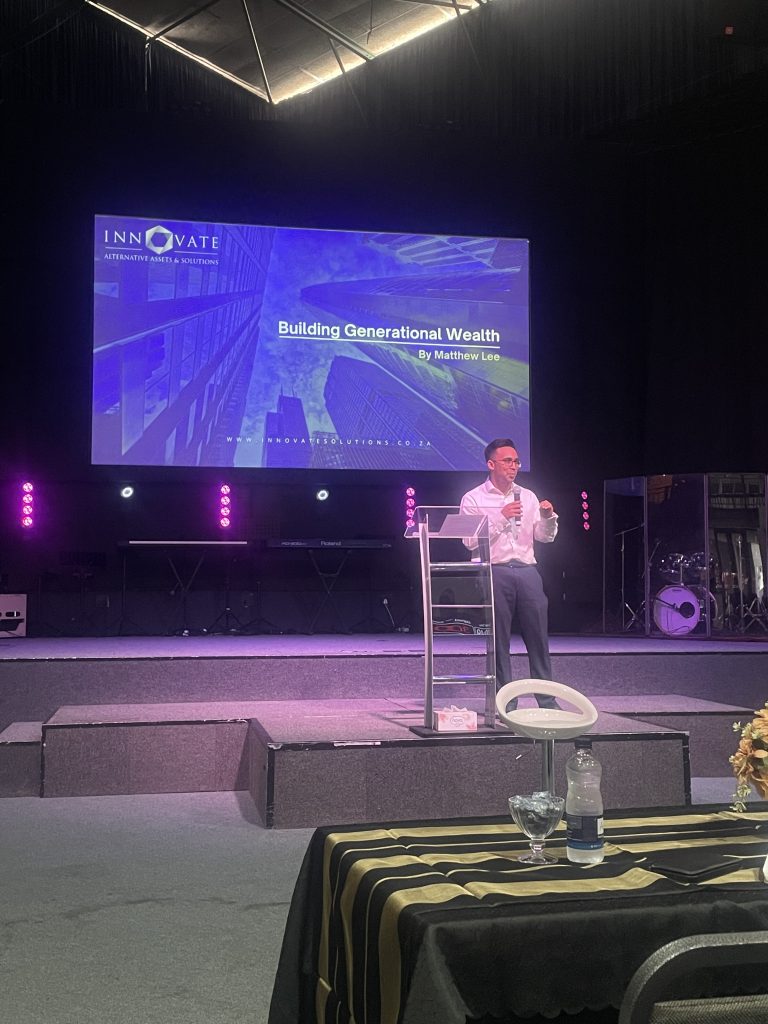
Matthew Lee also spoke about innovation and building generational wealth, while Dr Ugochukwu Omeogu brought a strategic perspective on global business and mentorship.
Together, these themes encouraged me to consider growth beyond immediate business milestones. Building a business is important, but so is building the knowledge, relationships and systems that can sustain it over time.
As the founder and CEO of SHE FITS, I understand that ambition must eventually be supported by execution. Vision can inspire you to begin, but learning, planning, collaboration and consistent action help turn that vision into something tangible.
I am still learning. I do not attend these rooms believing I have all the answers. I attend because I want to ask better questions, understand how business works beyond my immediate experience and identify lessons I can apply to my own journey.
That, to me, is one of the most valuable aspects of being in spaces where different generations and levels of experience meet: there is always something to learn, reconsider or put into practice.
What This Means for Young Entrepreneurs
For young people who aspire to build businesses, my takeaway from the summit is simple: do not confuse access with progress.
Being invited into a room is an opportunity. What you learn there, the relationships you nurture afterwards and the actions you take with that knowledge are what can help turn access into progress.
We need to become intentional about three things:
- Building relationships: Network with purpose, follow up and look for ways to create mutual value.
- Developing ourselves: Keep learning and invest wisely in the skills and knowledge our ambitions demand.
- Taking action: Apply what we learn instead of collecting information and waiting for the perfect moment.
Africa’s economic future will require entrepreneurs who are willing to learn, collaborate, innovate and build businesses that respond to real needs. Young people have a role to play in that future, but we must prepare ourselves to participate meaningfully.
Looking Ahead
The CEOs Business Growth and Investment Summit reminded me that entrepreneurship is not only about what we are building today. It is also about who we are becoming in the process.
I want to continue building SHE FITS, expanding my understanding of business and exploring opportunities that connect African entrepreneurs with wider markets. Along that journey, I want to remain teachable, intentional about relationships and committed to personal development.
Because a network can introduce you to an opportunity, but your preparation helps determine what you do with it.
And a vision may show you where you want to go, but your willingness to learn, grow and act helps prepare you for the journey.
The goal is not simply to enter the room. It is to grow into the person who can make the most of being there and eventually help open the door for someone else.
About the Author
Isabela Pereira is a South African entrepreneur, speaker and the Founder and CEO of SHE FITS, a women’s activewear and wellness venture. She was recognised among the Mail & Guardian 200 Young South Africans 2026 in the Entrepreneurship category. Her interests include entrepreneurship, youth development, women’s economic empowerment and building connections between African businesses and international opportunities.












You must be logged in to post a comment Login