






Education & Youth
Mashatile Calls for Radical Youth Empowerment at NYDA Youth Investment Indaba

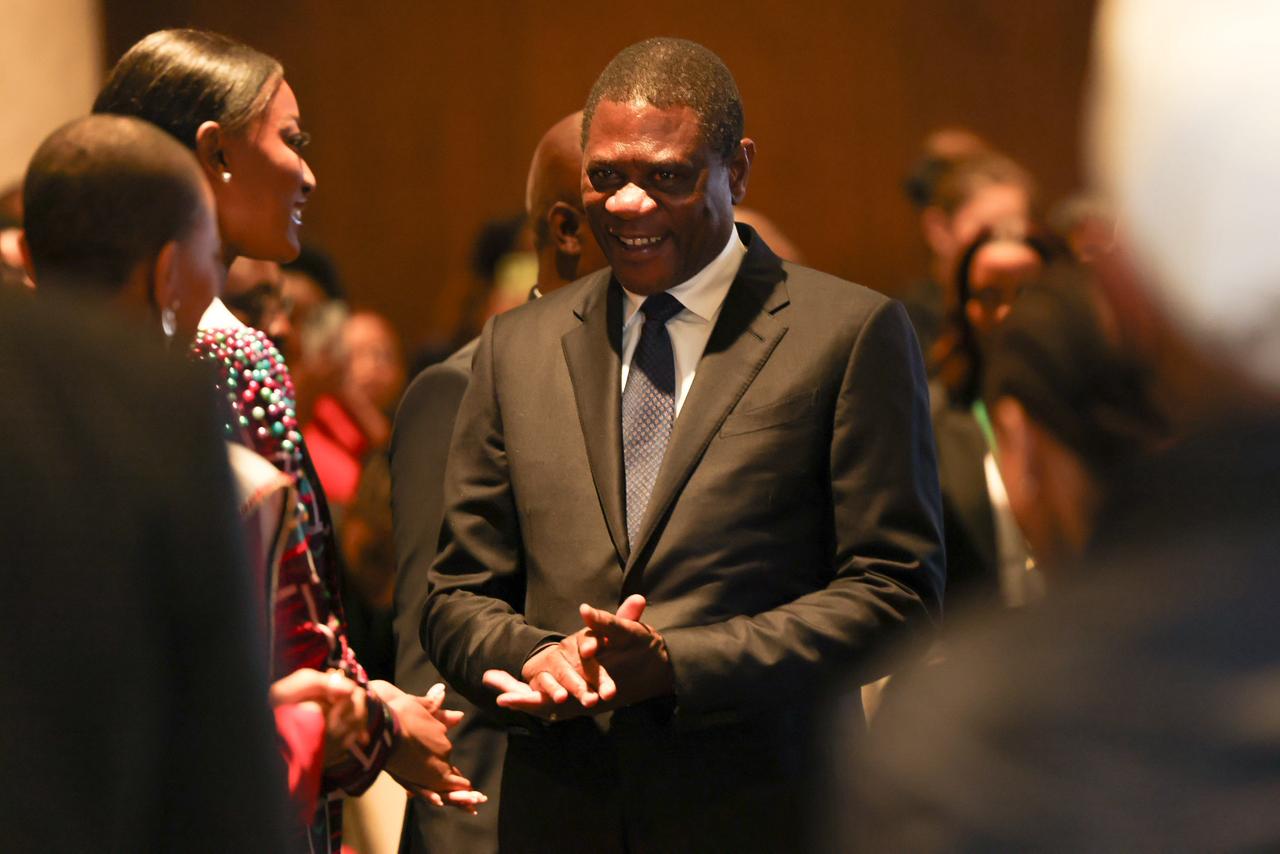
Johannesburg | 31 October 2025 — Deputy President Shipokosa Paulus Mashatile has called for a “radical and inclusive” approach to securing South Africa’s youth future, urging both the public and private sectors to commit to tangible investments in young people’s enterprises, skills, and leadership.
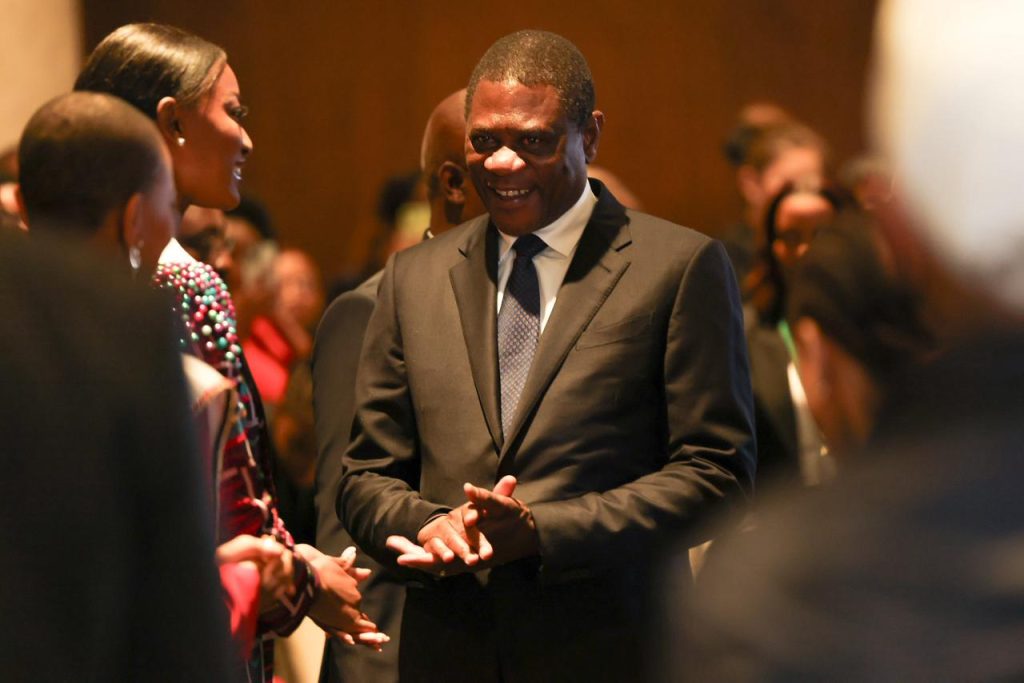
Delivering the keynote address at the National Youth Development Agency (NYDA) Youth Investment Indaba in Gauteng on Thursday, Mashatile said the event marked “a transformative moment aimed at impacting the lives of young people” and reaffirmed government’s commitment to youth empowerment as a central pillar of national development.
“We cannot talk or formulate policies regarding young people without young people,” Mashatile emphasised. “Young people deserve a seat at the table to ensure that their issues are not just heard but adequately addressed.”
A National Compact for Youth Development
Under the theme “Forging a National Compact”, the Indaba brought together youth leaders, policymakers, financiers, and development partners, including the NYDA, Brand SA, the IDC, and the DBSA.
Mashatile said forging a national compact was critical to uniting all sectors of society behind a shared vision of inclusive growth. He urged the forum to “develop practical solutions” to the pressing challenges facing the youth, including high unemployment, unequal access to education, substance abuse, and the growing skills mismatch between graduates and market demand.
“The crisis of youth unemployment is severe,” he warned. “More than 3.5 million young people aged 15–24 — 34% of all youth — are not in employment, education, or training. This should prompt us to reconsider how we mobilise stakeholders to develop skills aligned with our economy.”
Mashatile called on government departments and private companies to “adopt a proactive stance” in addressing labour market disparities and creating employment for both skilled and unskilled youth. He identified the Human Resource Development Council (HRDC) as a key platform to drive workforce upskilling and reduce structural unemployment.
Entrepreneurship and the National Youth Fund
The Deputy President reaffirmed government’s support for the National Youth Fund, describing it as “a national compact” to integrate youth-owned startups into the mainstream economy.
He commended the NYDA Board for capitalising the fund and said it would be instrumental in addressing “decades of structural youth unemployment and historical economic debt.”
“The youth are not just beneficiaries of social programmes; they are the nation’s most potent economic asset,” Mashatile declared. “I am committed to securing maximum government support for the National Youth Fund through DFIs, departmental budgets, and procurement spending.”
He cited several initiatives aligned with this vision, including the Youth Challenge Fund, the Innovation Fund, and the Transformation Fund, which has allocated R20 billion per year over the next five years to boost black-owned businesses and youth participation in enterprise and supplier development.
Mashatile also called for greater youth inclusion in the digital economy, highlighting the Digital Economy Masterplan and National Digital and Future Skills Strategy as enablers for future-ready entrepreneurs.
Land, Agriculture, and Industrial Participation
Turning to land reform, Mashatile reiterated government’s commitment to expanding youth access to land through programmes such as the NYDA’s Rapid Land Release Programme, which purchases and redistributes land to young farmers and rural entrepreneurs.
“We want to see young people leading in agriculture, agro-processing, and rural enterprise,” he said. “Working with the Inter-Ministerial Committee on Land Reform and Agriculture, we can unlock practical opportunities for young people to build viable, commercial enterprises.”
He said the SANDF-led National Youth Service Programme, launched in 2024, was also a strategic platform for empowering women, youth, and persons with disabilities in sectors such as agriculture, energy security, aerospace, maritime, and defence.
Transformation, Inclusion, and Policy Reform
Mashatile reaffirmed government’s stance on Broad-Based Black Economic Empowerment (BBBEE) and the Public Procurement Act (28 of 2024), both aimed at linking youth enterprises to local value chains and ensuring inclusive procurement.
“Transformation laws must be implemented and cannot be changed because some disagree,” he said. “Our transformative policies remain central to redressing historic injustices and building an inclusive economy.”
He added that the National Investment Compact — rooted in the National Development Plan (NDP) Vision 2030 — complements these policies by promoting inclusive growth, entrepreneurship, and social equity.
Youth and the G20 Presidency
Connecting local youth empowerment to global development goals, Mashatile underscored South Africa’s G20 Presidency theme — “Solidarity, Equality, Sustainability.” He praised the NYDA’s participation in the Y20 Summit, where youth leaders positioned themselves as catalysts for sustainable development through innovation and activism.
“We will use our G20 Presidency to champion the use of critical minerals as an engine for growth and development in Africa,” he affirmed.
A Call to Action
Concluding his address, Mashatile urged collaboration between government, business, and civil society to ensure that young people gain access to capital, markets, and mentorship.
“We stand at a crossroads where collaboration and unity are not just ideals but necessities,” he said. “May this Indaba serve as a driving force for action, a platform for collaboration, and a guiding light for a more inclusive, equitable, and prosperous South Africa.”



