




Business & Economy
Moving From Recommendations to Reality: Lamola Urges Global Action at B20 Handover

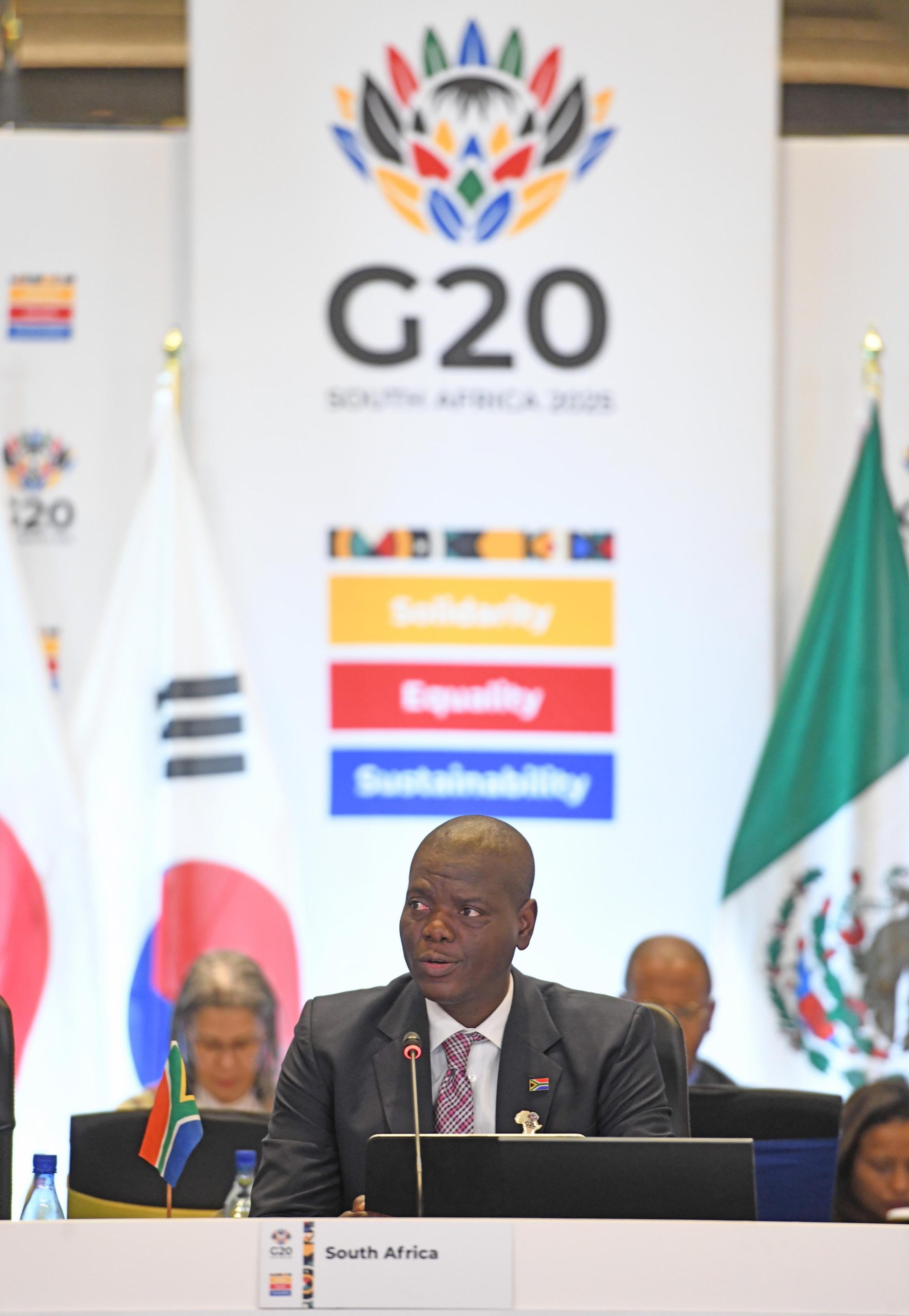
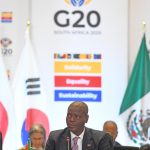
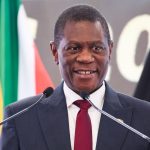
Johannesburg, 4 September 2025 — Delivering a keynote address at the B20 Recommendation Papers Handover on Thursday, Minister of International Relations and Cooperation, Ronald Lamola, called on global leaders to move beyond rhetoric and seize the current moment as one of shared responsibility and transformative action. Representing President Cyril Ramaphosa, Lamola framed South Africa’s G20 Presidency as a historic opportunity for the Global South to redefine global cooperation and economic growth.
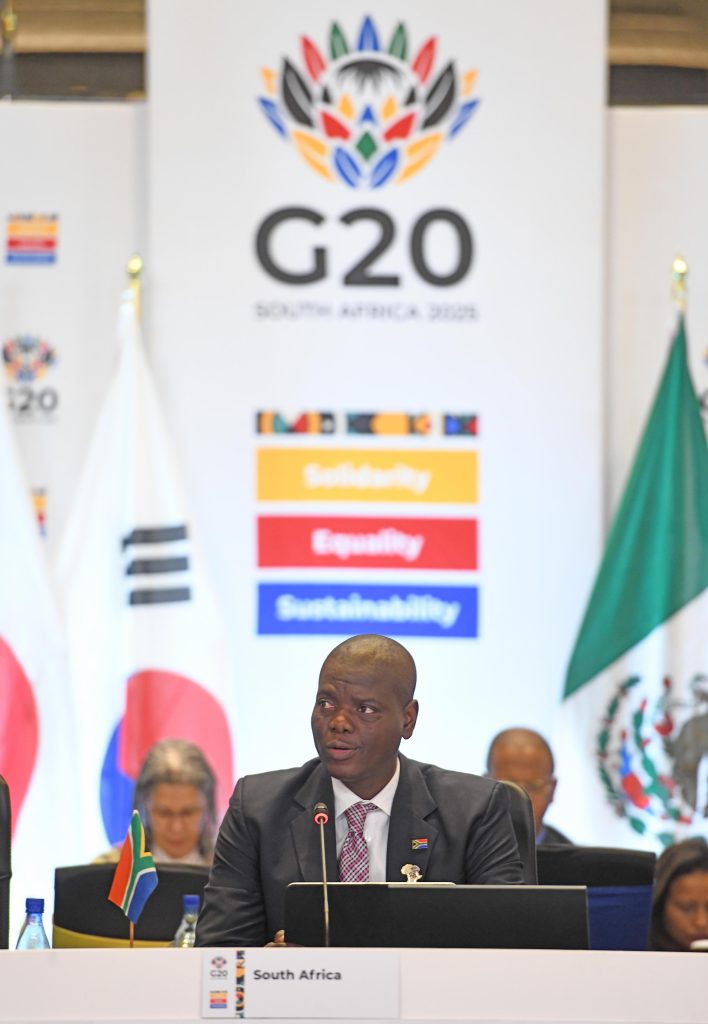
“If there is one thing we must take away from the B20 platform, it is this: now is not a time for despondency. We cannot afford to be passive observers. Now is the time for action,” Lamola said.
Africa at the Centre of Global Shifts
Lamola emphasised Africa’s strategic role in the decades ahead, citing demographic and resource-based shifts. By 2050, more than one in four people will be African, he noted, underscoring the urgent need to invest in human capital and future skills on the continent.
Equally, he highlighted the growing global demand for critical minerals essential to the green transition, pointing to the Democratic Republic of Congo’s role as the supplier of 70% of the world’s cobalt. “We cannot remain only a supplier of raw materials. Beneficiation, localisation, and technology transfer must be the cornerstone of a sustainable and inclusive growth model,” Lamola argued.
Driving Digital and Industrial Transformation
Turning to digital innovation, Lamola stressed that Africa must play a leading role in shaping debates around artificial intelligence and digital sovereignty. He welcomed the B20 Task Force on Digital Transformation’s call for narrowing the digital divide and ensuring inclusive access to connectivity.
He further pointed to the importance of aligning skills development with emerging job markets, particularly in green industries, digital innovation, and entrepreneurship. “Africa’s youth are ready for this future — if the world partners with us to unlock it,” he said.
Linking B20 Recommendations with G20 Priorities
South Africa’s G20 Presidency, now in its final 90 days, has centred on strengthening disaster resilience, ensuring debt sustainability, mobilising finance for the energy transition, and harnessing critical minerals for inclusive growth.
Lamola noted that these goals dovetail with the B20’s recommendations, which call for affordable finance, SME empowerment, fair trade partnerships, and sustainable food systems. “Food security is not a regional challenge; it is a global imperative,” Lamola said, pointing to Africa’s vast agricultural potential.
Tackling Inequality Head-On
The Minister also highlighted South Africa’s recent launch of the G20 Extraordinary Committee of Independent Experts on Global Wealth Inequality, chaired by Nobel laureate Joseph Stiglitz. The committee will produce the first official G20 paper on inequality, focusing on progressive taxation, debt reform, and just transitions.
“Transparency, anti-corruption, and good governance are not just ethical imperatives: they are growth imperatives,” Lamola added, aligning the initiative with the B20 Integrity and Compliance Task Force.
A Call to Shared Purpose
Closing his address, Lamola expressed gratitude to Business Unity SA and B20 leaders for their work, while urging stakeholders to ensure their commitments translate into tangible change.“History will not remember the communiqués we signed or the documents we handed over. It will remember whether we rose to meet the urgency of this moment — whether we built economies that gave dignity to workers, food to the hungry, power to the powerless, and hope to the young,” Lamola said.



