


International Relations
South Africa Calls for Global Solidarity and Reform at G20 Sherpa Meeting

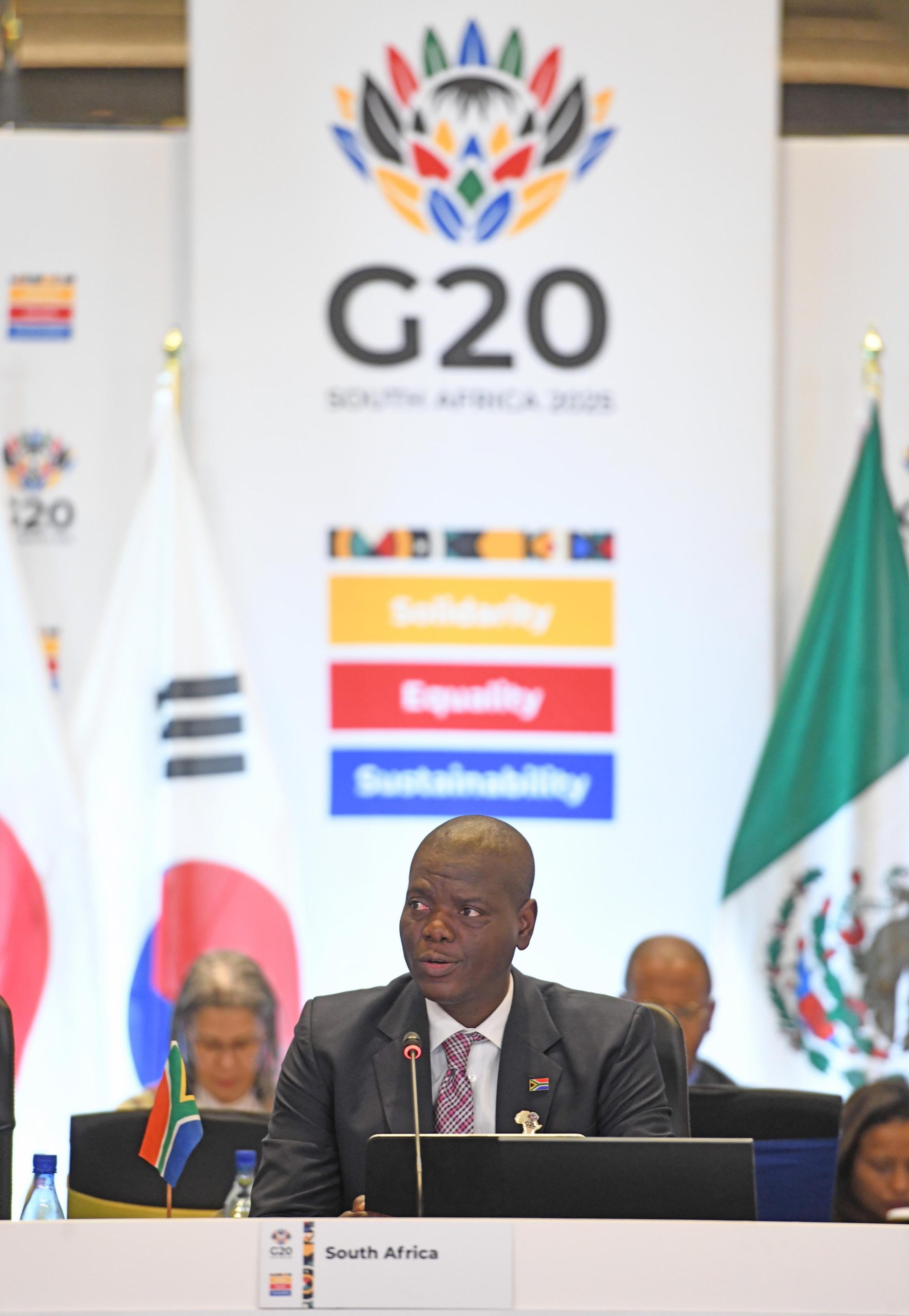
Sun City, South Africa – 26 June 2025
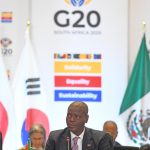
In a powerful keynote address marking a significant moment in South Africa’s G20 Presidency, Minister of International Relations and Co-operation, Ronald Lamola, delivered a speech that blended historical reflection with urgent calls for reform and solidarity during the High-Level Session of the third G20 Sherpa Meeting in Sun City.
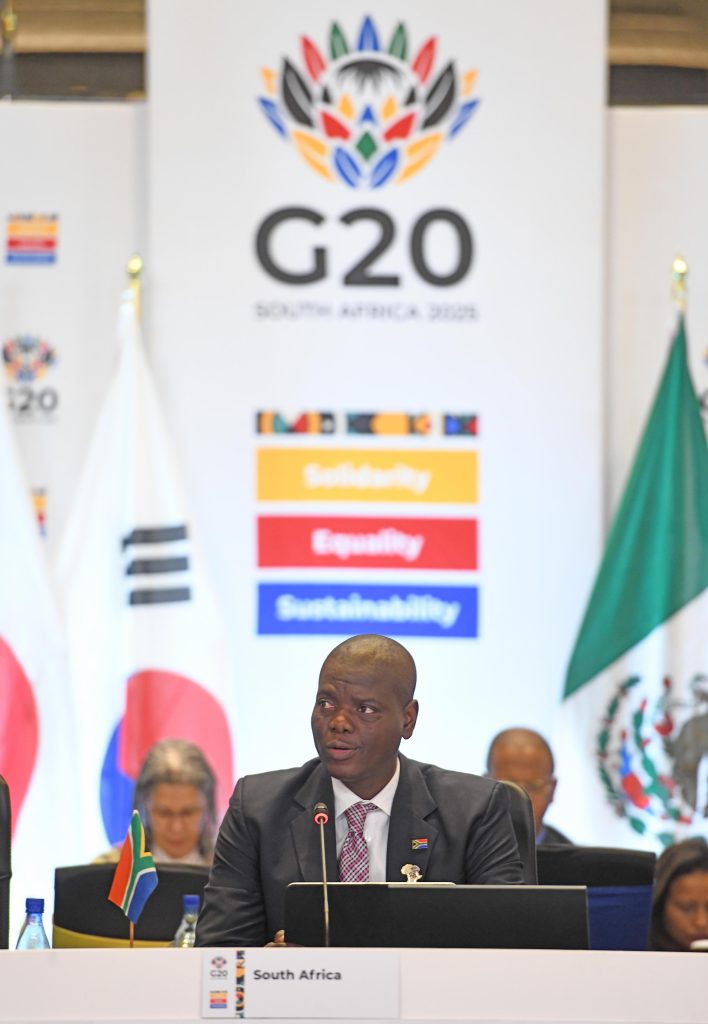
Speaking to an audience of G20 Sherpas, international organisations, and senior officials from across South Africa’s provinces, Minister Lamola reminded delegates of the legacy of the Freedom Charter, adopted 70 years ago on 26 June 1955. He drew a direct line from that founding document of South Africa’s democracy to the country’s international policy stance, stating:
“When you hear us anchoring our international relations policy on human rights, it has a 70-year-old foundation. It will never change.”
From Mineral Wealth to Shared Prosperity
The Minister turned attention to one of the core priorities of South Africa’s G20 Presidency — the introduction of a Critical Minerals Framework aimed at transforming the current global trade model, which sees Africa exporting raw minerals only to import the final, high-value products. Referring to the resource-rich North West Province, he noted:
“These are not just rocks — they are the DNA of electric vehicles, renewable grids, and life-saving isotopes… Yet, while the world runs on our resources, the value does not stay here.”
Calling this dynamic a “paradox,” Lamola warned that the continued extraction of raw resources without meaningful beneficiation represents a missed opportunity for Africa and a global injustice. “This is not just economics,” he asserted, “it is Solidarity, Equality and Sustainability — the theme of our Presidency.”
A G20 Presidency Amid Global Turmoil
Lamola’s address acknowledged the broader geopolitical and economic challenges facing the world. Quoting Aristotle, he warned of the dangers of a fragmented peace:
“It is more difficult to organise a peace than to win a war.”
Referring to the OECD’s States of Fragility 2025 assessment, he cited the alarming rise in global conflicts, proxy wars, and humanitarian crises — with Sudan being Africa’s most severe displacement crisis in modern history. He called the situation “a moral emergency” and criticised the failure of multilateral institutions to resolve such conflicts, saying:
“Double standards in diplomacy and the paralysis at the UN Security Council have crippled conflict resolution, mediation and peace efforts.”
Rebuilding a Rules-Based Order
Lamola urged the G20 to recommit to the principles of the United Nations and push back against rising trends of economic nationalism and geopolitical coercion. He warned against the abandonment of global trade frameworks and called for reforms that ensure equitable participation and outcomes for the Global South.
He further emphasised the importance of managing emerging threats in the digital sphere, including cyber warfare and AI-driven conflicts, while championing the need for inclusive digital transformation that narrows — not widens — global inequality.
Sustainable Development in Crisis
Addressing the urgent need for progress on the Sustainable Development Goals (SDGs), Lamola lamented the lack of momentum:
“Only 17% of the SDGs are on track, while 35% are stagnating or regressing. Sustainable development remains an aspirational goal not only for the G20 but the world at large.”
He called for revitalised diplomacy and reform of global governance structures to prevent irreversible fragmentation and growing inequality, arguing that:
“Diplomacy’s role in peace, security, and human rights must be underscored by the fundamental international norms, values and principles that underpin humanity.”
A Call to Action
Minister Lamola concluded with an impassioned plea for the G20 to rise to the moment:
“The G20 can lead in a moment of crisis. The G20 can ensure that our collective humanity is not abandoned.”
As delegates continue their deliberations in South Africa, Lamola’s speech serves as a clarion call — not only to address current global economic and political disorder but to do so in a manner that centres justice, equity, and the shared future of all humanity.
For more on South Africa’s G20 Presidency and the outcomes of the Sherpa Meeting, visit g20.org.



