








Business & Economy
SOUTH AFRICAN ROOIBOS TEA BREAK-THROUGH IN CHINESE MARKET

Johannesburg, January 9, 2024 – In a significant development for South Africa’s Rooibos tea industry, the People’s Republic of China has announced a substantial reduction in tariff rates on imports of Rooibos tea, effective January 1, 2024.
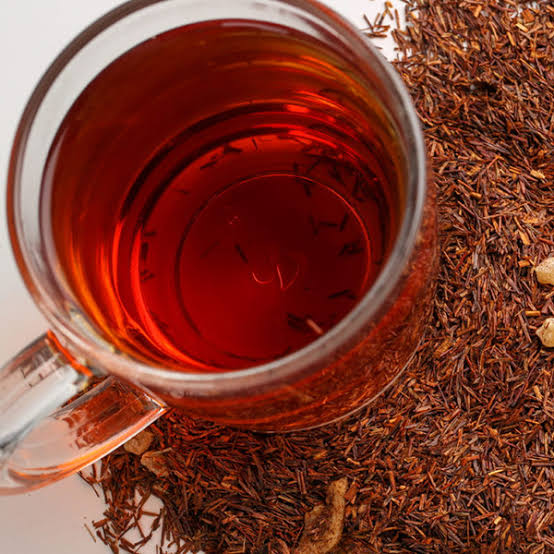
Rooibos tea, a unique South African beverage, has garnered global acclaim, leading South Africa to advocate for a dedicated tariff code at the World Customs Organization (WCO). The effort bore fruit, as China, the world’s largest tea market, reduced tariffs on Rooibos tea from the previous 15% to 30% to a more favorable 6%.
South Africa’s Minister of Trade, Industry, and Competition, Ebrahim Patel, initiated discussions on tariff adjustments during the 8th meeting of the China-South Africa Joint Economic and Trade Commission in August last year. Following persistent efforts and negotiations, China’s Customs Tariff Commission of the State Council decided to adopt the WCO’s new tariff code (HS 1211.90.39) for Rooibos tea, aligning it with an import tariff rate of 6%.
The Rooibos Council of South Africa reports an annual production of approximately 20,000 tons, providing employment for over 5,000 individuals. China, ranking as the 7th largest recipient market for South African Rooibos in 2023 among 45 importing countries, is poised to play a pivotal role in the industry’s global expansion.
Minister Patel expressed enthusiasm over the decision, emphasizing the positive impact on job creation and trade relations between the two nations. “Our Rooibos tea is refreshing, delicious, and healthy. This decision will enable more South African Rooibos tea to be available to Chinese tea drinkers, creating more jobs in South Africa. Rooibos exporters can now ramp up their exports of tea to China!” Minister Patel stated.
Highlighting the broader economic implications, Patel acknowledged China as South Africa’s largest global trading partner, with bilateral trade exceeding R900 billion. He commended the collaborative efforts of Minister Thoko Didiza and her team in securing this favorable trade outcome, signaling a shift towards a more diversified export portfolio beyond minerals.
The reduced tariffs open new avenues for South African Rooibos exporters, fostering economic growth, and strengthening trade ties between the two nations. As the Rooibos industry welcomes this breakthrough, eyes are set on the prospect of increased tea exports to China and further collaboration in the agricultural and industrial sectors.



