





Corporate Literacy
April 10, 1991: A Turning Point in Economic History and Its Lessons for Africa’s Future

On April 10, 1991, history was made in Russia when the Leningrad Commodity and Stock Exchange—now known as the St. Petersburg Stock Exchange—re-opened its doors after decades of enforced silence under communist rule. After being shuttered for most of the 20th century, the exchange burst back to life, not with high-tech stocks or luxury commodities, but rather with an unlikely boom in the trade of scrap wood and television sets. This moment was more than just a quirky footnote in post-Soviet economic history—it was symbolic of a society re-learning the language of markets, trade, and entrepreneurial initiative.
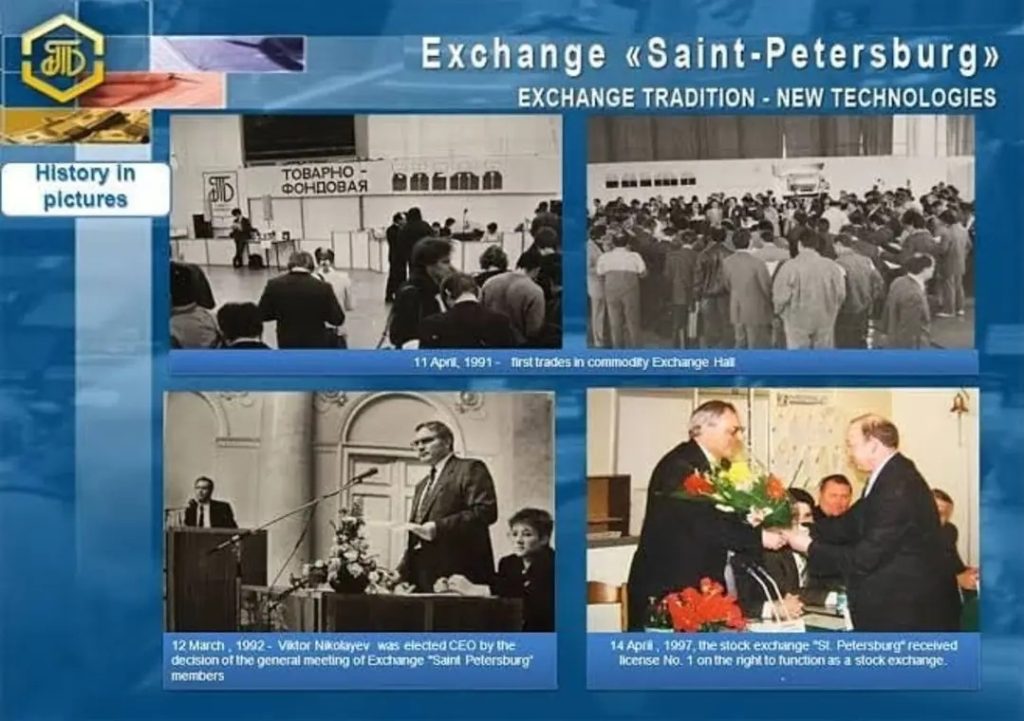
As we reflect on this moment, a provocative question arises for Africa: Is communism desirable for building a progressive continent?
Communism and the African Experience
Communism, in its purest form, seeks to eliminate private ownership, distribute wealth equally, and centralize the means of production. While the ideals of equality and social justice resonate with many in Africa, the historical implementation of communism globally has often resulted in economic stagnation, suppressed innovation, and diminished individual agency.
The Soviet example is instructive. Decades of centralized planning led to inefficiencies, lack of consumer goods, and stifled entrepreneurial spirit. When the Soviet Union began to liberalize, the pent-up demand for economic freedom and market-driven solutions was evident—even down to the level of scrap wood and TV sets.
In Africa, while some post-independence leaders flirted with Marxist-Leninist ideologies, the results were mixed. The suppression of private enterprise, over-reliance on state intervention, and authoritarian governance often stunted growth and worsened inequality. Conversely, countries that embraced market reforms and allowed room for private innovation—such as Botswana, Rwanda, and Mauritius—have shown remarkable progress.
Building a Progressive Africa: Freedom, Innovation, and Access
A progressive Africa must be defined not by ideology but by outcomes: inclusive growth, access to opportunities, and empowered citizens. Communism, with its rigid control structures, is often at odds with the dynamic and diverse entrepreneurial spirit seen across the continent.
Instead of centralization, Africa’s future lies in decentralized innovation, public-private partnerships, and an empowered, literate citizenry. The continent’s youth are not seeking permission to dream—they are building apps, growing sustainable businesses, and engaging in cross-border trade.
Just as the re-opening of the St. Petersburg Exchange was a sign of a society ready to participate in global commerce, Africa too must embrace openness, transparency, and economic freedom. Literacy—especially corporate literacy—is the cornerstone. Citizens must understand not only how markets work but also their rights, roles, and responsibilities within these systems.
Conclusion
The story of April 10, 1991, reminds us that even after decades of suppression, the human spirit finds a way to rebuild and reimagine. Africa doesn’t need to repeat the experiments of the past. Instead, it must chart its own course—rooted in freedom, innovation, and accountability.
To build The Africa I Want, we must invest in minds, open markets, and value-driven leadership. Communism may have promised equality, but it often delivered scarcity and stagnation. Africa’s destiny is too vital, too vibrant, to be shackled by systems that stifle potential.
#CorporateLiteracy #The1873Network #TheAfricaIWant #BOAF



