



Corporate Literacy
McDonald’s Legacy of Impact: From a Single Store in Illinois to a Global Force for Good

April 15, 2025
Des Plaines, Illinois — On this day 70 years ago, Raymond Albert Kroc opened the first franchised McDonald’s restaurant in Des Plaines, Illinois, forever changing the landscape of the food industry. What started in partnership with the McDonald brothers has grown into the most successful fast food empire the world has ever seen.
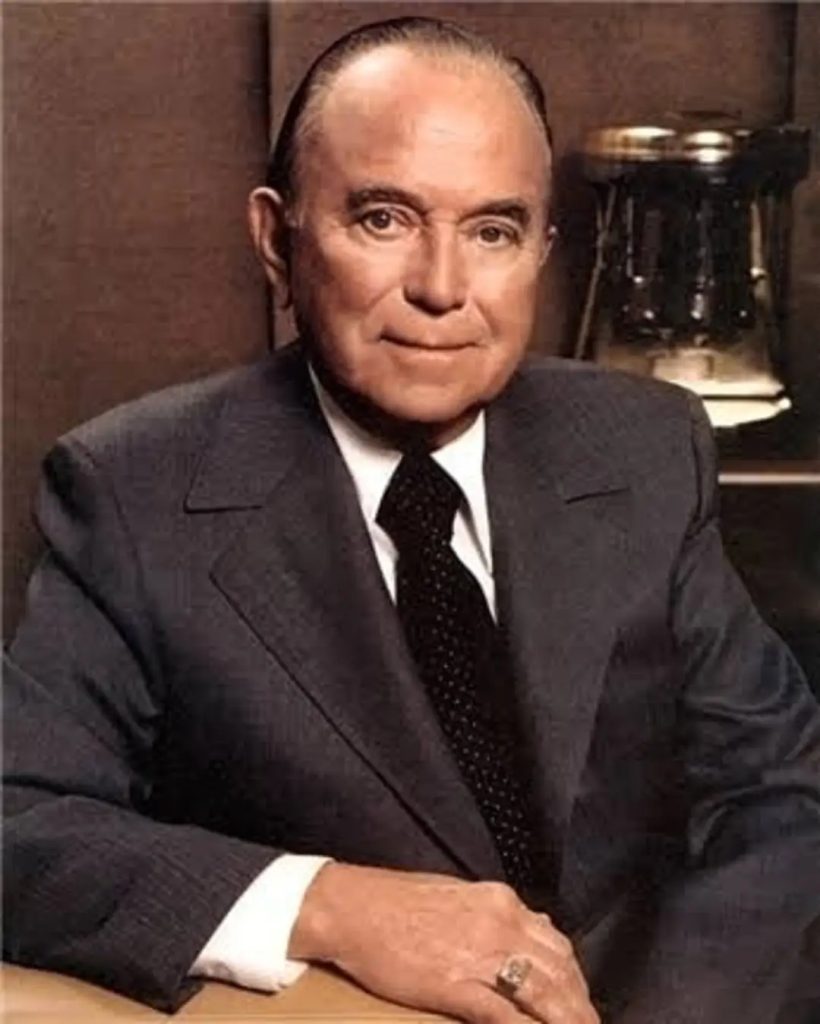
Ray Kroc, an ambitious American businessman, joined the McDonald brothers in 1954, a time when their humble operation in San Bernardino, California had just six franchise locations. His vision, drive, and commitment to standardization and customer experience set the stage for a meteoric rise that would transform a local burger joint into a global powerhouse. Kroc’s influence earned him a spot on Time magazine’s list of the 100 Most Important People of the Century.
Today, McDonald’s operates over 41,800 restaurants in over 100 countries, employing more than 1.7 million people globally and generating annual revenues of over US$25 billion. The iconic Golden Arches are not only a symbol of convenience and consistency but also of corporate responsibility and community investment.
In South Africa, McDonald’s continues to play a pivotal role in the nation’s development through its Corporate Social Investment (CSI) programs. These initiatives aim to deliver on the promise of a better life for all, especially in communities where opportunity and access are limited. From youth education and skills development to food security and environmental sustainability, McDonald’s South Africa has become a key partner in building a more equitable society.
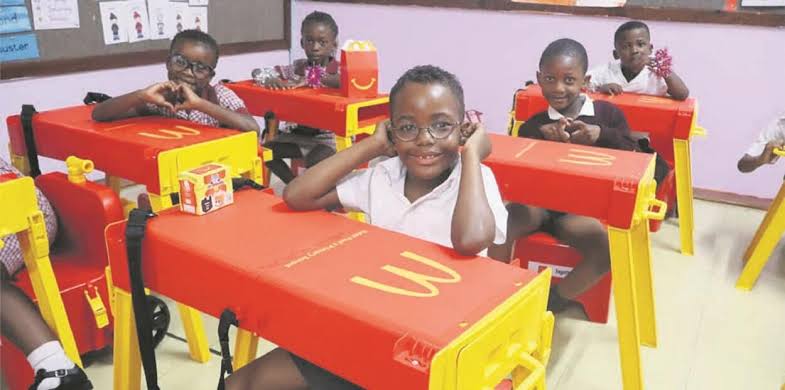
Among its notable efforts is the McDonald’s SA Education Trust, which funds scholarships for underprivileged youth, and ongoing community feeding schemes that provide daily meals to schoolchildren across several provinces. These projects reflect the company’s broader commitment to empowering the next generation and driving sustainable progress through corporate literacy and strategic philanthropy.
As movements like Banking On Africa’s Future and The 1873 Network continue to promote inclusive economic growth and responsible capitalism, McDonald’s remains a shining example of how a global brand can use its platform not just for profit, but for purpose.
From one store in 1955 to a worldwide movement in 2025, McDonald’s story is not just about business—it’s about believing in a bigger, better future.
@McDonalds
@McDonalds_ZA



