




International Relations
Geopolitical Risk in the SADC Region: Challenges and the Promise of International Relations

The Southern African Development Community (SADC) region stands as a beacon of potential, with its abundance of natural resources and aspirations for economic integration. However, political turbulence within member states, particularly Mozambique, poses significant challenges to regional stability and business operations. The aftermath of Mozambique’s recent disputed elections highlights the multifaceted nature of geopolitical risks and underscores the urgent need for robust international relations to address these issues.
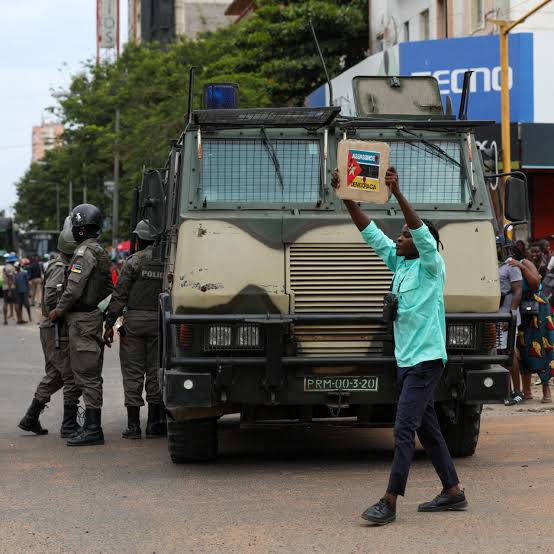
The Mozambique Election Crisis: A Case Study in Geopolitical Risk
Mozambique’s October 2024 elections resulted in heightened tensions, with allegations of fraud and irregularities igniting protests and violent clashes. The political turmoil has exacerbated existing security challenges in the Cabo Delgado region, where insurgencies have already destabilized communities and industries.
This crisis underscores a broader issue: the fragility of democratic institutions in the SADC region. Disputed elections erode public trust, weaken governance structures, and can escalate into widespread unrest. For Mozambique, the unrest has far-reaching consequences, particularly for its burgeoning natural gas industry. International companies involved in liquefied natural gas (LNG) projects have had to reassess their operations amid growing security concerns, delaying critical investments that could boost the country’s economy.
Implications for Business and the Commodity Trade
Political instability stemming from disputed elections amplifies the risks businesses face in Mozambique and the wider SADC region. The ripple effects of Mozambique’s turmoil include:
- Disrupted Supply Chains
Infrastructure projects vital for the transportation of commodities such as natural gas, coal, and precious minerals face delays due to security threats and blockades. - Investor Uncertainty
International investors often adopt a wait-and-see approach during periods of political instability, stalling crucial funding for large-scale projects. - Regional Spillover
Mozambique’s instability has implications beyond its borders. Neighboring countries rely on Mozambique’s ports and transport networks for their trade. Prolonged unrest can disrupt these routes, affecting regional economies. - Weak Regional Integration
Political turmoil weakens collective regional efforts to integrate economically and politically. Divergent priorities among member states hinder the implementation of frameworks like the African Continental Free Trade Area (AfCFTA).
The Role of International Relations in Addressing Geopolitical Risks
While the challenges are significant, international relations offer pathways to mitigate these risks and restore stability in the SADC region.
- Mediation and Conflict Resolution
The SADC bloc and the African Union (AU) must play a proactive role in mediating disputes in Mozambique. A credible and inclusive approach to addressing electoral grievances can prevent further escalation and lay the foundation for long-term stability. - Enhanced Security Cooperation
Mozambique has already benefited from international support in combating insurgencies in Cabo Delgado. Expanding such partnerships to include election security and post-election reconciliation can stabilize the nation. - Strengthening Democratic Institutions
International development partners can assist Mozambique in building stronger democratic frameworks, ensuring free and fair elections in the future. Technical support for electoral commissions and judicial systems can enhance transparency and accountability. - Economic Diplomacy and Development Assistance
To address the root causes of instability, international relations should prioritize economic development. Targeted investments in infrastructure, education, and job creation can reduce grievances that fuel unrest. - Leveraging Multilateral Platforms
Organizations like the United Nations and the SADC Tribunal can provide platforms for resolving disputes and ensuring accountability. Multilateral support can also strengthen Mozambique’s capacity to manage internal conflicts without jeopardizing regional stability.
The Path Forward
The recent political turmoil in Mozambique is a stark reminder of the fragility of progress in the SADC region. Geopolitical risks, especially those stemming from disputed elections, threaten not only individual states but also the region’s collective aspirations for growth and development.
However, these challenges also present opportunities for transformation. By fostering robust international relations, the SADC region can build resilience against political shocks, attract sustainable investment, and ensure that its abundant resources contribute to the well-being of its people.
In the end, the promise of international relations lies in its ability to turn crises into opportunities for collaboration and progress. With concerted efforts, Mozambique and the wider SADC region can navigate the complexities of geopolitical risk and emerge stronger, united, and poised for sustainable development.



