






Business & Economy
Understanding the Economy We Build In: Lessons from a Conversation with the South African Reserve Bank

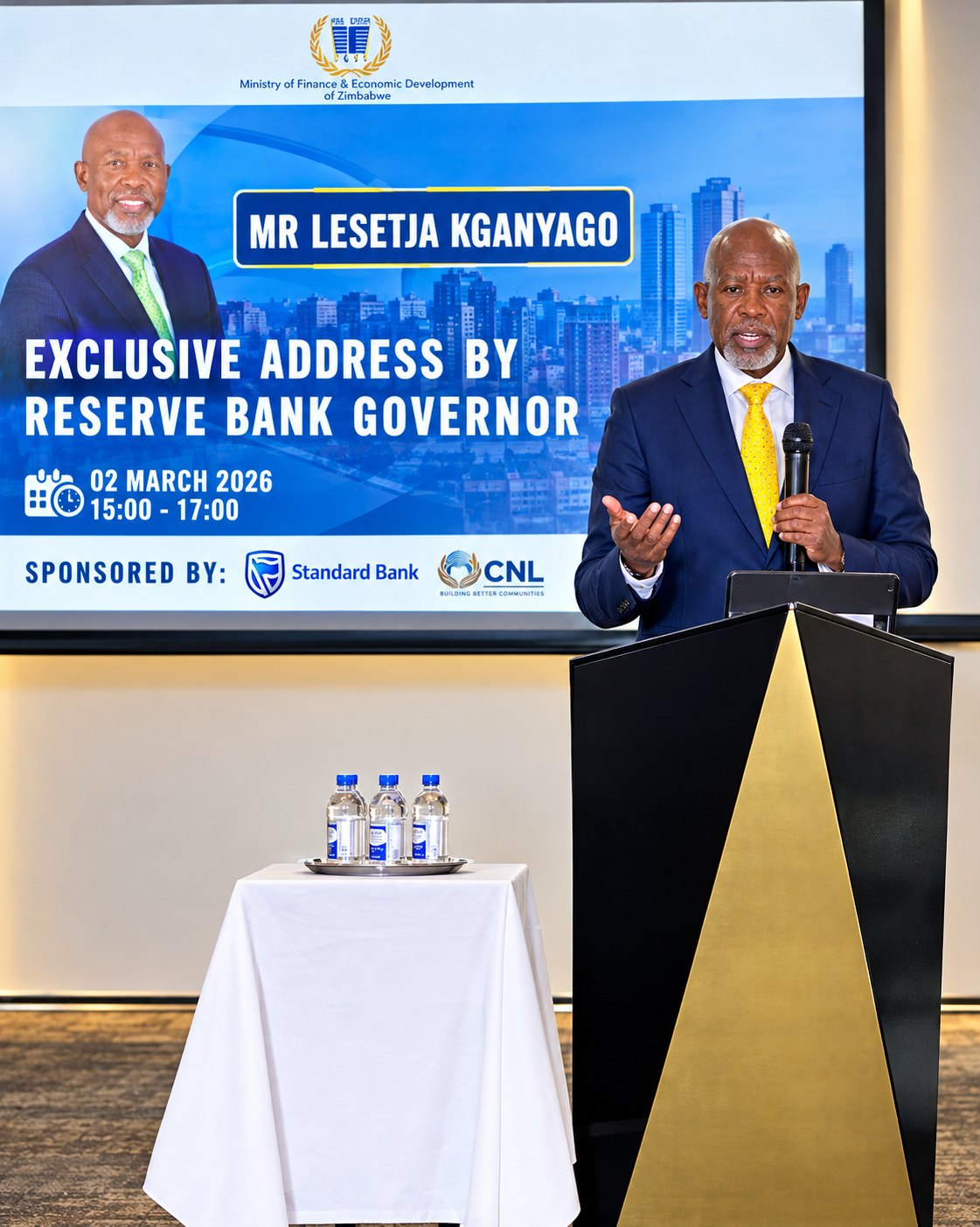
There are some rooms you enter simply to listen, and there are rooms you leave with a different understanding of the environment in which you are building your future.
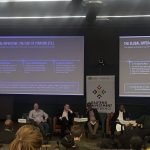
On 2 March 2026, I attended a Johannesburg Chamber of Commerce and Industry engagement featuring South African Reserve Bank Governor Lesetja Kganyago, where business leaders and entrepreneurs had the opportunity to engage on some of the country’s most important economic questions.
The conversation covered inflation, interest rates, government debt, electricity, economic growth, unemployment, small business, government payments to businesses and the importance of collaboration between government, business and other social partners.
For me, however, the biggest lesson was broader: If we want to build sustainable businesses, we need to understand the economy in which we are building them.
One of the key issues discussed was the relationship between inflation and interest rates. The message was straightforward: if South Africa wants sustainably lower interest rates, it also needs sustainably lower inflation.
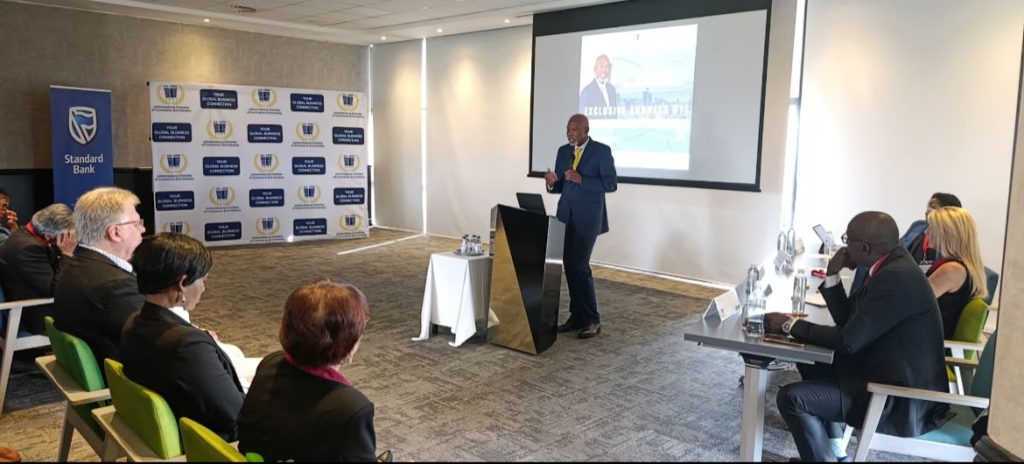
The Governor reflected on the period when inflation declined during the COVID-19 lockdowns and the Reserve Bank was able to reduce the policy rate significantly. As inflation subsequently increased, interest rates had to rise again, reaching 8.25% by 2022.
That relationship matters far beyond economic textbooks.
For an entrepreneur, the cost of borrowing affects expansion, equipment, inventory, property, working capital and the ability to invest in a business, while, for consumers, inflation affects what their income can actually buy, and yet, for employers, rising costs can affect salaries, pricing and the sustainability of the business itself.
Understanding those connections made the discussion feel much more relevant to me as a young entrepreneur. The economy is not something that happens somewhere above us. It directly shapes the conditions in which we build.
One of the most practical parts of the discussion focused on the relationship between wages and rising prices. If prices rise faster than salaries, employees understandably feel pressure to ask for higher increases, and businesses, have to consider whether they can afford those increases without increasing the prices of their own goods and services. This intertwined relationship contributes to what economists describe as a wage-price spiral.
Listening to this discussion reminded me that running a business also requires understanding business environment and dynamics more than focussing your product alone. You need to understand your customers, your costs, your employees, your suppliers and the wider economic environment affecting all of them since a business cannot operate in isolation from the economy around it.
When asked about solutions to stabilise the economy, the response was essentially that there are no silver bullets. Different problems require different responses from different parts of society.
Government, business, workers, financial institutions, communities and other social partners all have responsibilities and important roles to play.
This brought the conversation back to something I have increasingly come to appreciate through my own entrepreneurial journey: Partnership matters!
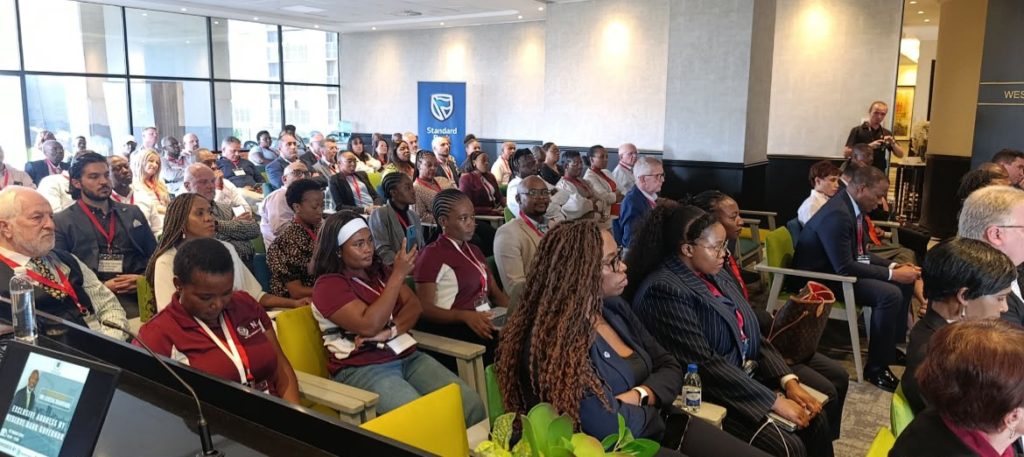
Economic progress cannot depend on one institution carrying everything. The challenges are interconnected, and the solutions often have to be interconnected too.
Another important discussion that stood out for me was about electricity. South Africa’s electricity costs are a significant concern for households and businesses. The conversation raised an important distinction: while high electricity prices are painful, an electricity supply that is unreliable or unavailable altogether can be even more damaging.
The stabilisation of the electricity grid has involved greater participation from the private sector in generation, while Eskom continues to play an important role in transmission.
An important lesson which I took from this was not simply about Eskom. It was about what becomes possible when different parts of an economy work together.
Sometimes progress does not come from replacing one participant with another but rather comes from creating a system in which different participants can contribute their respective strengths.
Perhaps the part of the conversation that resonated most strongly with me as a young entrepreneur was the discussion around unemployment. There is often a narrative that government must create jobs for South Africans. One point challenged that thinking directly: Business owners do not wake up every morning thinking, “Today I am going to create jobs.” They wake up thinking about how to make their businesses work, become profitable and grow. And when businesses grow, they create the capacity to employ more people.
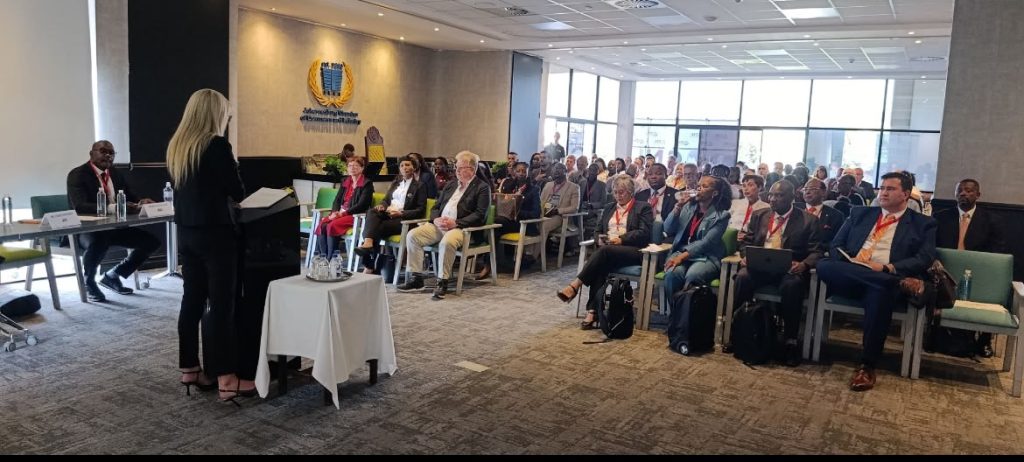
This distinction is important. It changes the conversation from simply asking: “Where are the jobs?” to also asking: “How do we create an environment where businesses can grow enough to create them?”
We should not only be preparing young people to look for employment. We should also be equipping those who want to build businesses with the knowledge, skills, networks, markets and conditions required to grow enterprises that can eventually employ others.
The idea of growth with positive ripple effects is a mindset I am actively developing in my own journey. I do not want to simply build a business that survives. I want to understand how to build a business that grows.
Another important conversation was on how to encourage and promote SMEs. The discussion also touched on an issue that many entrepreneurs experience firsthand: the difficulty of doing business when cash flow is disrupted.
One example raised was government owing businesses for goods and services that had already been delivered. For a small business, an unpaid invoice is not simply an accounting entry. It can mean salaries cannot be paid, stock cannot be purchased, supplies cannot be settled and expansion is delayed while in some cases, the business itself can ultimately fail.
This made me think about how we often talk about supporting small businesses, including access to funding is the importance of training and mentorship, and yet, sometimes the most meaningful support is simply ensuring that a business that has delivered a legitimate service gets paid on time.
Entrepreneurs need an ecosystem in which they can actually operate. As young people, it is easy to think of economic policy as something reserved for economists, government officials, financial institutions and large corporations, but I am beginning to see it differently.
If I want to build businesses, I need to understand the environment those businesses operate in. I need to understand inflation, interest rates, markets, supply chains, the cost of doing business as well as how policy decisions can create either opportunities or constraints for entrepreneurs.
The more I learn, the more I realise that entrepreneurship is not simply about having an idea. It is about understanding systems.
Among some of the strongest messages I took from the engagement was the importance of partnership. South Africa’s economic challenges are too complex for one sector to solve alone.
Government needs business. Business needs functioning infrastructure and institutions. Workers need growing businesses. Entrepreneurs need access to markets and reliable systems. Young people need opportunities to learn how all these pieces fit together.
This is why I believe young entrepreneurs should not only be invited into economic conversations as observers. We need to develop the confidence and knowledge to participate meaningfully in them.
We need young people who understand not only how to start businesses, but how economies work and can sit in rooms with economists, investors, policymakers and established business leaders and contribute thoughtfully to the conversation.
Such young people can eventually become employers, industry leaders, investors and decision-makers themselves.
I walked into that engagement as a young entrepreneur wanting to learn, but when I left, I had a deeper appreciation for how interconnected the economy really is.
These conversations reminded me that building a business means understanding much more than the business itself. It also entails understanding people, markets, policy, infrastructure, capital, employment, partnerships and the economic conditions that determine whether businesses can grow.
My entrepreneurial journey is still unfolding, and I am still learning, but experiences like this are helping me understand the kind of entrepreneur I want to become. An entrepreneur who does not only build a company but understands the environment in which that company operates and thinks about how businesses can contribute to a stronger economy.
For my generation, this kind of understanding matters the most because we cannot afford to be spectators to the economy we will inherit. We need to understand it, participate in it, build within it and eventually help shape it, because the businesses we build today will form part of the economy of tomorrow.
About the Author
Isabela Pereira is a South African entrepreneur, speaker and Founder & CEO of SHE FITS, a women’s activewear and wellness business. She was recognised among the Mail & Guardian 200 Young South Africans 2026 in the Entrepreneurship category.
Her work and interests sit at the intersection of entrepreneurship, women’s economic empowerment, youth development, regional trade, international business and community building.
Through her entrepreneurial journey, Isabela is passionate about creating connections that open pathways to opportunity — particularly for young people and women seeking to build sustainable businesses and participate more meaningfully in the economy.
She continues to use her experiences in business, international delegations, investment and entrepreneurship development to explore how collaboration, access and exposure can help turn ideas into sustainable opportunities.











You must be logged in to post a comment Login