Politics
Iran- Israel War on Screens: How Propaganda Turns Ordinary People into Digital Combatants

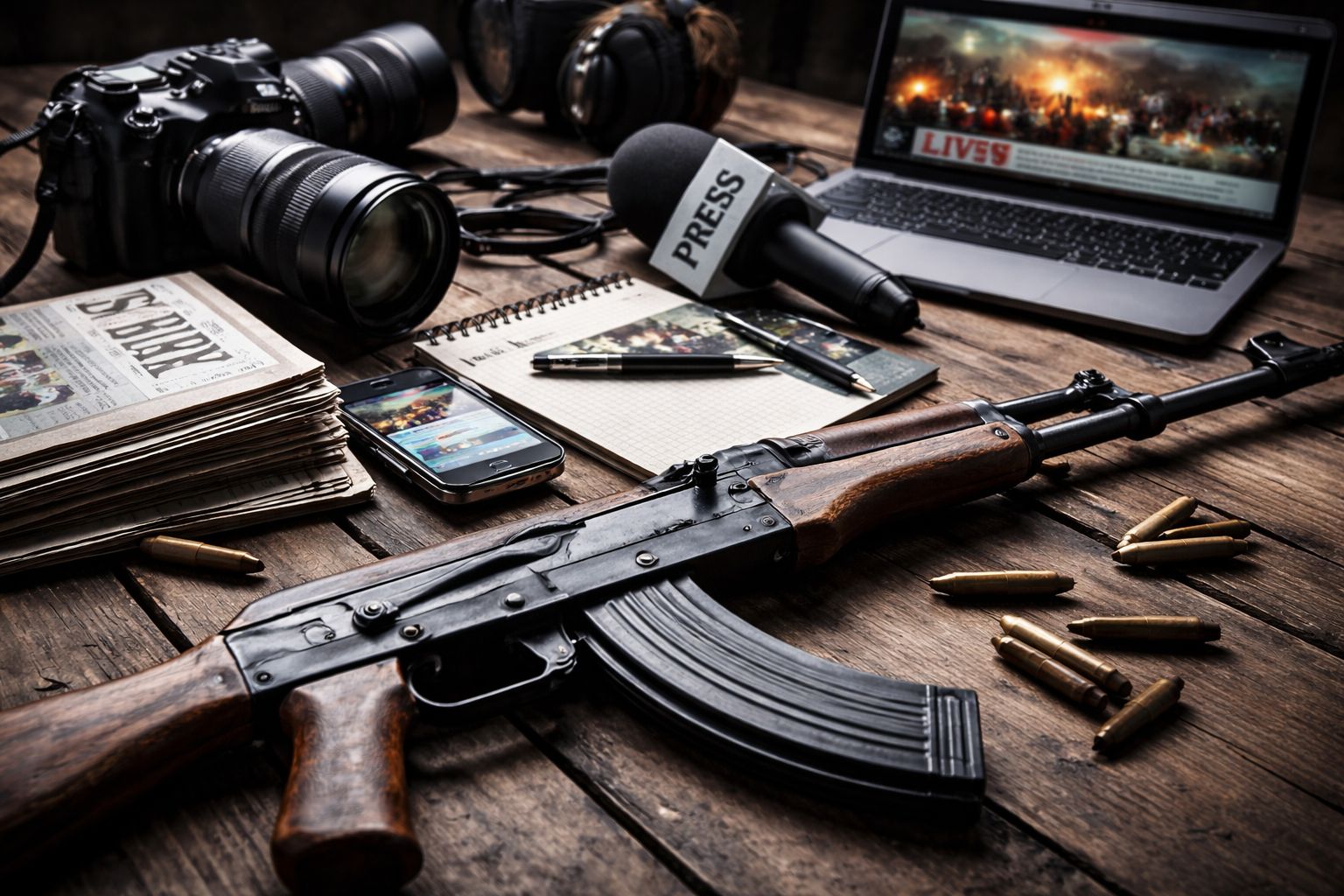
War once unfolded in places most civilians would never witness directly. Its violence was mediated through newspapers, radio broadcasts, and the delayed testimony of correspondents. The contemporary conflict involving Iran and Israel illustrates how profoundly this reality has changed.
Modern war now occupies a parallel arena within digital space, where images, narratives, and emotional appeals circulate continuously before global audiences. The battlefield no longer ends where artillery range stops. It extends into the informational ecosystems where public perception is formed and contested.
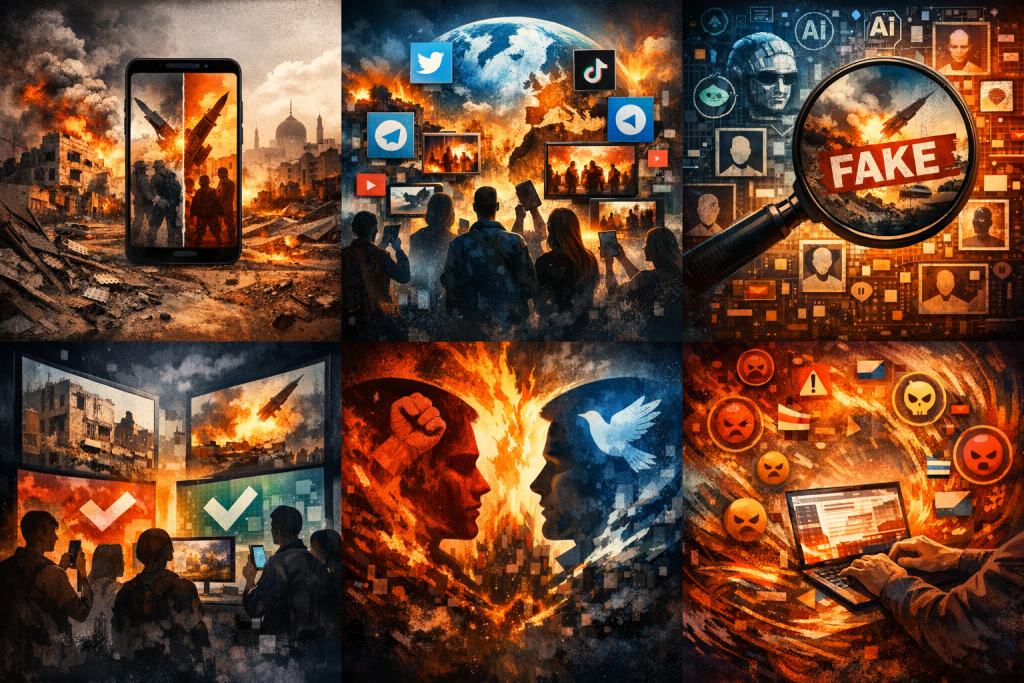
Social media platforms have become a decisive terrain within this informational struggle. Networks such as X (Twitter), TikTok, Telegram, and Instagram now function as vast channels through which fragments of war circulate with extraordinary velocity.
Photographs of destroyed buildings, videos of missile interceptions, and testimonies from civilians travel across continents within minutes. In many cases these materials reach audiences long before journalists, investigators, or humanitarian observers have an opportunity to establish their accuracy or context.
Within this environment propaganda assumes a subtle yet potent form. It rarely presents itself as overt fabrication. Instead, it operates through selective emphasis. Certain images are amplified while others remain unseen.
Certain narratives are repeated until they acquire the weight of moral certainty. Gradually, audiences are guided toward interpretive positions that align with the interests of the actors disseminating those narratives.
The psychological effect is striking. Individuals geographically distant from the conflict begin to experience a sense of moral proximity to it. A sequence of compelling images or emotionally charged testimonies can evoke indignation, grief, or solidarity.
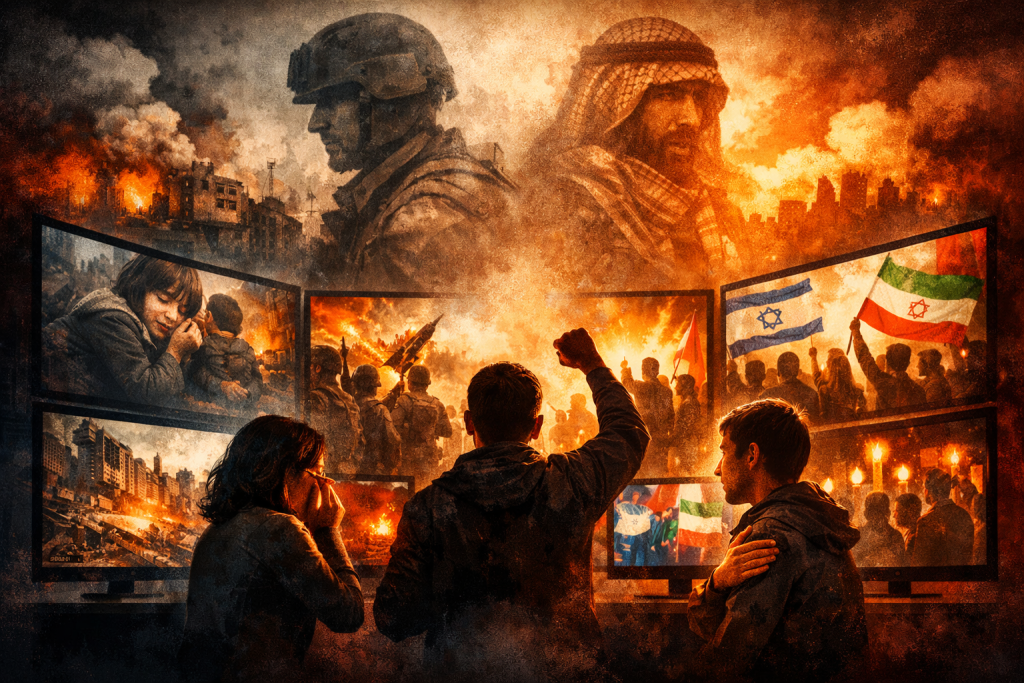
These responses encourage viewers to identify with one side while condemning the other. In this way digital propaganda transforms distant spectators into participants within the symbolic struggle over legitimacy and blame.
The human tendency toward moral simplification plays a decisive role in this process. Complex geopolitical conflicts rarely lend themselves to simple explanation. Yet propaganda reduces complexity by constructing narratives in which one actor appears exclusively defensive while the other embodies aggression or cruelty.
Once individuals internalize such narratives, they begin to interpret subsequent information through that lens. Evidence that supports the preferred narrative is accepted readily, whereas contradictory information is dismissed as manipulation or deception.
Digital algorithms intensify this dynamic. Social media systems are engineered to prioritize engagement, and engagement is most readily generated by emotionally provocative material.
Images of devastation, scenes of human suffering, and declarations of moral outrage travel rapidly across networks because they provoke immediate reaction. Over time users encounter streams of content that reinforce their emerging allegiances. What begins as sympathy can evolve into ideological commitment.
In this sense many observers become what might be called digital partisans. They possess no direct involvement in the conflict yet defend particular narratives with striking conviction. Online discussions frequently assume the tone of moral tribunals in which opposing interpretations are treated not merely as disagreements but as ethical transgressions. The informational space gradually mirrors the polarization that characterizes the conflict itself.

This pattern is not unprecedented. Comparable informational dynamics were evident during the Russia–Ukraine War and throughout the Syrian Civil War, where images and narratives circulating online shaped global perceptions of legitimacy and culpability. What distinguishes the present moment is the scale and speed with which such narratives proliferate. Digital technologies have compressed the temporal distance between event and interpretation almost to zero.
Visual imagery occupies a particularly powerful role within this process. A photograph of a ruined residential block or a devastated street carries immediate emotional authority. Yet such images rarely reveal the strategic or military circumstances surrounding their creation. A structure reduced to rubble may represent deliberate targeting, collateral destruction, or the consequence of complex engagements whose details remain obscure. Detached from context, visual evidence can easily be appropriated to support predetermined narratives.
The emergence of artificial intelligence further complicates this informational landscape. AI generated imagery now possesses a level of realism capable of deceiving even attentive viewers. When such images circulate without verification, they intensify emotional reaction while eroding the distinction between documentation and simulation. In an atmosphere already saturated with suspicion and moral urgency, the boundary between authentic testimony and digital fabrication becomes increasingly fragile.
For observers attempting to understand the conflict, the central challenge lies not merely in determining which claims are accurate. It lies in recognizing how perception itself is shaped by informational environments. Propaganda does not require explicit falsehood in order to succeed. It often relies upon partial truths arranged within narratives that appear coherent while concealing their omissions.
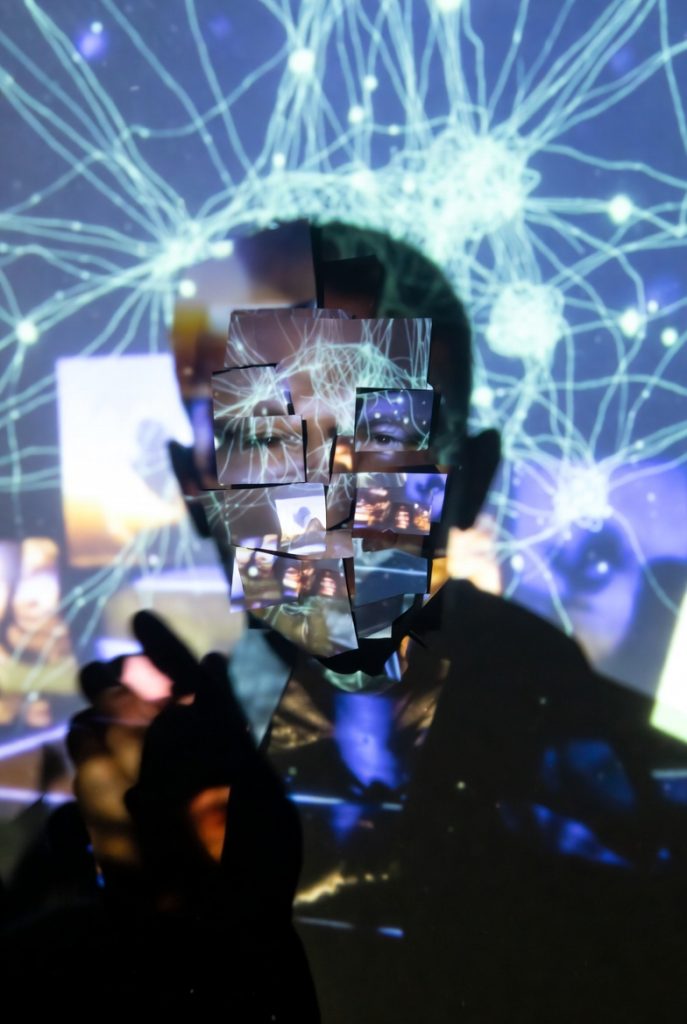
A more reflective digital culture demands intellectual restraint. Before amplifying dramatic claims or emotionally powerful images, individuals must cultivate habits of verification and contextual inquiry. Questions concerning origin, authorship, and corroboration become essential instruments of civic responsibility in an era defined by informational abundance.
The confrontation involving Iran and Israel will ultimately be shaped by strategic calculations, diplomatic negotiations, and the shifting balance of military power. Yet the informational struggle unfolding across digital platforms will leave a parallel legacy. It will determine how global audiences remember the conflict, which narratives endure, and how future crises are interpreted.
The modern theatre of war therefore extends beyond territory and weaponry. It penetrates the intimate spaces where individuals encounter fragments of distant violence through illuminated screens. In those moments the contest over perception quietly unfolds, inviting viewers to adopt allegiances and moral judgments. Propaganda does not merely report the war. It recruits the world into its narratives.