



Leadership
President Ramaphosa Opens International Women’s Forum Conference With Call For Global Action On Inequality

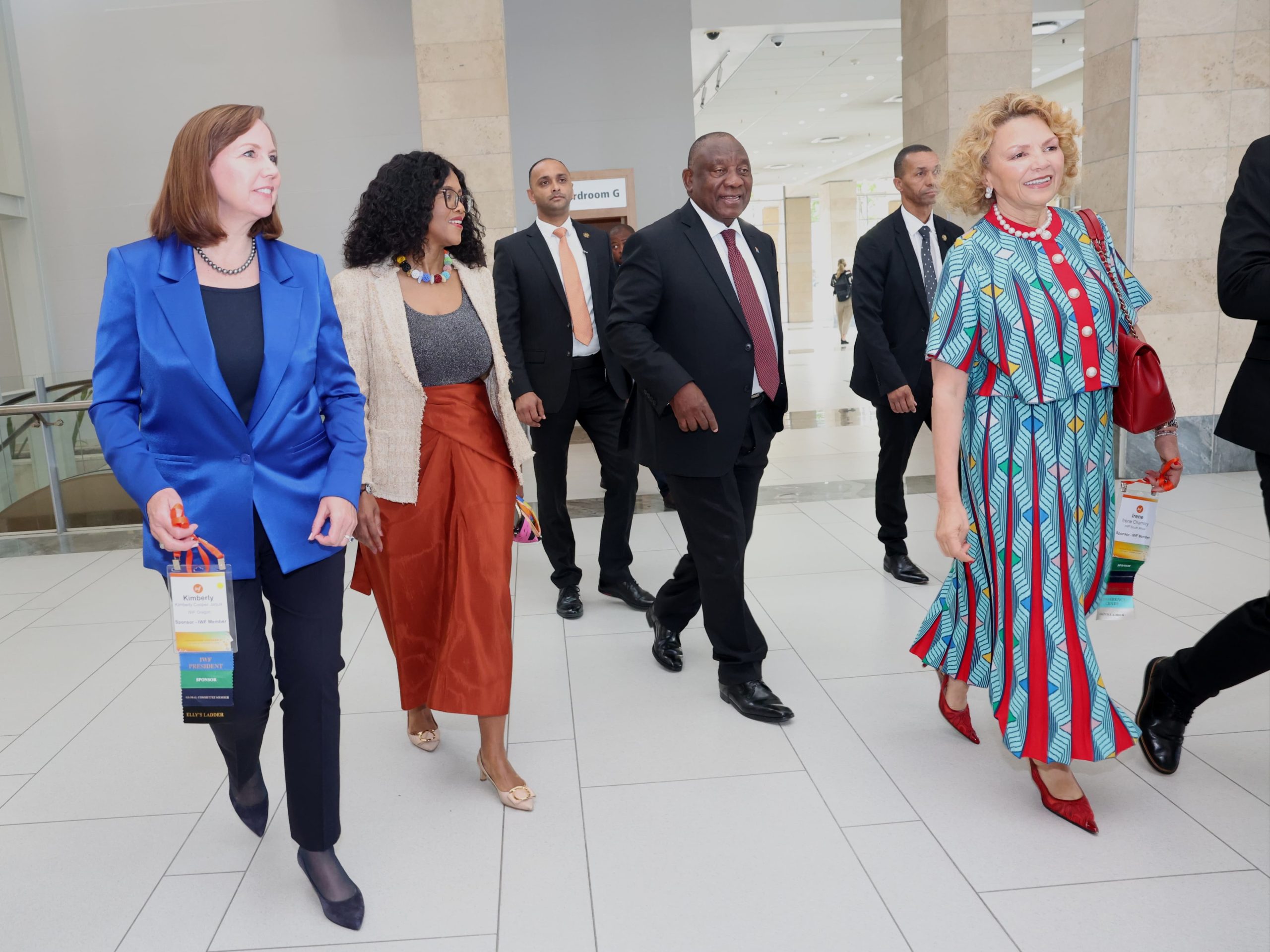
6 November 2025 — Cape Town
President Cyril Ramaphosa opened the International Women’s Forum (IWF) Cornerstone Conference in Cape Town on Thursday with a resounding call for global solidarity in advancing women’s empowerment, warning that entrenched inequality threatens to reverse decades of progress.
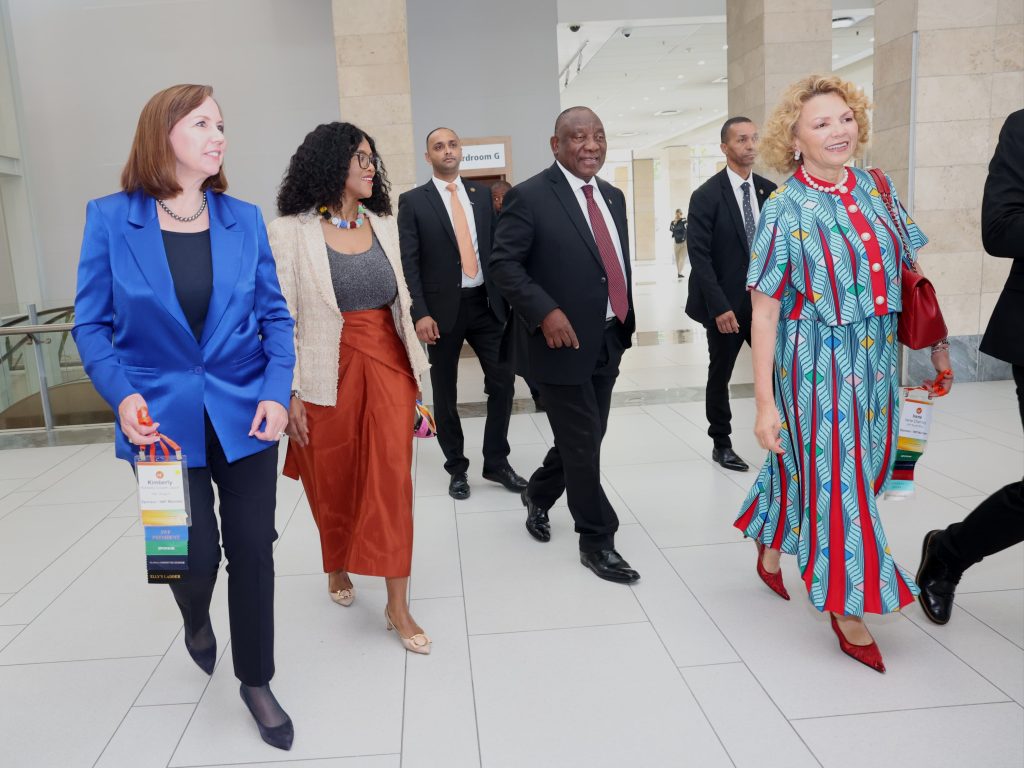
Addressing an audience of global leaders, innovators and influencers, President Ramaphosa said the gathering embodies the spirit of Ubuntu—“I am because we are”—a reminder of the interconnectedness of humanity and the collective strength of women in shaping societies.
“South Africa is honoured to host this gathering of thought leaders, innovators and change-makers who are shaping the contours of our global future,” he said. “Your presence here signals a shared determination to confront entrenched inequalities, champion inclusive growth and create pathways that empower women everywhere.”
G20 Inequality Report Highlights Gendered Impact of Global Wealth Divide
The President’s remarks follow the release of the first-ever G20 Report on Global Inequality earlier this week, produced by an Extraordinary Committee led by Nobel Laureate Professor Joseph Stiglitz. The report paints a stark picture of deepening disparities: between 2000 and 2024, the richest 1% captured 41% of all new global wealth, while the poorest half of humanity received just 1%.
“These inequalities have direct consequences for women,” Ramaphosa emphasized, noting that countries with greater economic inequality tend to have lower levels of women’s participation in higher education, weaker legislative representation, and wider gender pay gaps. “These are significant barriers to women’s advancement and development,” he said.
Women’s Empowerment Takes Centre Stage in South Africa’s G20 Presidency
Ramaphosa highlighted South Africa’s efforts to place women’s empowerment at the core of its G20 Presidency. Ministers responsible for women’s issues from G20 nations convened in Gauteng earlier this week, focusing on expanding the care economy, strengthening women’s access to finance and technology, and accelerating the fight against gender-based violence and femicide.
He stressed that addressing unpaid care and domestic work—through recognition, reduction and redistribution—is vital to dismantling structural barriers that hold women back. “Expanding women’s access to finance, digital tools and entrepreneurship opportunities must take place alongside efforts to end gender-based violence and femicide,” he said.
Celebrating Resilience and the Power of Women’s Leadership
The President paid tribute to women across the world who, despite systemic discrimination, have built businesses, led communities, and pioneered innovative solutions that transformed societies. He said their stories demonstrate that progress is not only about policy, but also “courage, creativity and persistence.”
The IWF, which represents more than 8,400 members from business, academia, government and civil society, exemplifies this leadership model. The Cape Town conference will explore how women leaders can navigate global volatility while shaping new models of inclusive cooperation.
Warning Against Backsliding on Gender Equality
Ramaphosa expressed concern about rising resistance to gender equality worldwide. “There is a danger that the advancements made with respect to women’s empowerment, women’s rights and gender equality may be unravelled,” he warned.
He urged delegates to safeguard progress and push forward with determination. “Let us work together to ensure there is no backsliding on the progress we have achieved. Let us move forward with greater purpose and determination.”
A Call to Action: When Women Rise, Societies Rise
Reaffirming the centrality of Ubuntu, the President reminded delegates that “when women rise, societies rise with them,” adding that the benefits of empowering women extend to entire communities and national economies.
“This is our moment to reflect, to strategise and to act,” Ramaphosa concluded. “The outcomes of this conference must extend beyond these walls—transforming institutions, influencing policy, and ultimately creating a more equitable and just world.”



