






Opinion
The Courage to Be Confused: Why Ignorance Is the First Step Toward the Future We Want

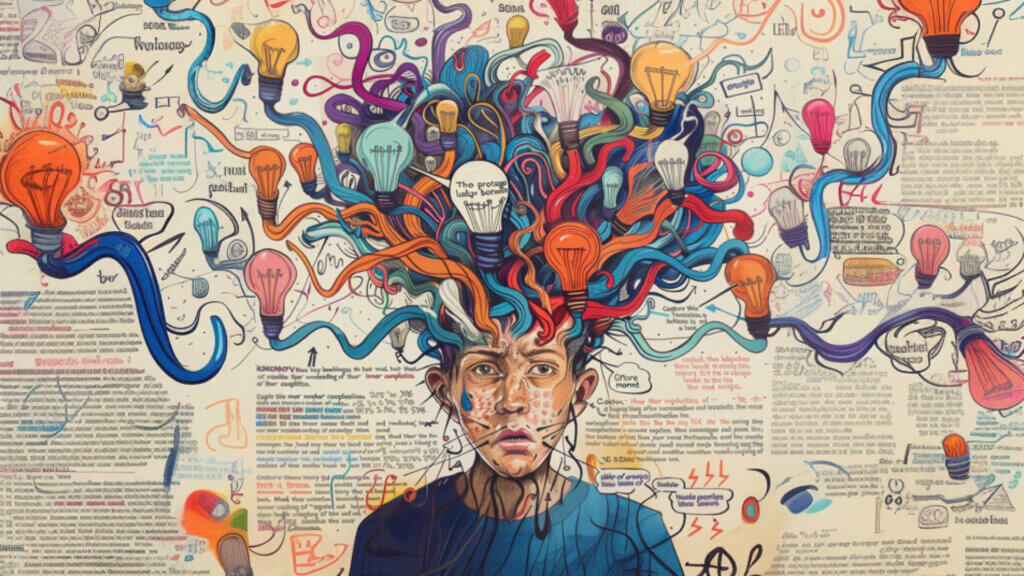
There is a quiet myth we rarely interrogate: the belief that clarity is a permanent state and that confusion is a sign of weakness. Yet the opposite is far truer. In a world defined by complexity, rapid change, and competing narratives, the person who is never confused is often the one who has stopped thinking.
To be confused is to be awake. It means you are paying attention to the contradictions, the tensions, the gaps, and the possibilities that others ignore. Confusion is not a crisis—it is the spark before illumination.
What if, instead of fearing confusion, we embraced it as a marker of progress?
Illiteracy and Ignorance: Not a Shame, but a Starting Point
Society has conditioned us to see illiteracy and ignorance as permanent defects. But the truth is that every human development story—from personal growth to national transformation—begins with the admission of what we do not know.
Ignorance, when acknowledged, is something to celebrate.
It is fertile ground.
It is open space.
It is the page before the first sentence is written.
When individuals recognise their own knowledge gaps, they create the emotional and intellectual room necessary for unlearning, re-learning, and new learning. This cycle is the foundation of innovation. It is how societies reinvent themselves. It is how nations become industrial powerhouses. And it is how communities build shared meaning.
A Shared Future Demands Shared Understanding
The future we want—whether as Africans, South Africans, or global citizens—will not be secured by the loudest voices or the most confident opinions. It will be secured by the courage of individuals who are willing to say:
“I do not know. But I want to understand.”
This simple admission opens the door to dialogue, not division; to inquiry, not ideology. It fosters humility, the rarest currency in an era where everyone wants to be right and few want to be transformed.
A collective future requires collective comprehension.
Shared prosperity requires shared literacy.
And shared understanding begins with people who are brave enough to confront their own uncertainty.
Confusion as a Collective Asset
When people acknowledge their confusion, they stop pretending. They start listening. They begin asking better questions. And societies that ask better questions build better systems.
Confusion forces us to look again, to consider alternative explanations, to interrogate what we think we know. It is in this discomfort that breakthroughs are born.
If the world seems confusing, it is not because we have lost our way—it is because we are finally engaging honestly with its complexity.
The Future Belongs to the Curious
We must build a culture where confusion is normalised and where ignorance is not ridiculed but redirected. A society that punishes people for not knowing closes the door to learning. But one that celebrates curiosity lays the groundwork for collective brilliance.
To secure the future we desire—industrialised, prosperous, inclusive—we need millions of people who are willing to confront their blind spots, embrace confusion, and step boldly into learning.
The future does not belong to those who claim to know everything.
It belongs to those who are willing to know more than they did yesterday.
And so, if you are confused, take heart:
It means you are paying attention.
It means you are growing.
It means you are exactly where transformation begins.



