April 8, 2025 – Zimbabwe is at the epicenter of a rapidly unfolding political crisis that is reverberating across Southern Africa, spotlighting critical issues of governance, economic policy, and regional stability. Drawing from the ten most recent headlines under News & Politics of Zimbabwe as of today, this round-up highlights the key events driving these dynamics, their regional implications, and the urgent developments demanding attention.
Political Instability Grips Zimbabwe
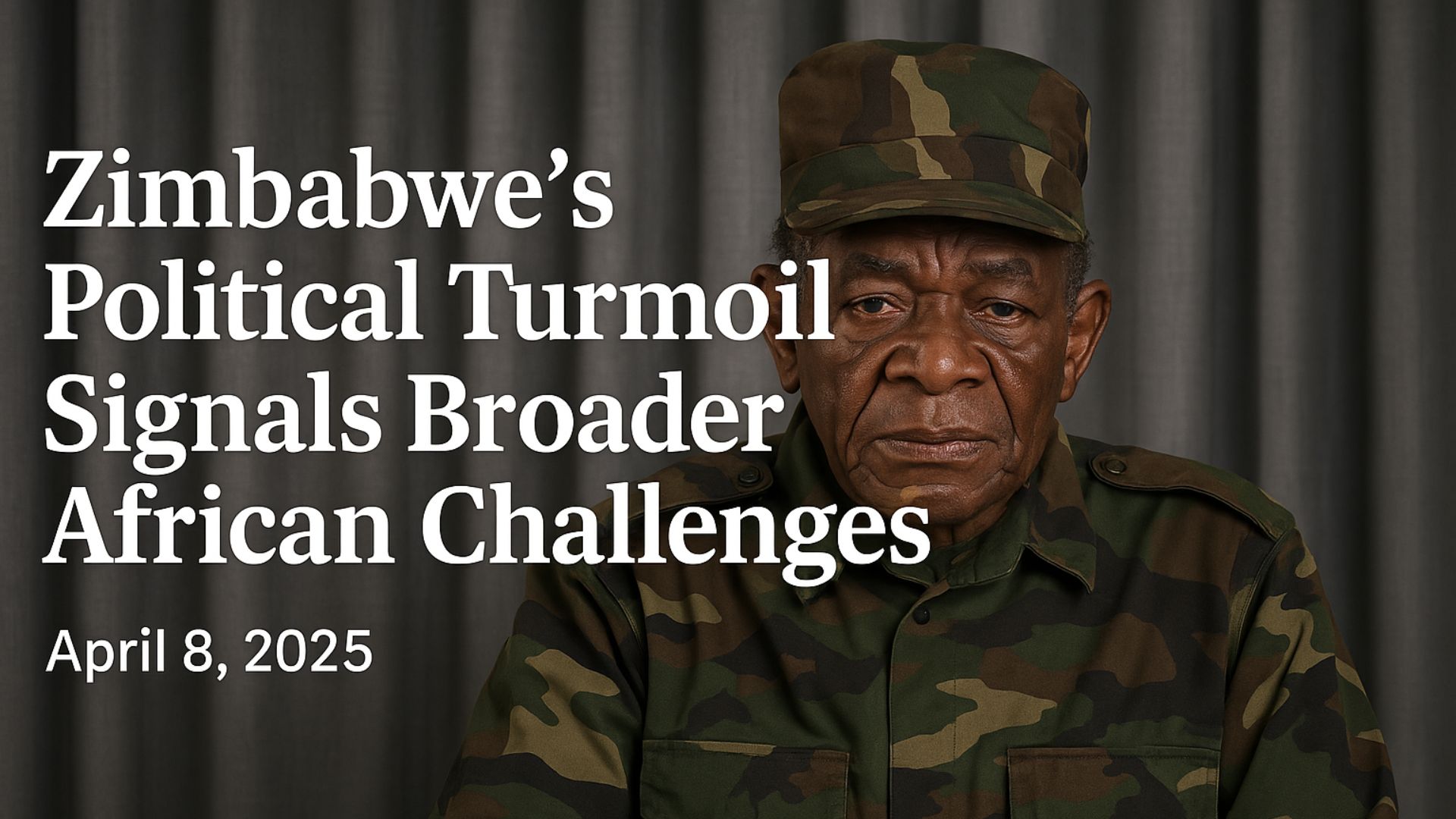
Zimbabwe’s ruling ZANU-PF party is fracturing under internal dissent, with President Emmerson Mnangagwa facing unprecedented pressure to resign. On March 31, 2025, war veterans and a rival faction within ZANU-PF, reportedly led by figures like Blessed Geza, orchestrated a national shutdown, closing schools and businesses in protest against Mnangagwa’s bid to extend his presidency beyond the constitutional two-term limit ending in 2028. Despite a heavy police presence neutralizing mass demonstrations, with 95 arrests reported in Harare, the stay-away signaled deep public discontent. Analysts warn that this infighting could escalate into civil war, posing a “national and regional security threat,” as noted by Blessing Vava of the Crisis in Zimbabwe Coalition.
The power struggle has intensified speculation about Vice President Constantino Chiwenga as a potential successor, though he remains silent amid government denials of a rift. Meanwhile, Mnangagwa’s allies have branded dissenters “treasonous,” expelling figures like Geza from the party. This unrest underscores a broader African trend: aging leaders clinging to power despite constitutional limits, a pattern seen from Uganda to Cameroon, often sparking instability.
Economic Collapse Fuels the Fire
Zimbabwe’s economic woes—95% unemployment, hyperinflation, and severe drought-induced food insecurity—are amplifying political tensions. The country’s inability to stabilize its currency or attract foreign investment, worsened by this political risk, threatens to deepen its humanitarian crisis. The Southern African Development Community (SADC), chaired by Mnangagwa, estimates Zimbabwe has lost over $100 billion in international support since 2001 due to sanctions and mismanagement. This economic paralysis not only undermines governance at home but also strains neighboring economies like South Africa, which faces potential refugee inflows and trade disruptions if Zimbabwe’s instability worsens.
A Surprising Pivot on U.S. Relations
In a dramatic policy shift, Mnangagwa announced on April 6, 2025, that Zimbabwe would suspend tariffs on all U.S. imports, a move framed as a goodwill gesture to reset ties with the incoming Trump administration. This comes days after Trump imposed an 18% tariff on Zimbabwean exports, part of a broader U.S. tariff sweep targeting dozens of countries. Critics, including journalist Hopewell Chin’ono, see this as an attempt to appease Trump and lift personal sanctions on Mnangagwa, though analysts like Tendai Mbanje argue it offers little economic benefit to Zimbabwe while favoring U.S. interests. The unilateral decision has drawn ire from SADC peers like Lesotho, hit with a 50% U.S. tariff and now seeking a collective regional response, highlighting tensions over coordinated African policy-making.
Regional Impacts and Governance Trends
Zimbabwe’s turmoil is a microcosm of broader African governance challenges. The push for Mnangagwa’s ouster reflects growing citizen fatigue with corrupt elites, a sentiment echoing in nations like Kenya and Nigeria, where youth-led protests have challenged entrenched power. Yet, the military’s potential role in deciding Zimbabwe’s leadership outcome—reminiscent of its 2017 coup against Robert Mugabe—points to a persistent trend of militarized politics across the continent, from Sudan to Mali.
South Africa, Zimbabwe’s largest trading partner, braces for fallout. Political instability could disrupt the $111.6 million trade relationship (2024 figures) and exacerbate Pretoria’s own economic pressures, already strained by Trump’s attacks on its land reform efforts. Meanwhile, the SADC’s fractured response to U.S. tariffs underscores the difficulty of forging a unified African front against external economic pressures, a critical weakness as global trade wars intensify.
Breaking Developments Demand Attention
Two urgent developments stand out. First, the risk of military intervention looms large, with security forces reportedly divided and the army possibly opposing Mnangagwa’s maneuvers to sideline Chiwenga and others. This could plunge Zimbabwe into chaos, with ripple effects destabilizing the region. Second, Mnangagwa’s tariff suspension signals a desperate bid to secure international favor, but it risks alienating SADC allies and exposing Zimbabwe to economic exploitation, demanding swift diplomatic attention from African leaders.
Zimbabwe’s crisis is a stark reminder of the interconnected challenges facing African politics today: governance failures, economic fragility, and external pressures. As Mnangagwa’s regime teeters, the region watches anxiously, aware that the outcome—whether peaceful transition or violent upheaval—will shape Southern Africa’s political and economic landscape for years to come. Urgent action, from both Zimbabwean stakeholders and regional bodies, is needed to avert a broader catastrophe.