





Opinion
When the Tariff Bites: What South Africa Must Learn from America’s 30% Message

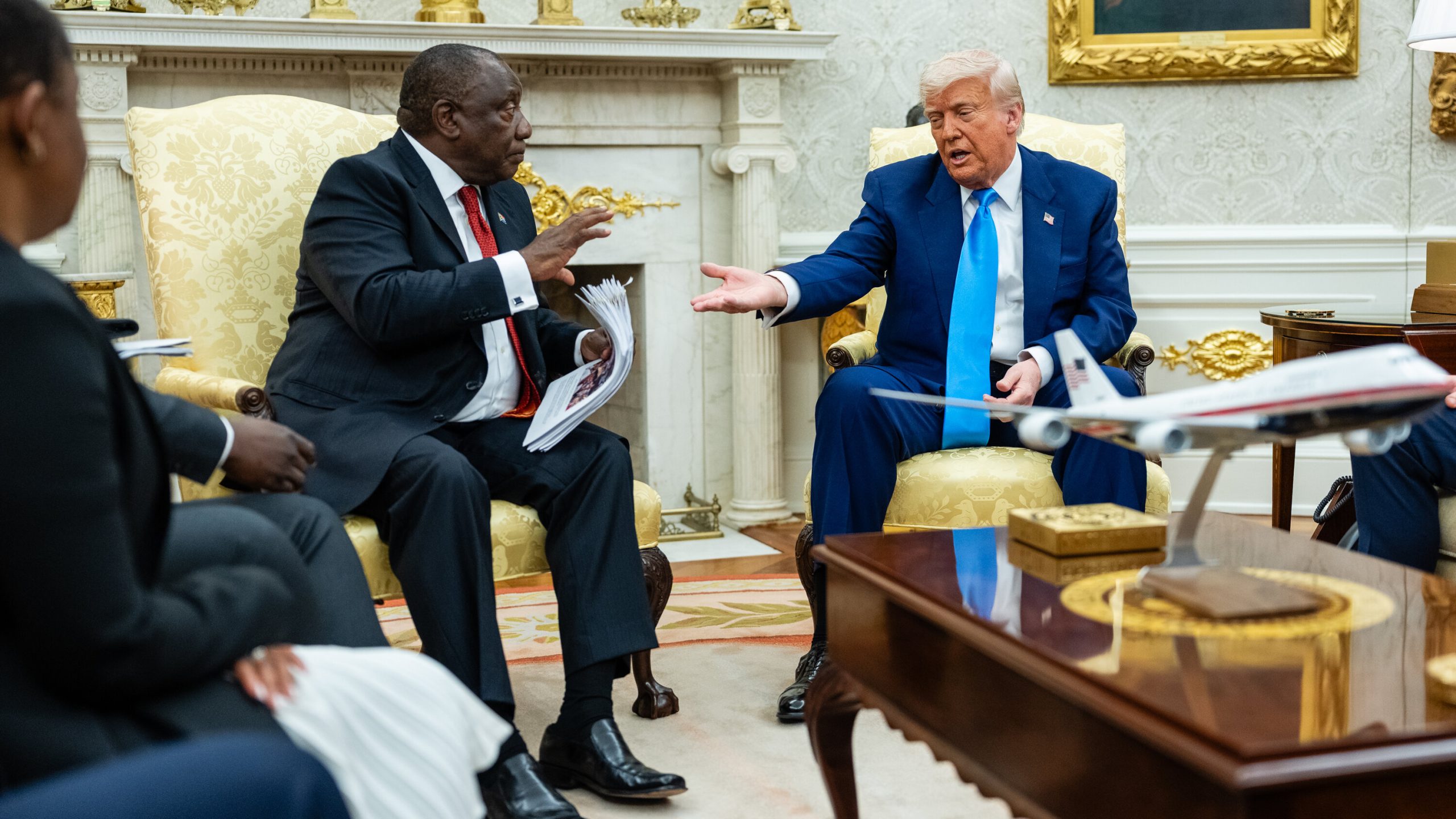
The news of a 30% tariff imposed by the Trump administration on South African imports has understandably sent ripples across the country’s economic and political landscape. For manufacturers, producers, and service providers, it’s more than just a line on a customs invoice, it’s a direct hit to livelihoods, to planning, and to the fragile bridges we’ve tried to build with the world’s largest economy.
But this is not the time to panic. It is the time to think, and think boldly.
South Africa has long enjoyed a mutually beneficial trade relationship with the United States—thanks in part to instruments like AGOA. Our citrus fruits, wines, platinum, and auto parts have found steady demand in the U.S. market, while American capital has helped shape sectors of our economy and even inspired waves of tech entrepreneurship. But what this tariff reminds us is that trade, even among “friendly” nations, is political. It is conditional. And it is often leveraged as a tool of ideology, not logic.
So, what does a 30% tariff really mean for us?
First, it means our products just got more expensive for the average American consumer. That’s bad news for South African exporters. It may lead to reduced orders, job losses, and a decline in foreign earnings. For the citizen, it could mean higher unemployment, especially in rural farming towns or industrial zones reliant on export contracts. For the economy, it tightens the noose around an already pressured rand, and sows seeds of instability in an election season where economic justice is at the centre of national debate.
But beyond the surface, the real cost is something else: vulnerability.
South Africa is too dependent on the goodwill of a few major trading partners. And while the U.S. may have its reasons, some geopolitical, some domestic, and it is now up to us to decide whether to play defence or offence.
The answer, I believe, lies in a blend of economic pragmatism and strategic imagination.
We must diversify, not only our markets but our mindset. China is not the only alternative. Neither is the EU. Africa itself holds untapped potential. The African Continental Free Trade Area (AfCFTA) is not just a pan-African ideal; it must be our new economic frontier. Intra-African trade remains painfully low. Let’s change that.
At the same time, we must not abandon our relationship with America. In fact, our upcoming G20 Presidency gives us a rare moment to take the high ground. South Africa can use this platform to call for fairer global trade rules, to denounce weaponized tariffs that hurt developing nations, and to propose a new trade compact that protects the voices of the Global South. We must be more than participants, we must be architects.
And here’s where cultural diplomacy becomes a critical tool. In a world increasingly driven by identity, emotion, and perception, culture is power. Let us send our artists, our thinkers, our young entrepreneurs, our inventors, to tell a different story of South Africa. Let us organize innovation exchanges, cultural festivals, and youth forums between South African and American cities. Trade may falter, but shared humanity endures.
This moment is not just about tariffs. It is about trust. It is about whether we remain reactive, or choose to lead. And if we are wise, this economic jolt may well become the start of our economic awakening, a call to resilience, to dignity, and to vision.
Because the world is watching. And so are our people.



