




Opinion
South Africa’s automotive sector: overcoming tariff pressures with innovation and competitiveness

By Saul Molobi
In 2025, South Africa’s automotive industry faces a tough road ahead. New U.S. tariffs have significantly reduced vehicle exports, threatening the livelihoods of thousands of people who depend on this vital sector. But the South African automotive industry is proving its resilience. Instead of backing down, it’s embracing innovation, diversifying export markets, and tapping into government support to remain competitive in the global arena.
The toll of U.S. tariffs
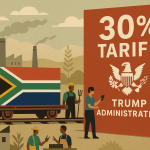
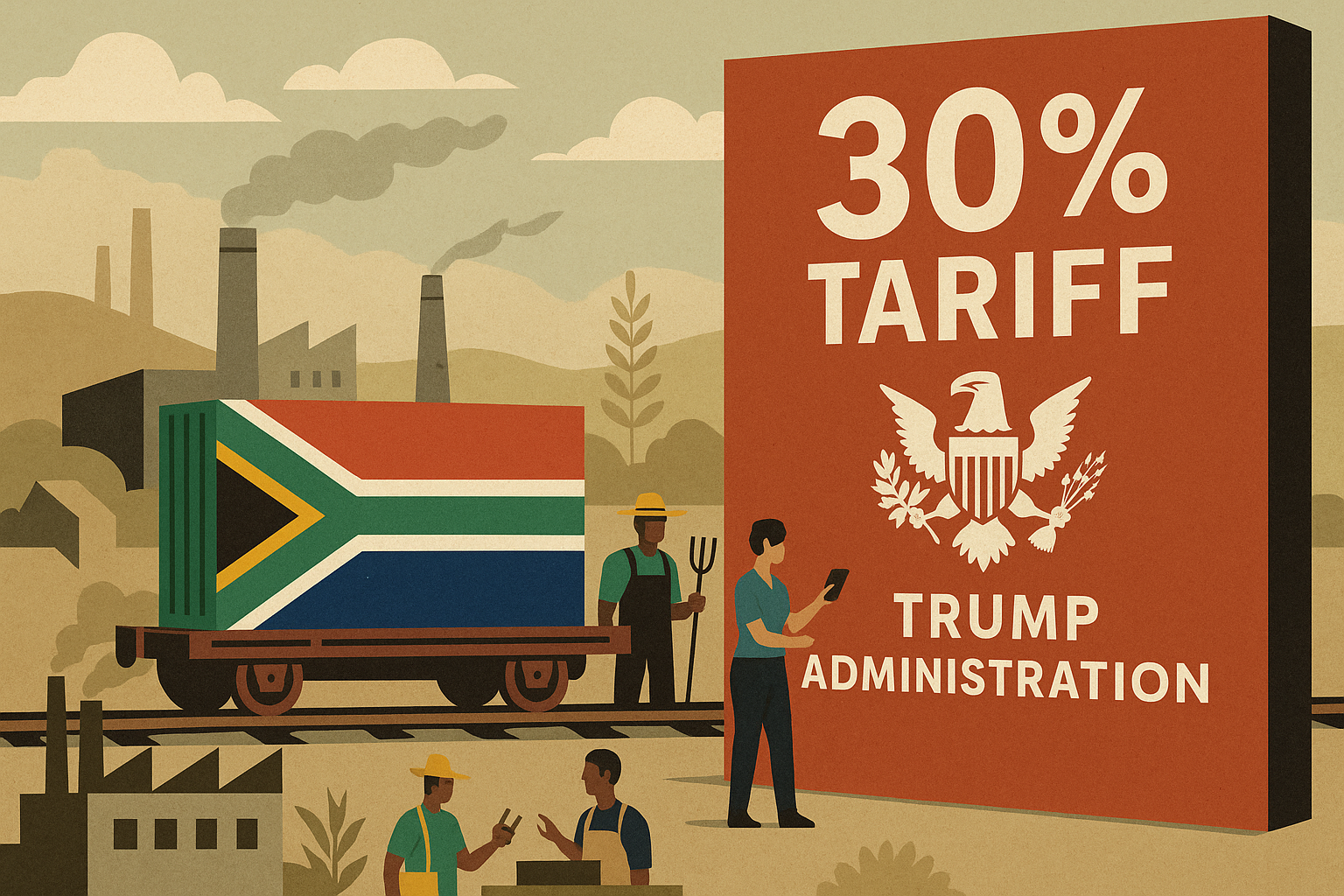
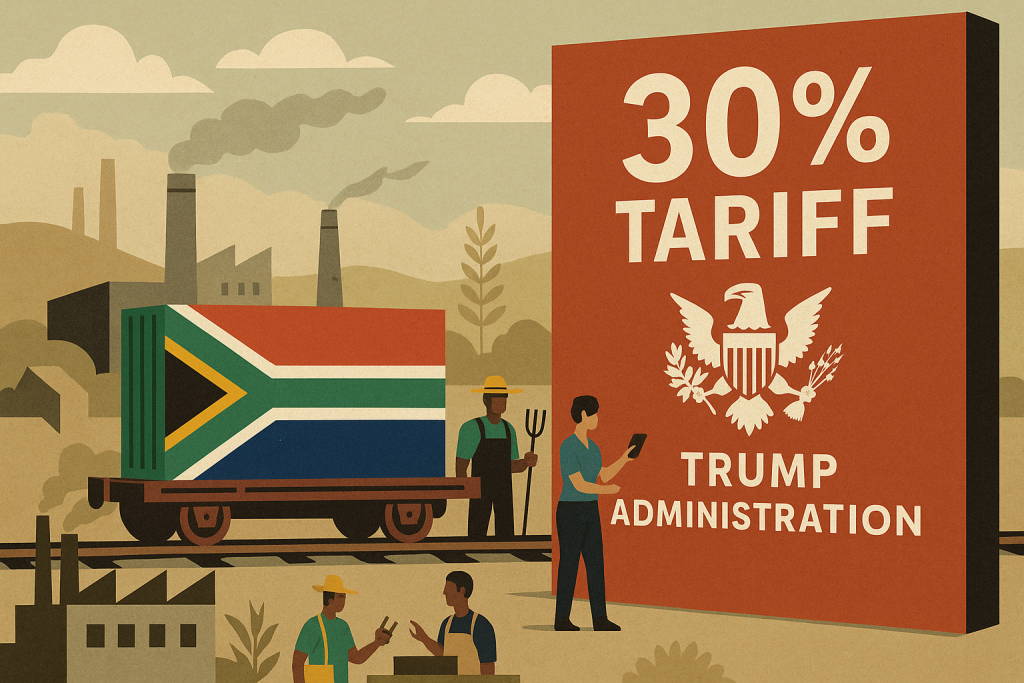
For many years, South Africa’s automotive sector has enjoyed access to the U.S. market through the African Growth and Opportunity Act (AGOA), which allowed vehicles to be exported duty-free. But in 2025, things changed. The U.S. introduced new tariffs, and exports to this key market have fallen off a cliff. In the first quarter of 2025 alone, vehicle exports to the U.S. dropped by 73%. The situation worsened in April and May, with a staggering 80% decline.
The new 30% tariff, effective from August 2025, makes the outlook even bleaker. For communities like East London, where the automotive industry is the heart of the economy, this is more than just a trade issue; it is an impending social and economic crisis. These tariffs threaten not only the survival of local automotive plants but also the jobs of thousands of South Africans whose livelihoods are intertwined with the industry.
The power of innovation and local manufacturing
In the face of these challenges, South Africa’s automotive sector is refusing to stand still. Instead, local manufacturers are doubling down on innovation. By embracing new technologies and improving production methods, they are strengthening their competitiveness in a world that’s rapidly shifting toward sustainable mobility.
Take BMW, for instance. The company has launched its BMW X3 Plug-in Hybrid, produced locally in South Africa, marking a significant leap toward green mobility. This is just one example of how South Africa’s automotive giants are aligning with global trends — shifting towards cleaner, more energy-efficient vehicles to meet growing international demand for sustainable transport solutions.
South Africa’s vast mineral reserves, including critical elements needed for electric vehicle (EV) battery production, also put the country in a unique position. The government is already providing incentives to boost local manufacturing of EV components and battery cells, which will help make South Africa a key player in the global EV supply chain.
Diversifying export markets
While the U.S. has been a major destination for South African vehicles, the country is now looking further afield to secure its future. With tariffs taking a toll on the U.S. market, South African manufacturers are focusing on expanding into new markets. The Southern African Development Community (SADC) region, for example, is showing increasing demand for vehicles, making it an important focus for South Africa’s automotive sector.
The Tshwane Automotive Special Economic Zone (TASEZ) is a testament to South Africa’s commitment to diversifying its export base. Located in Silverton, Tshwane, the zone is a hub of investment, bringing together global automakers, local suppliers, and smaller businesses. TASEZ’s focus on building local production capacity, creating jobs, and boosting small businesses is critical to reducing South Africa’s reliance on any single market.
Government support and investment opportunities
South Africa’s government has been a key ally in this journey. Through initiatives like the Automotive Production and Development Programme (APDP), the government has provided much-needed stability and incentives for both local and foreign investment. These efforts ensure that South Africa’s automotive sector remains an attractive destination for businesses looking to manufacture vehicles for both local and international markets.
Gqeberha, (formerly known as Port Elizabeth) , home to major automotive manufacturing plants Mercedes-Benz and Volkswagen, is poised to benefit from these shifts. These plants play a vital role in both local employment and the broader South African supply chain. As the country leans into green technologies and diversifies its exports, Gqeberha is well-positioned to attract more investment in traditional and electric vehicle manufacturing.
A call for global investment
Despite the challenges posed by the U.S. tariffs, South Africa’s automotive sector remains an exciting opportunity for global investors. The country has the infrastructure, a skilled workforce, and the determination to continue growing and evolving. As global demand shifts towards greener, more energy-efficient vehicles, South Africa is positioning itself as a key player in the production of electric vehicles and their components.
For investors, South Africa offers an opportunity to tap into both the emerging African market and the global push for sustainable mobility. With the government’s continued support and a commitment to innovation, South Africa’s automotive industry has the potential to lead the continent’s industrial future.
Importantly, while the South African automotive sector faces some tough times ahead due to the U.S. tariffs, it is far from down and out. By focusing on innovation, diversifying its markets, and leveraging government support, the industry is charting a new course toward a more sustainable and competitive future. This is a pivotal moment for global investors to take note of South Africa’s potential and help drive its journey toward a cleaner, more resilient automotive future.
Molobi is former head of Mission for South Africa in Milan, Italy. He is the non-executive director at the Global Council for the Promotion of International Trade and Chairman of Brandhill Africa.



