





Opinion
Women’s Month Through a Global Lens: Advancing Equality with the G20 at the Helm

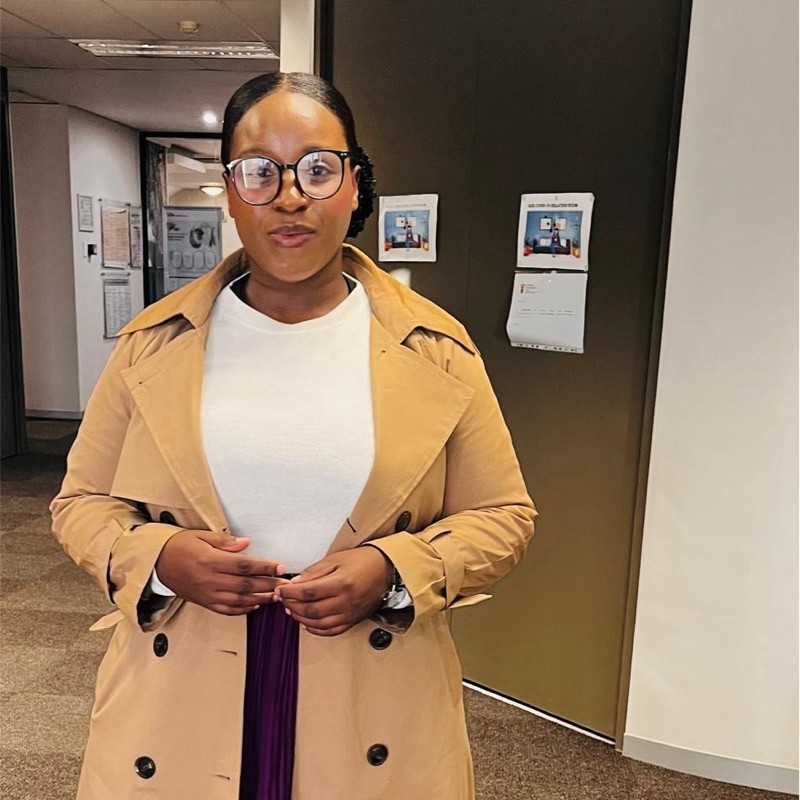
By Keneilwe Mashaba
As we mark Women’s Month in 2025, the world stands at a turning point. Gender equality is no longer a conversation held on the margins; it is central to global development and sustainability. Under South Africa’s historic G20 Presidency, themed “Solidarity, Equality, and Sustainability,” there is renewed momentum to champion the rights and representation of women worldwide. A positive shift is underway, and the G20 is proving to be a crucial platform for driving meaningful change.
Recently I attended the G20 side event on Women in Energy Transition hosted in Sun City served as a relevant reminder of the pressing need for inclusive, forward thinking energy strategies. Women are still disproportionately underrepresented particularly in technical and leadership positions.
Deputy Minister of Electricity, Samantha Graham‑Maré, captured this imperative when she said:“What we must do is make sure that our Integrated Resource Plan gets properly implemented and that we’re creating the pipeline of projects that will create the jobs. There’ll be a lot of focus on reskilling, upskilling, and new opportunities within the renewable sector that didn’t necessarily exist within the coal economy.
Her words reaffirm the need for structured investment, not just in infrastructure, but in people, particularly women and youth. The shift to renewables is more than a technical transition; it is a societal one that must redress past inequalities while building a sustainable, inclusive future.
Global Cooperation, Local Impact
G20 partnerships are enabling real change on the ground. Digital inclusion programs are equipping women in developing nations with the skills needed for tomorrow’s jobs. Financial inclusion strategies are expanding access to credit, especially for rural and informal sector women. Cross-border innovation hubs, mentorship platforms, and gender responsive budgeting are no longer abstract ideals, they are measurable, scalable actions.
Crucially, these outcomes prove a key point: when global leaders commit, global women advance.
Africa at the Forefront
South Africa’s G20 Presidency has added an important dimension to this progress, a distinctly African perspective. By bringing the challenges faced by women in the Global South to the center of the conversation, it is redefining the way international policy addresses gender.
There is now space for rural women, informal workers, and emerging youth voices to be part of the G20 discourse. This inclusive approach is helping shape a more equitable global recovery, one where no woman is left behind because of her geography, socio-economic status, or sector of work.
Sustaining the Momentum
While much work remains, Women’s Month 2025 offers a moment to reflect on how far we’ve come. The G20 is showing that multilateralism can work for women if guided by political will, accountability, and inclusion.
The true measure of the G20’s success will not be in declarations, but in lasting transformation. This Women’s Month let us celebrate the tangible gains while renewing our collective commitment to a world where equality is not an exception, but the norm. Let the legacy of this G20 year be one of inclusion, action, and unstoppable progress for women everywhere.



